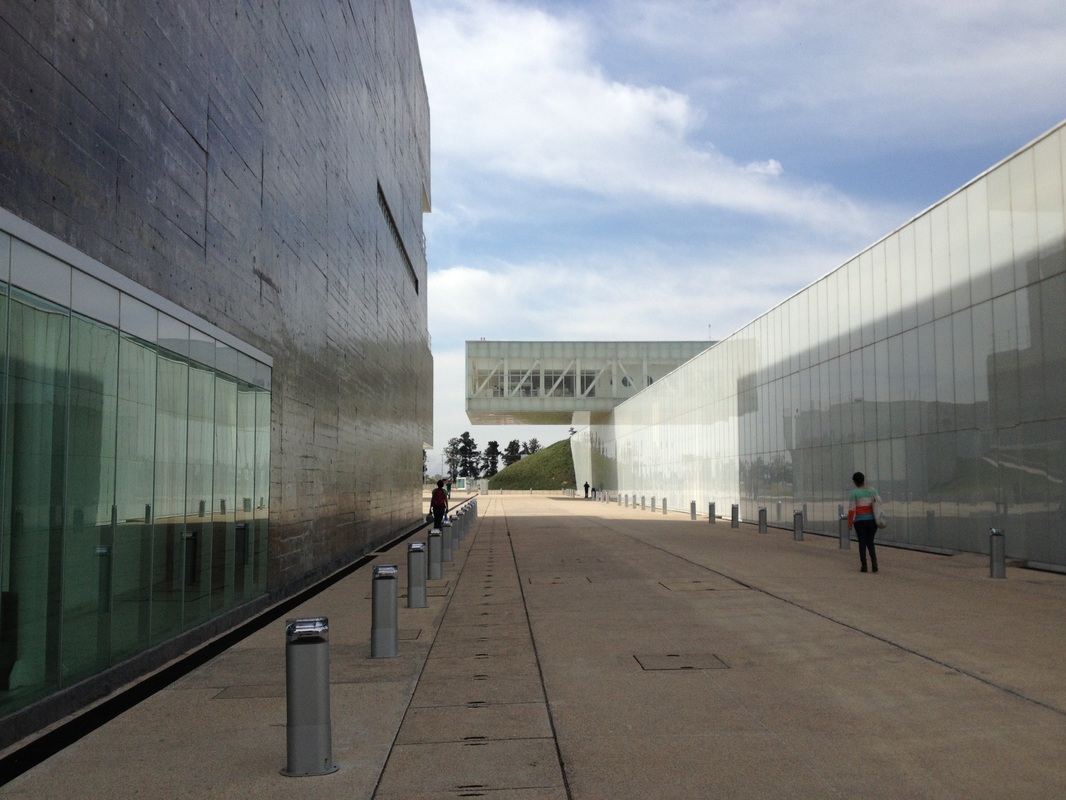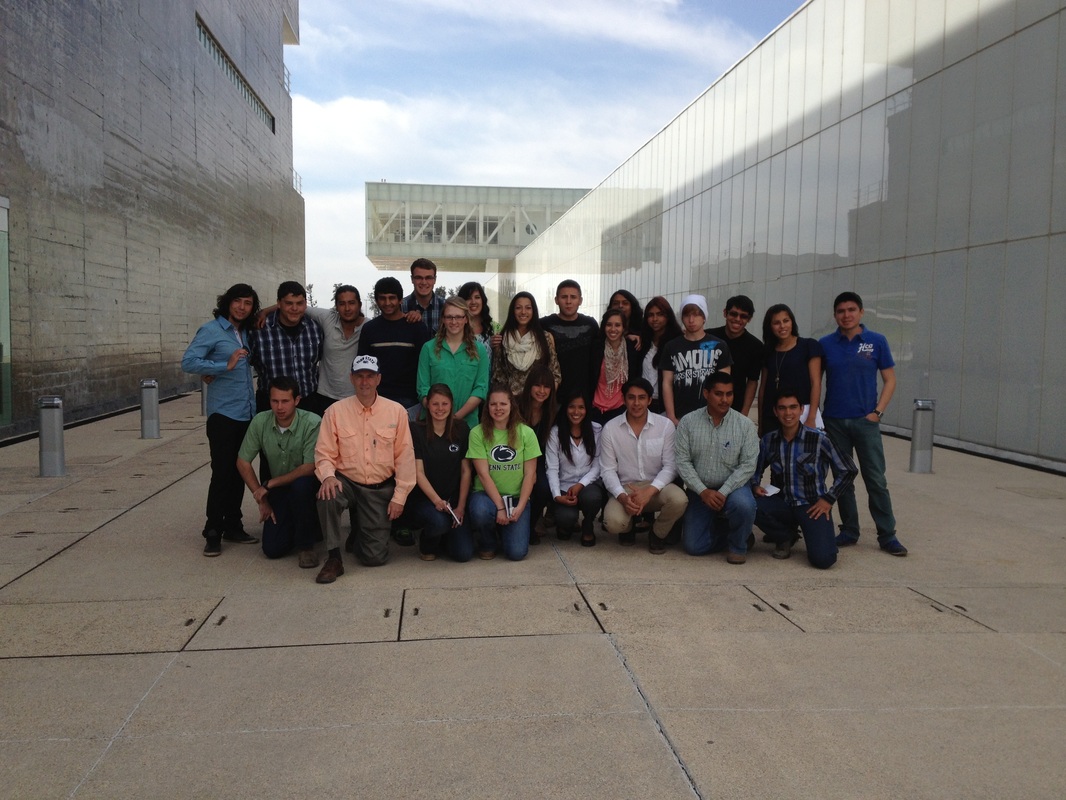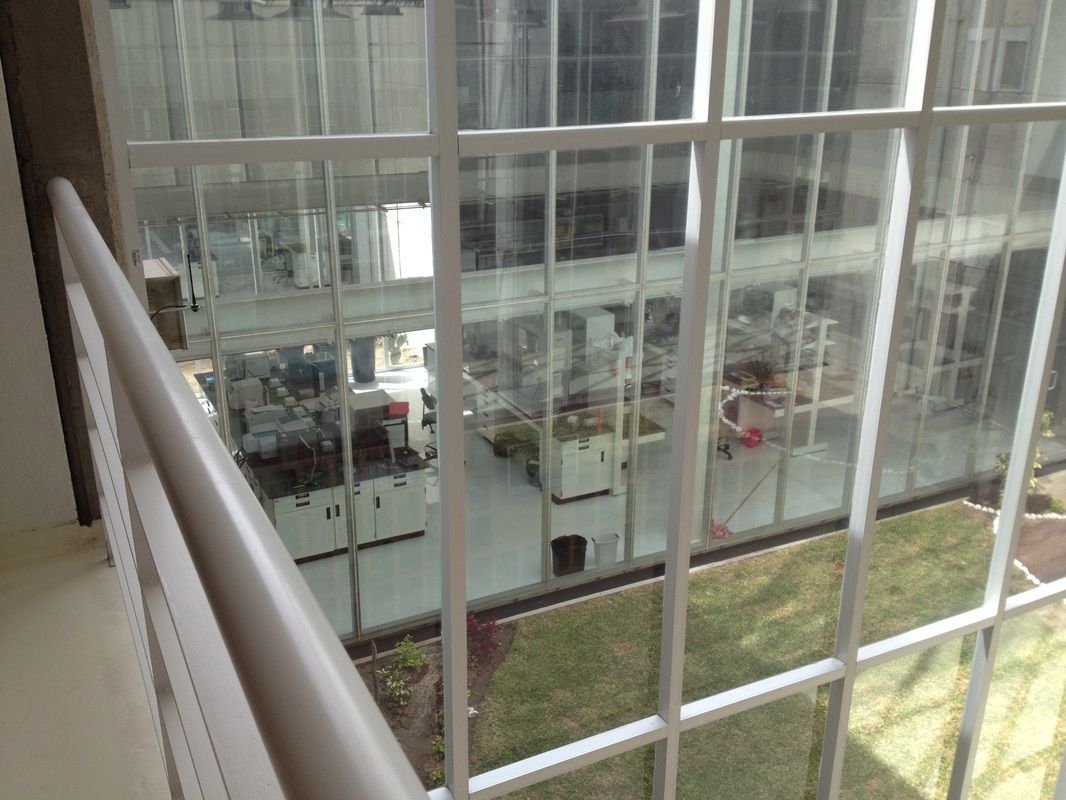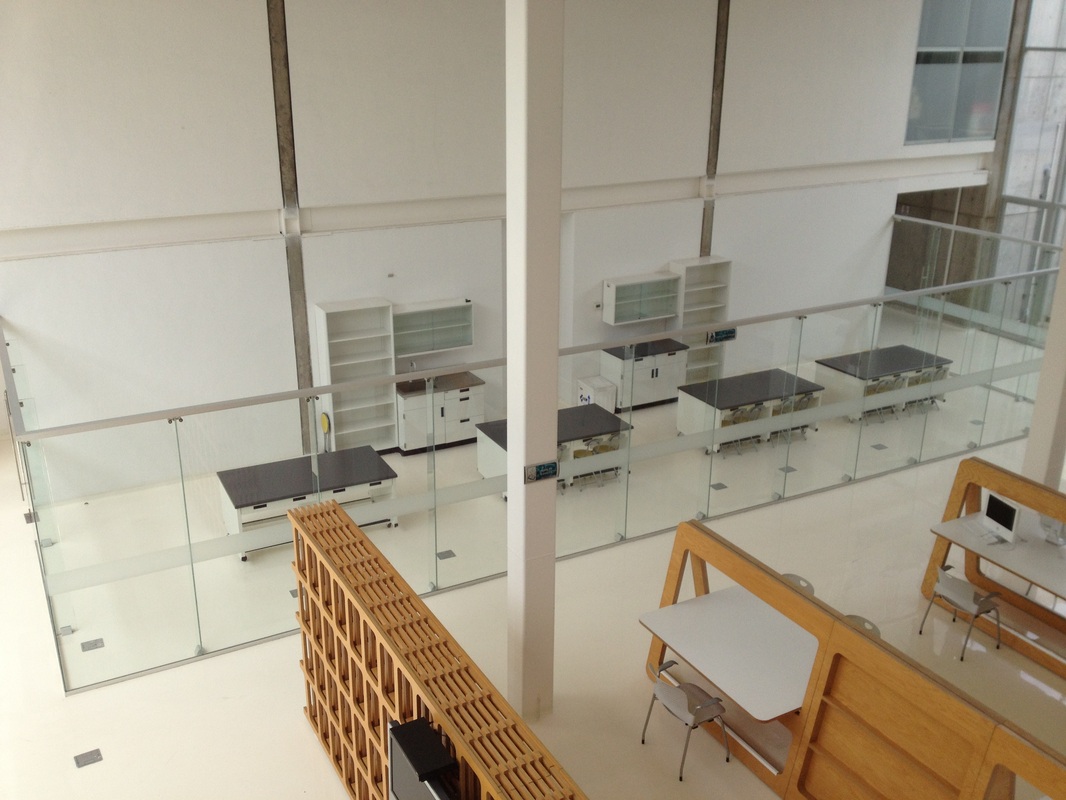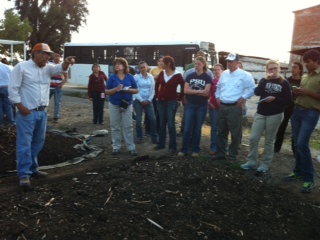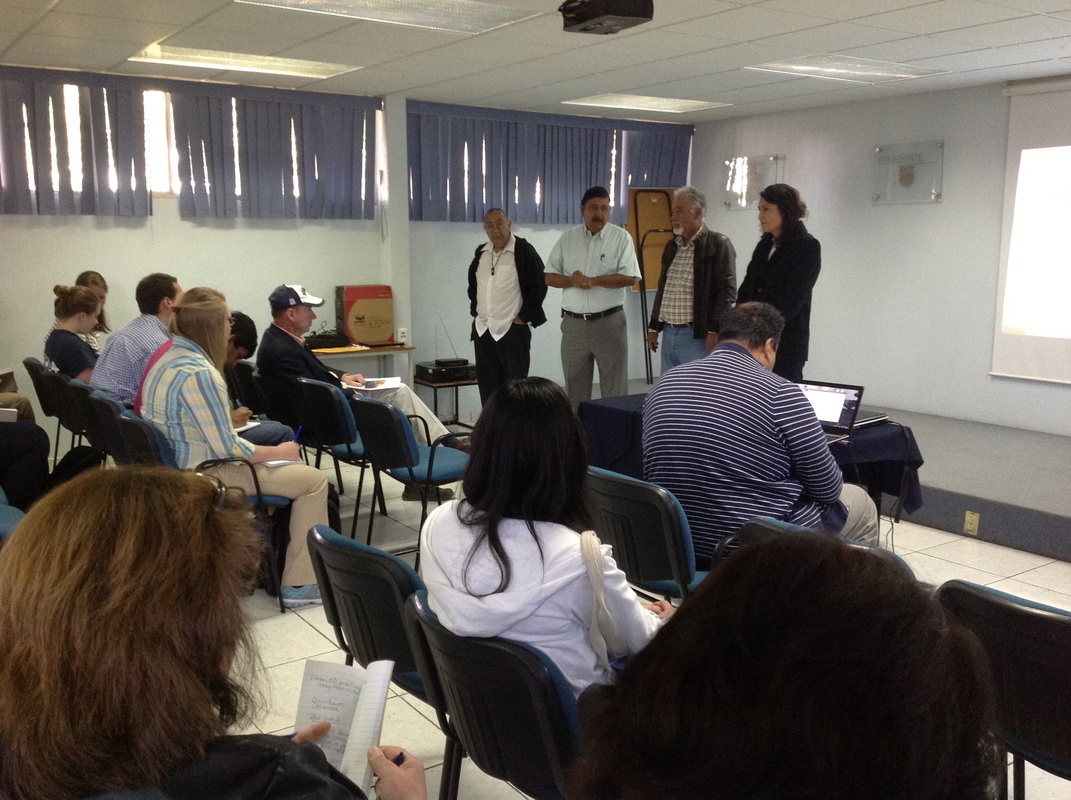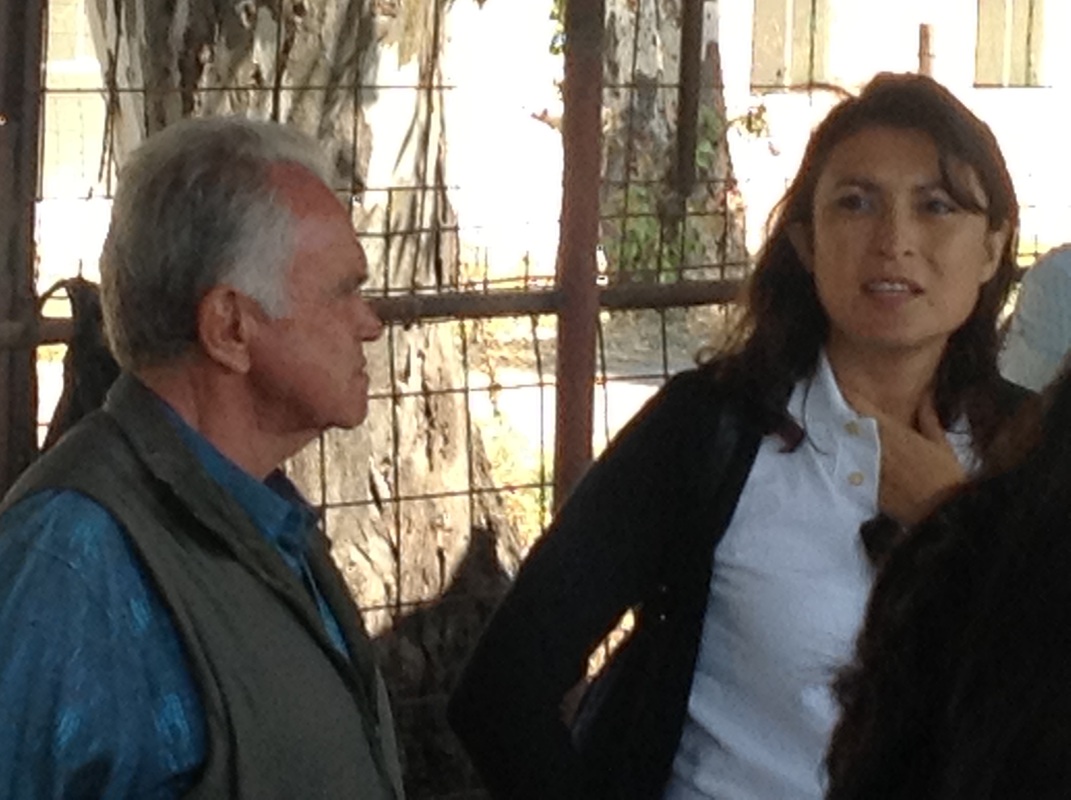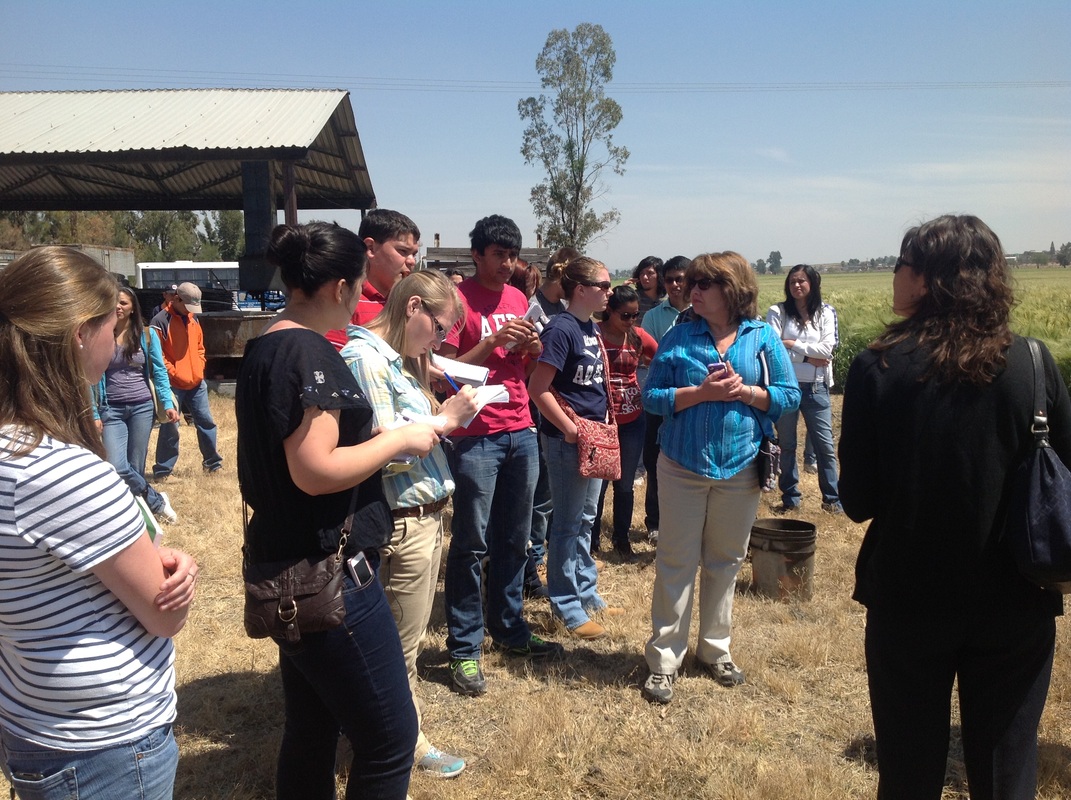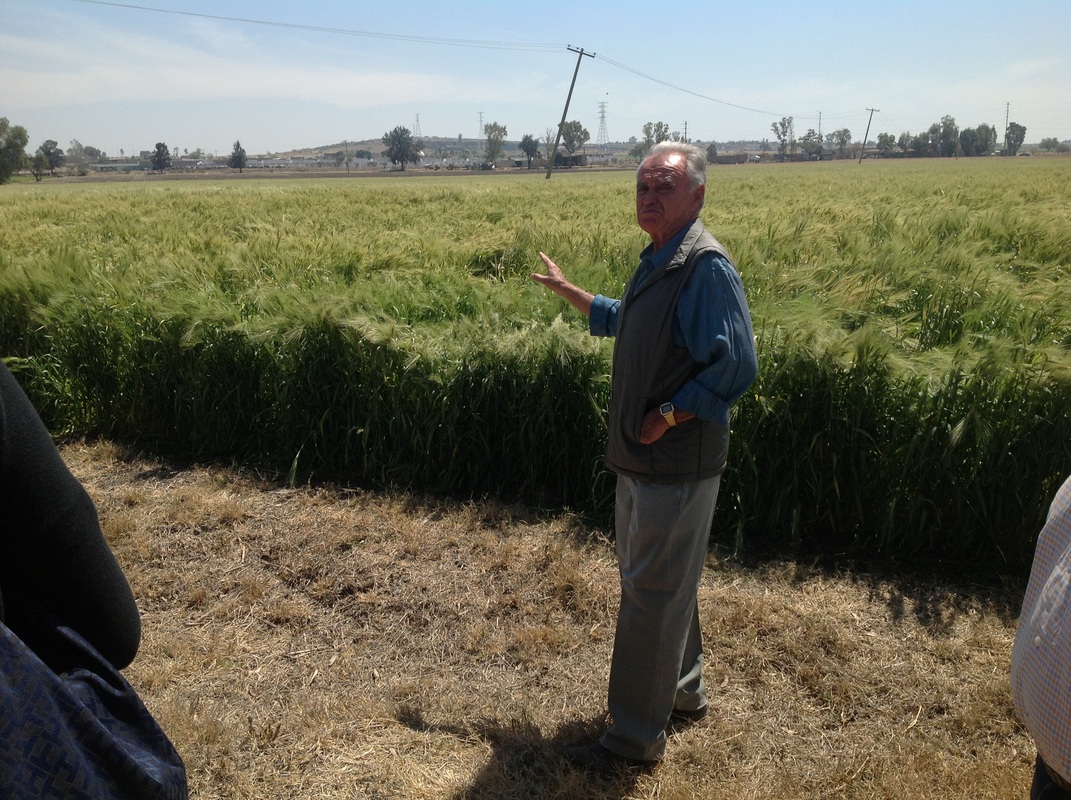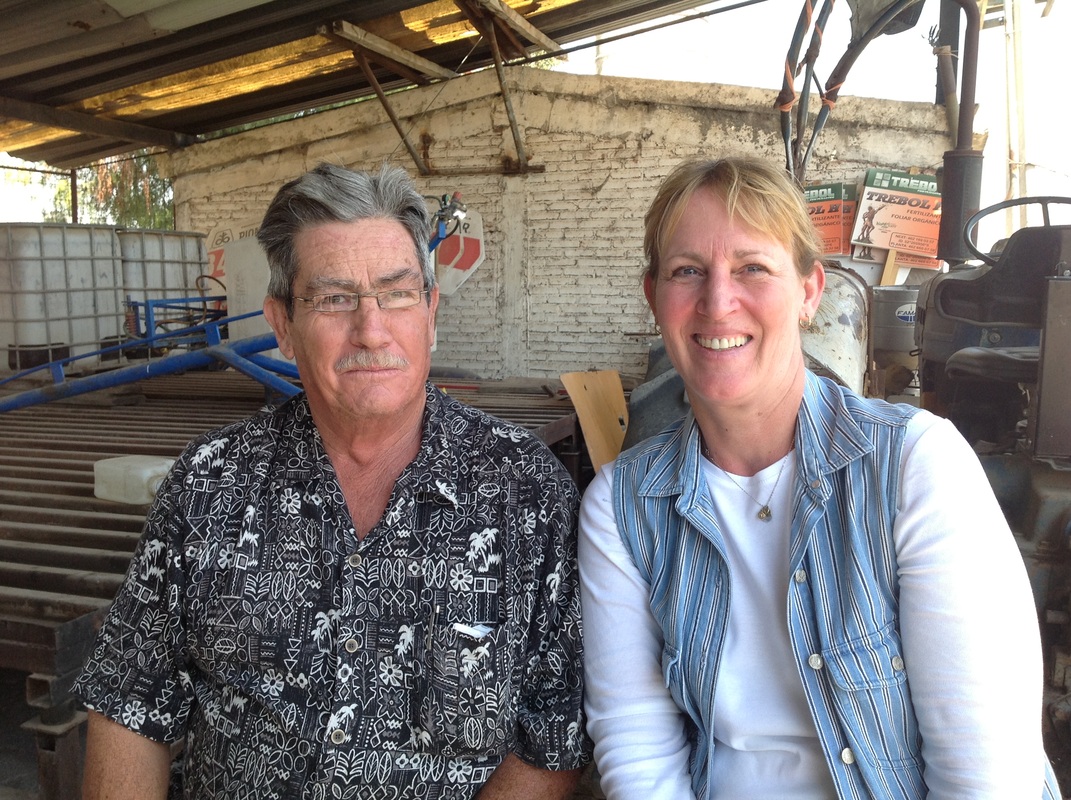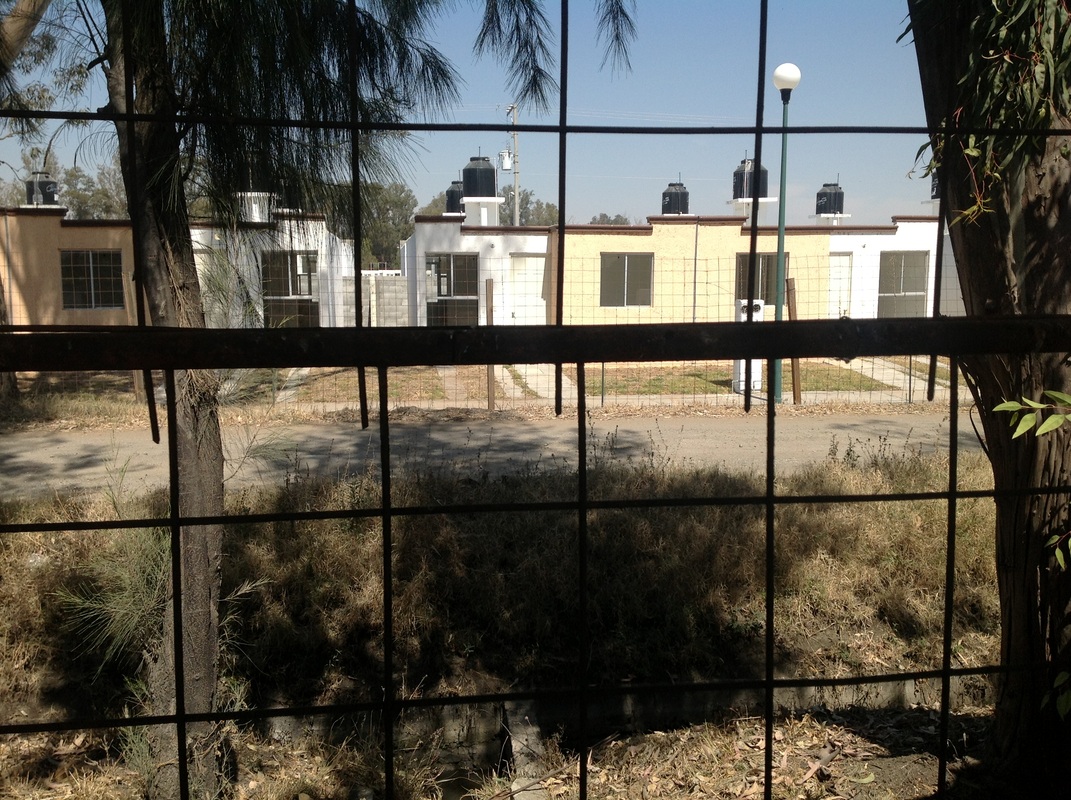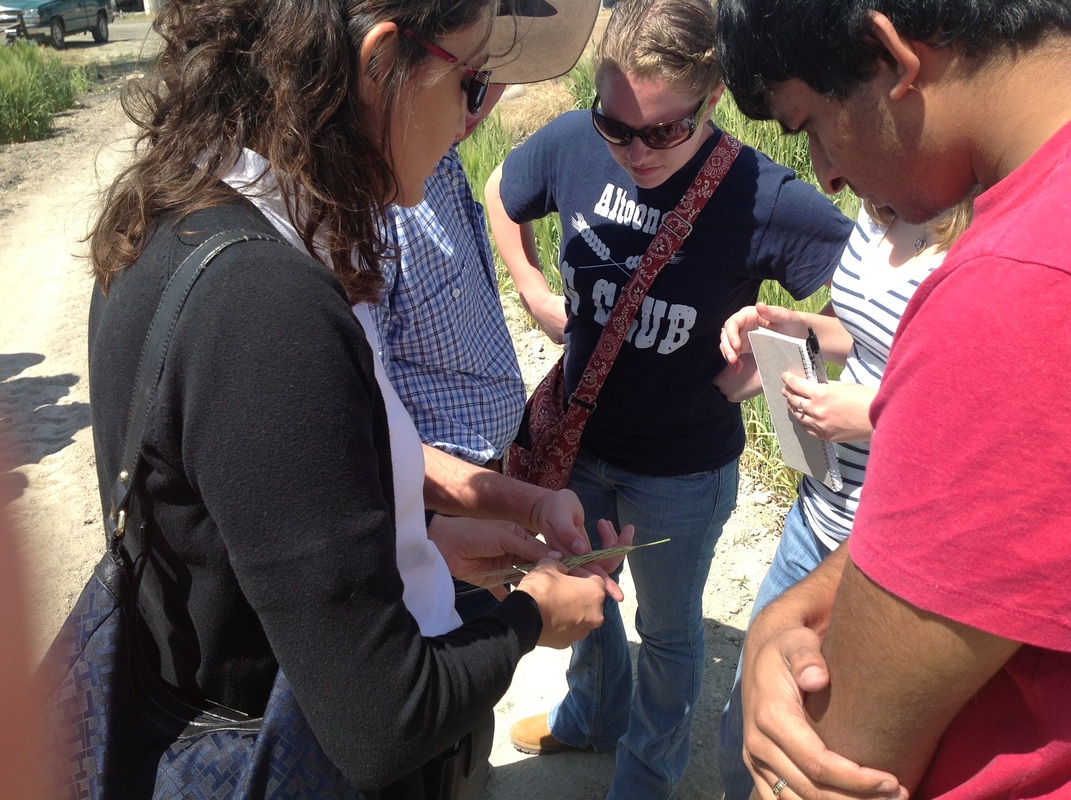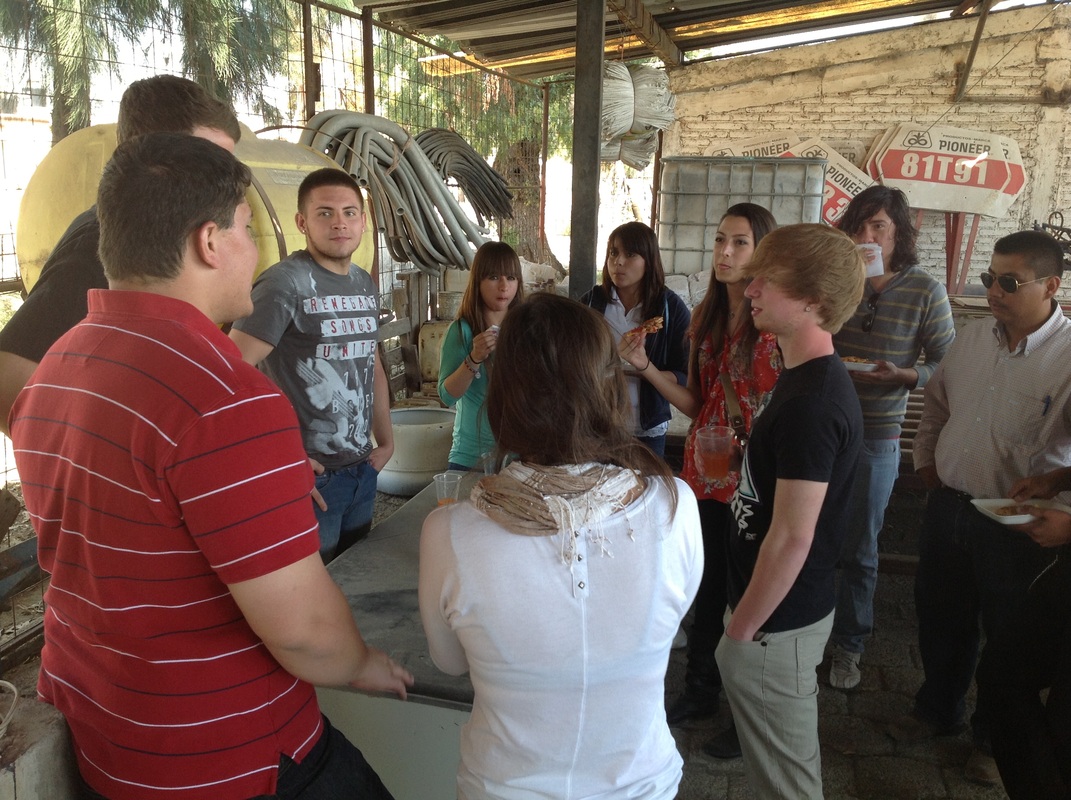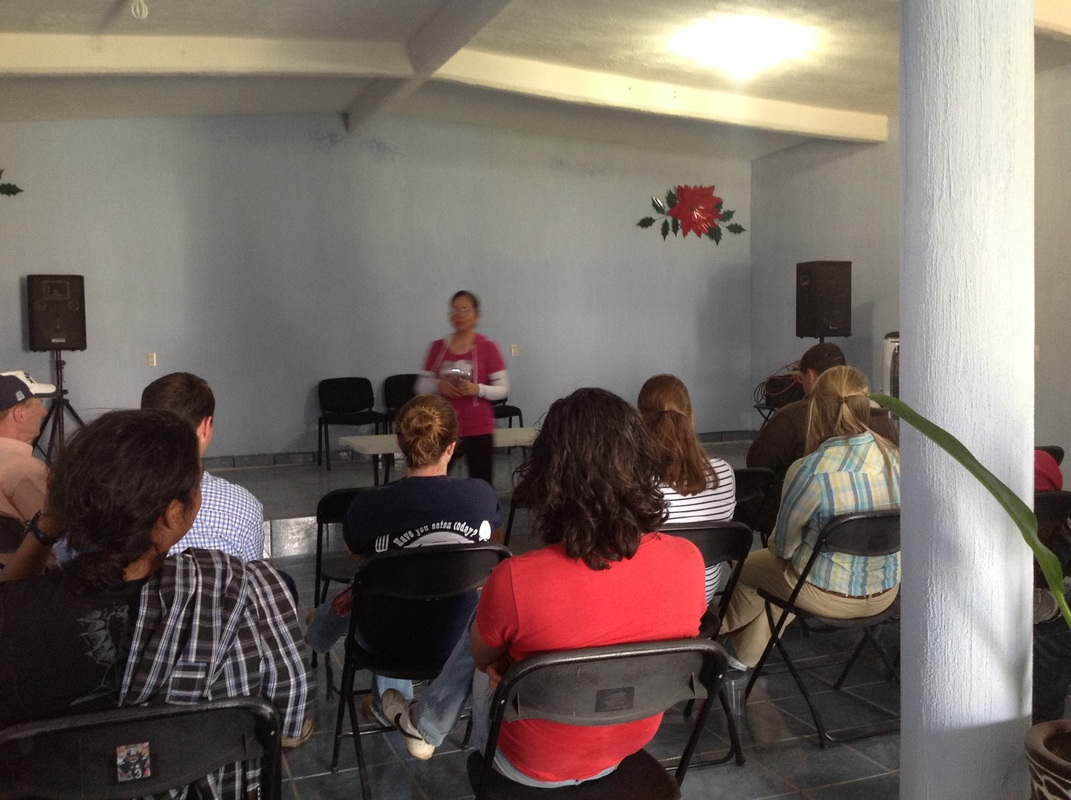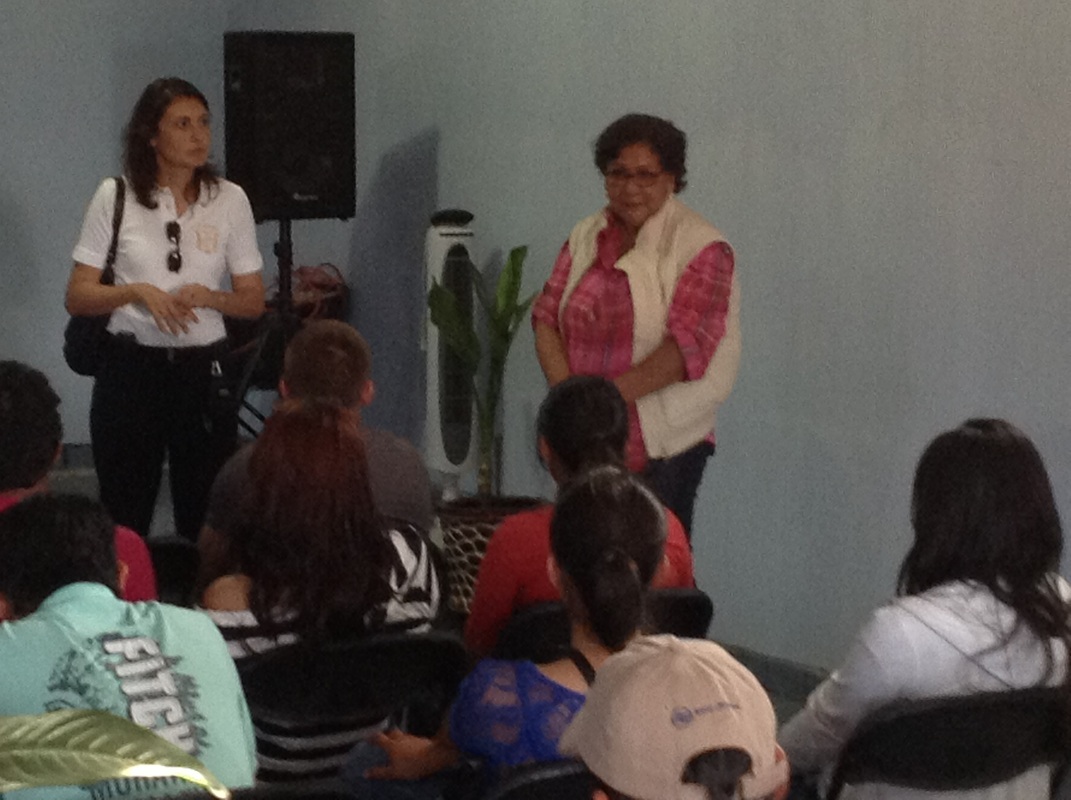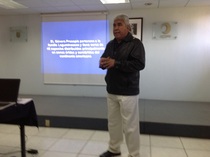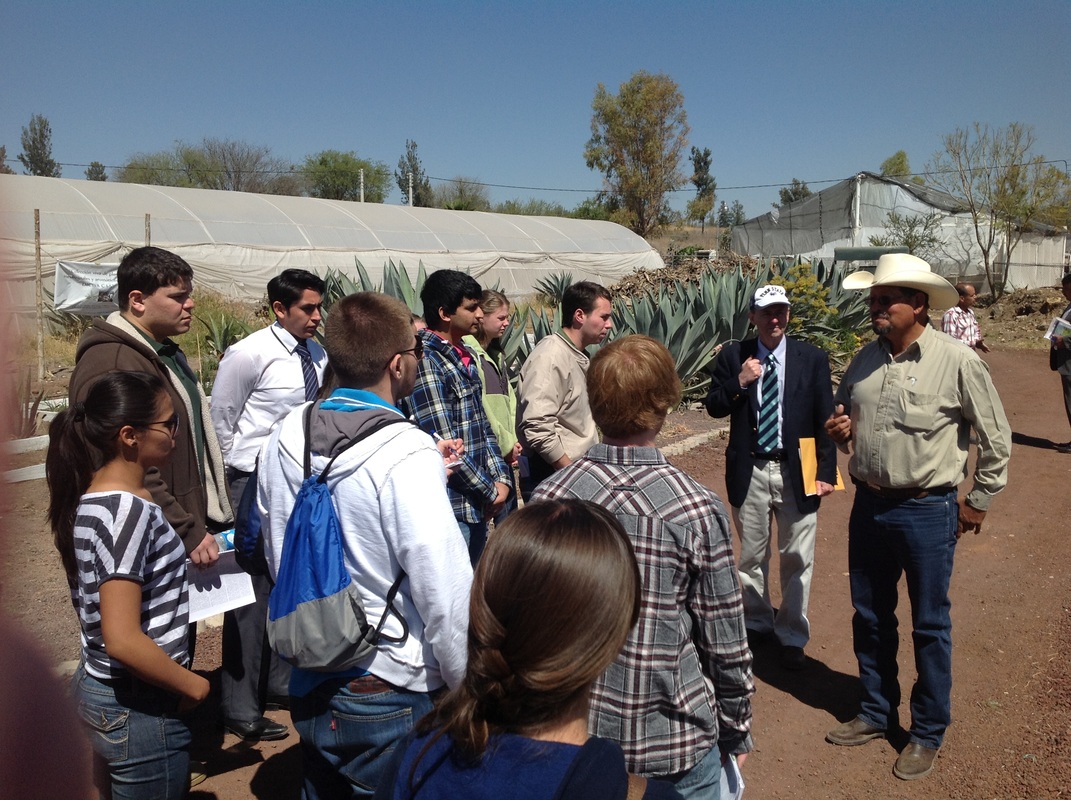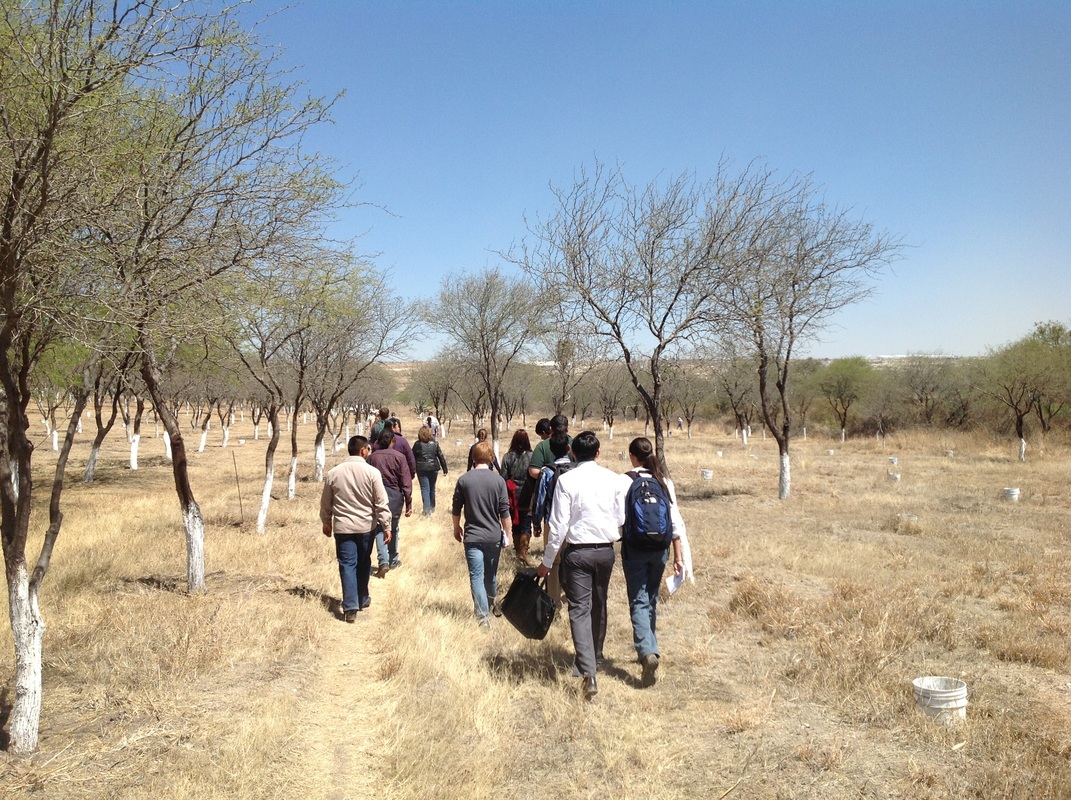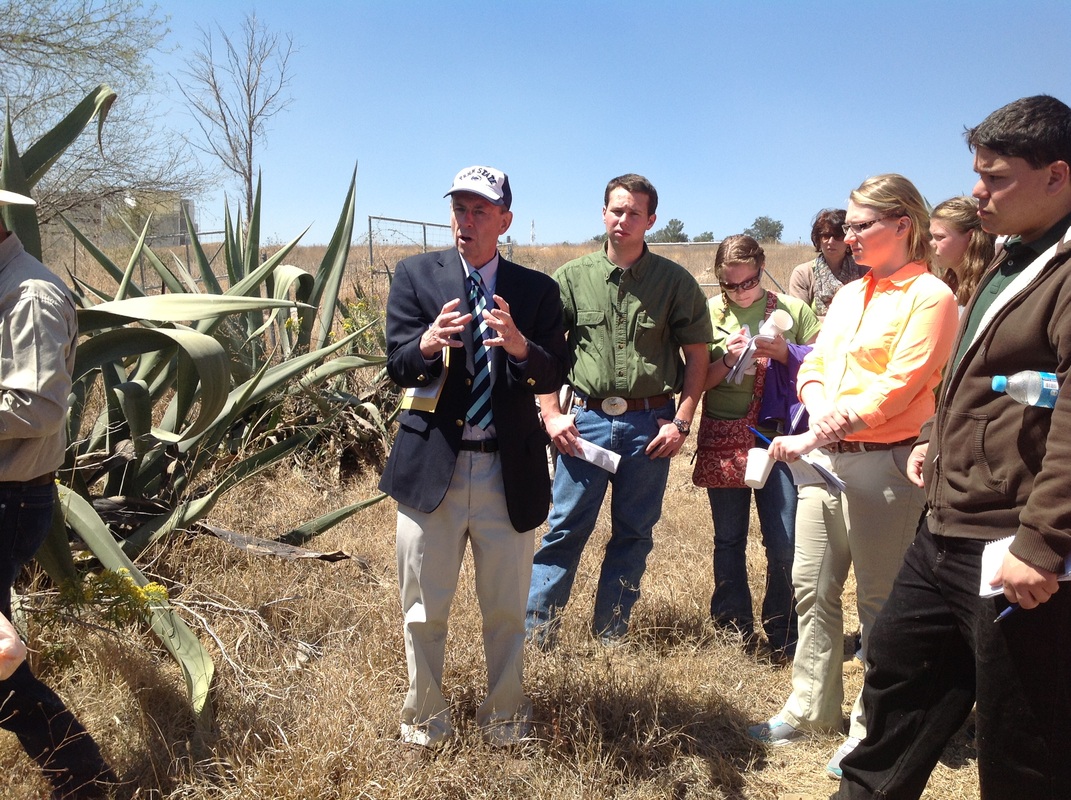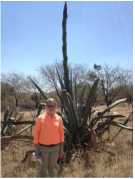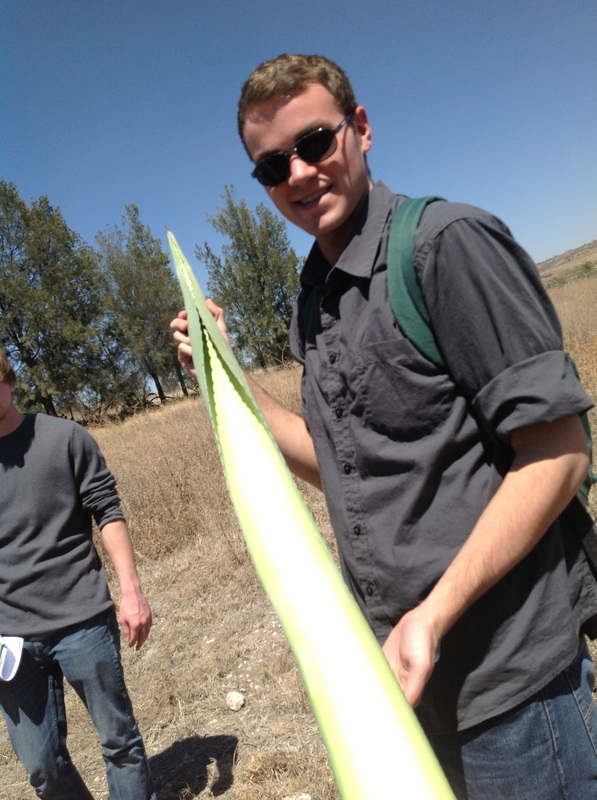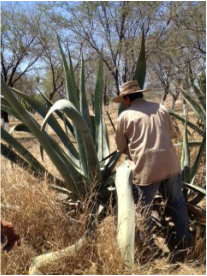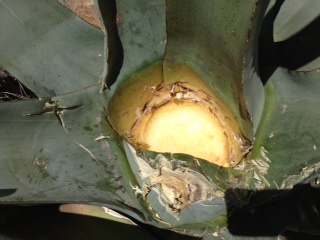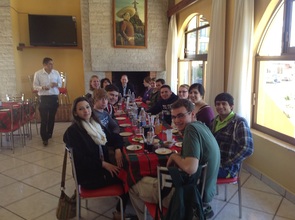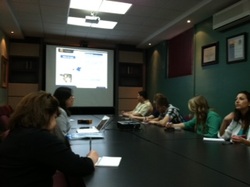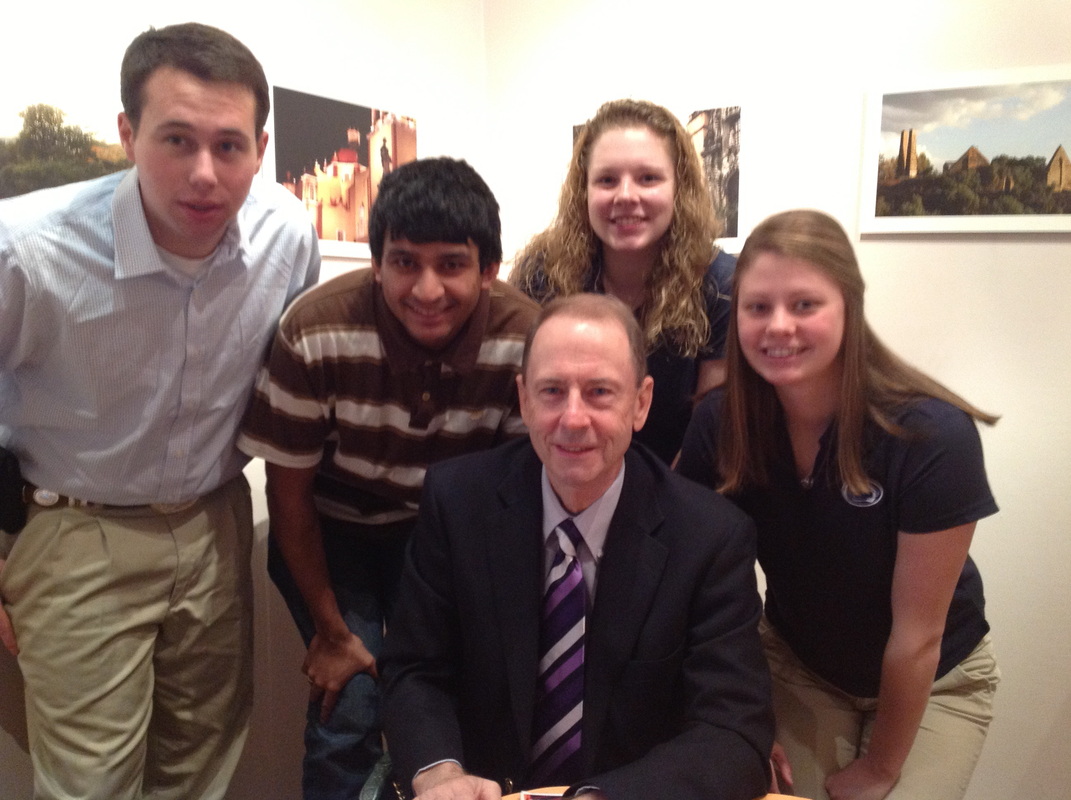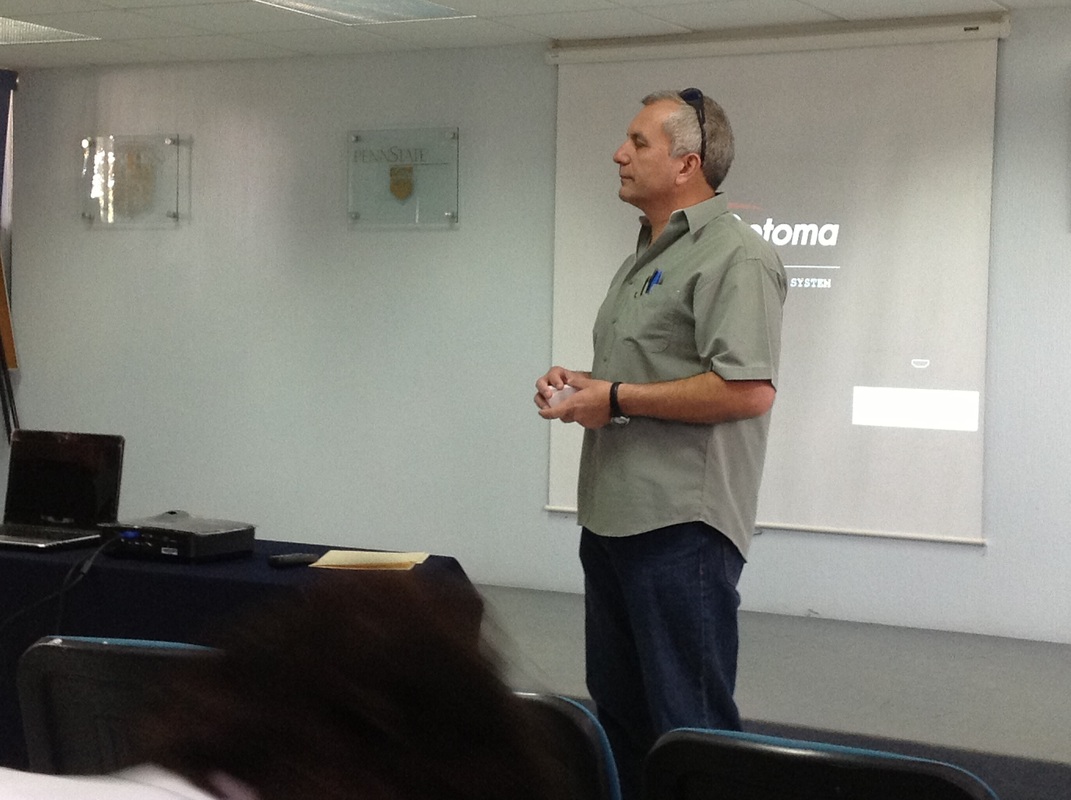
Our day began at the Irapuato Campus. We were introduced to Dr. Hector G. Nunez-Palenius, who works in the Plant Protection Lab at the University of Guanajuato. He talked about the National Genetics Laboratory (LANGEBIO) that we were going to visit. This is the premier genetic laboratory in Latin America. Here they do all the genome sequencing for maize, agave, etc. In addition, the lab is also working with the National Anthropology Institute to understand how the initial humans in this country were living.

After Dr. Nunez’s presentation, we boarded the bus and traveled to LANGEBIO. The building is relatively new—six years old—and was funded by their federal and state governments.

We went through the various areas of the laboratory and learned about the various projects and equipment that they had at the Laboratory. In addition to the scientific work that they do there, they are also focused on education and have a room for “los ninos” who visit from the schools.

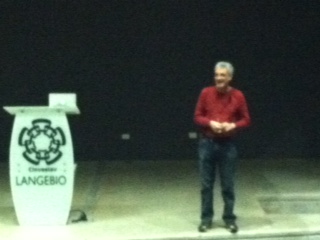
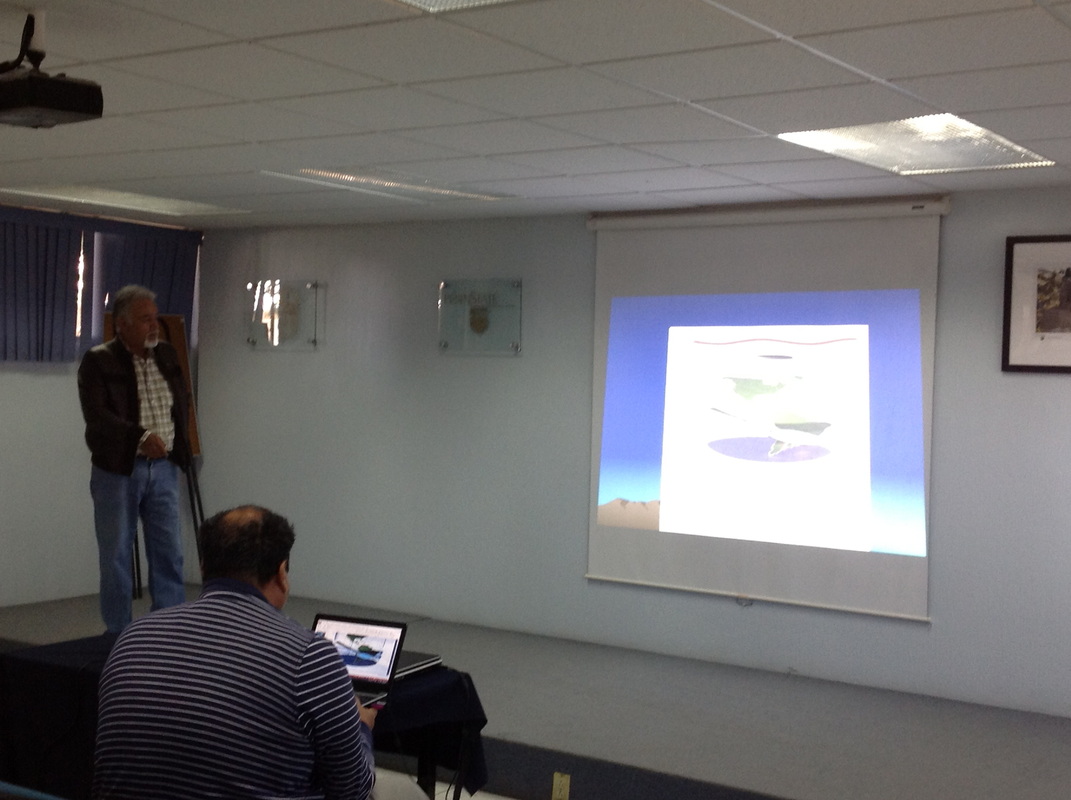
After touring the Lab, we went into the auditorium to hear a presentation from Dr. Juan Philippe Vielle Calzada, one of the leading research professors at LANGEBIO. He explained that the Lab is a public institution initiative that was started in 2005 to respond to the call to create an institute for research. One of the reasons they chose the Irapuato area was its proximity to the University of Guanajuato.

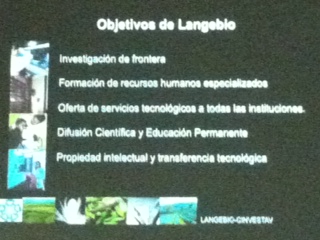
There are five countries that have 60-70% of the world’s diversity, and Mexico is one of them. The objectives of LONGEBIO are to not only investigate issues related to biodiversity and genetics, but to train new scientists, transfer technology to the public and industry, provide service to other national and international labs, and to offer an expert voice on topics. There are 15 lead scientists at LANGEBIO.

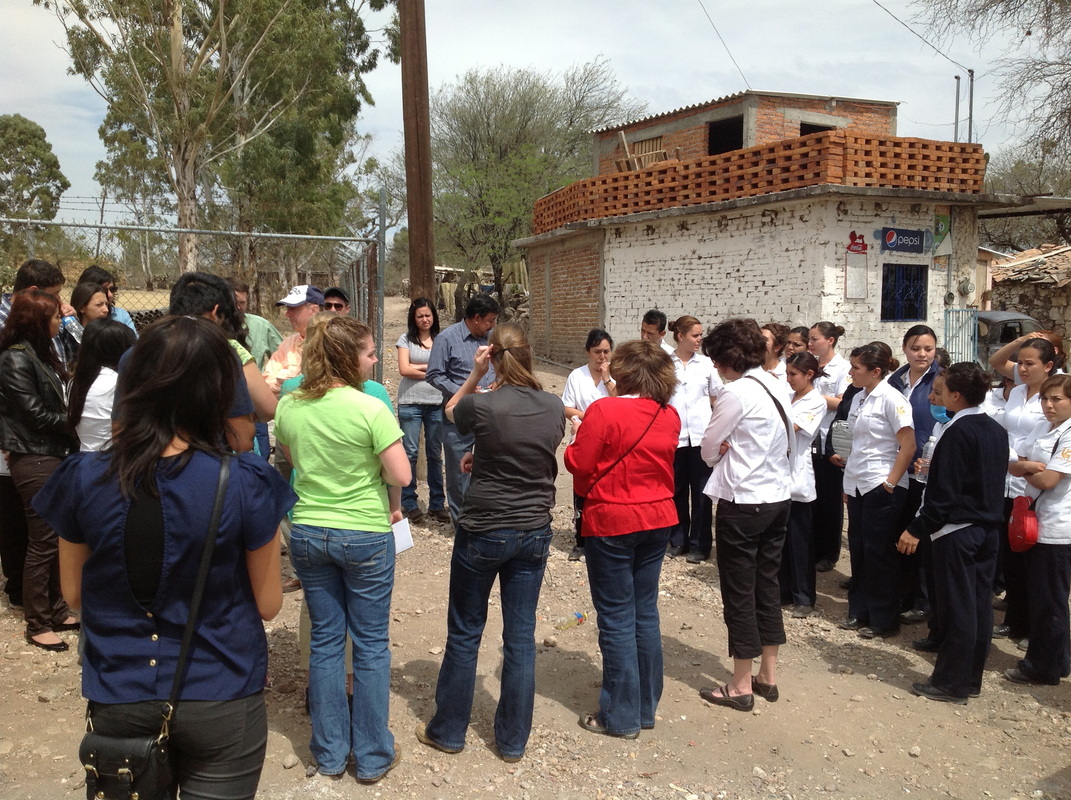
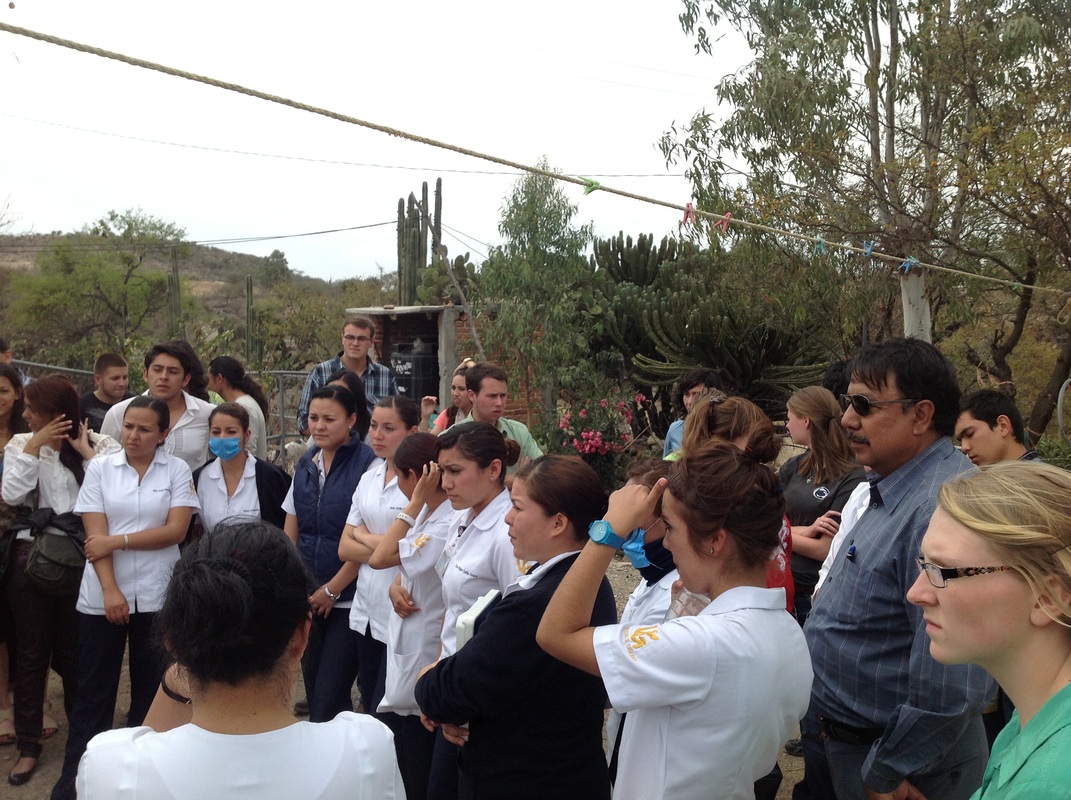
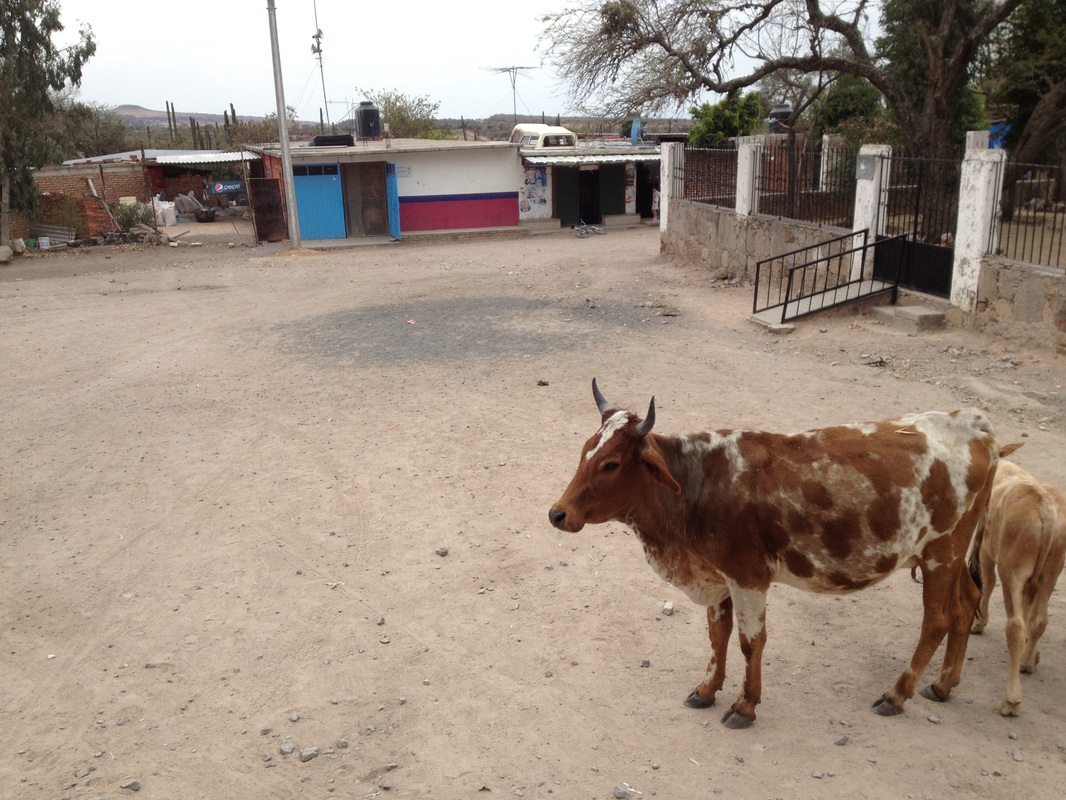
After our visit to LONGEBIO, we went back to the Division of Life Sciences and had a quick lunch before we boarded the bus and went out to a rural village. When we arrived, we met with a group of nursing students from the Irapuato Campus who were visiting the village to provide health care services.
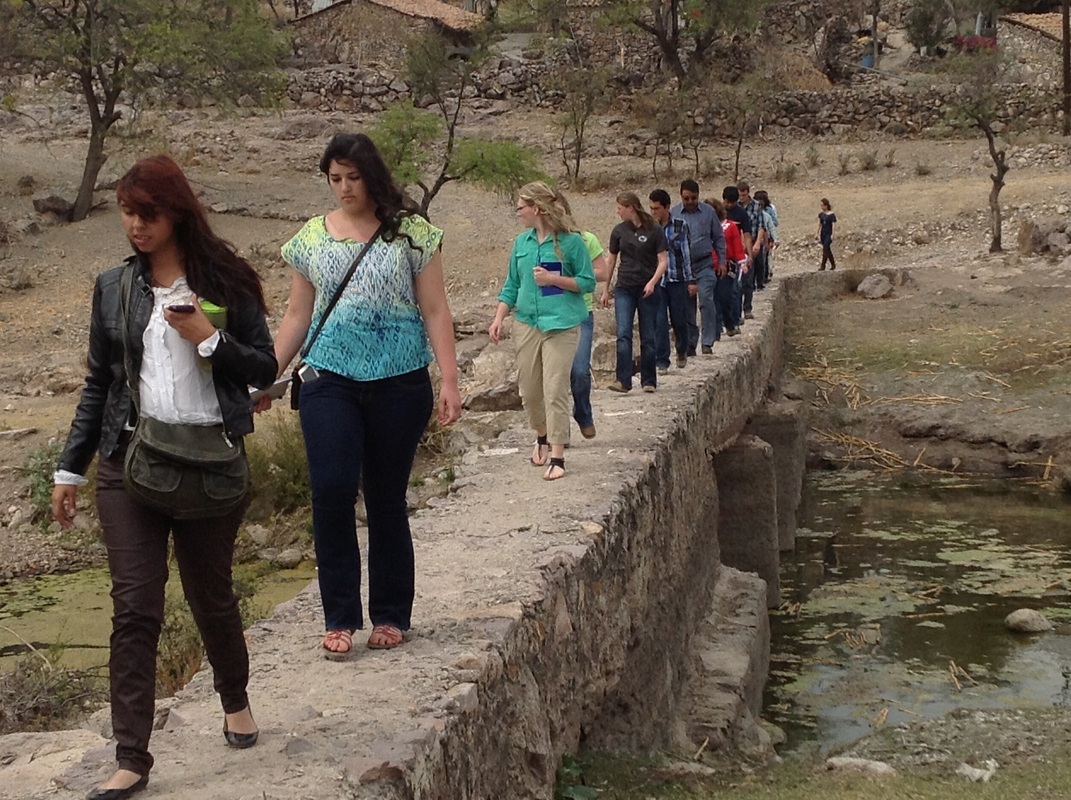
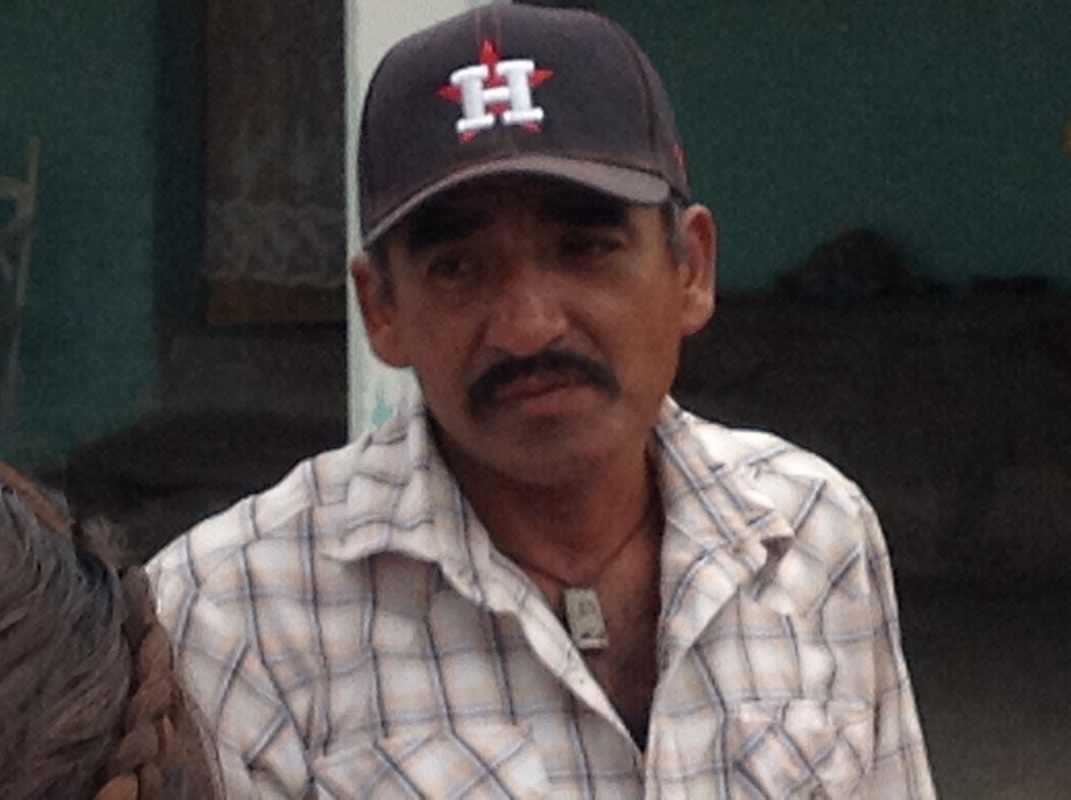
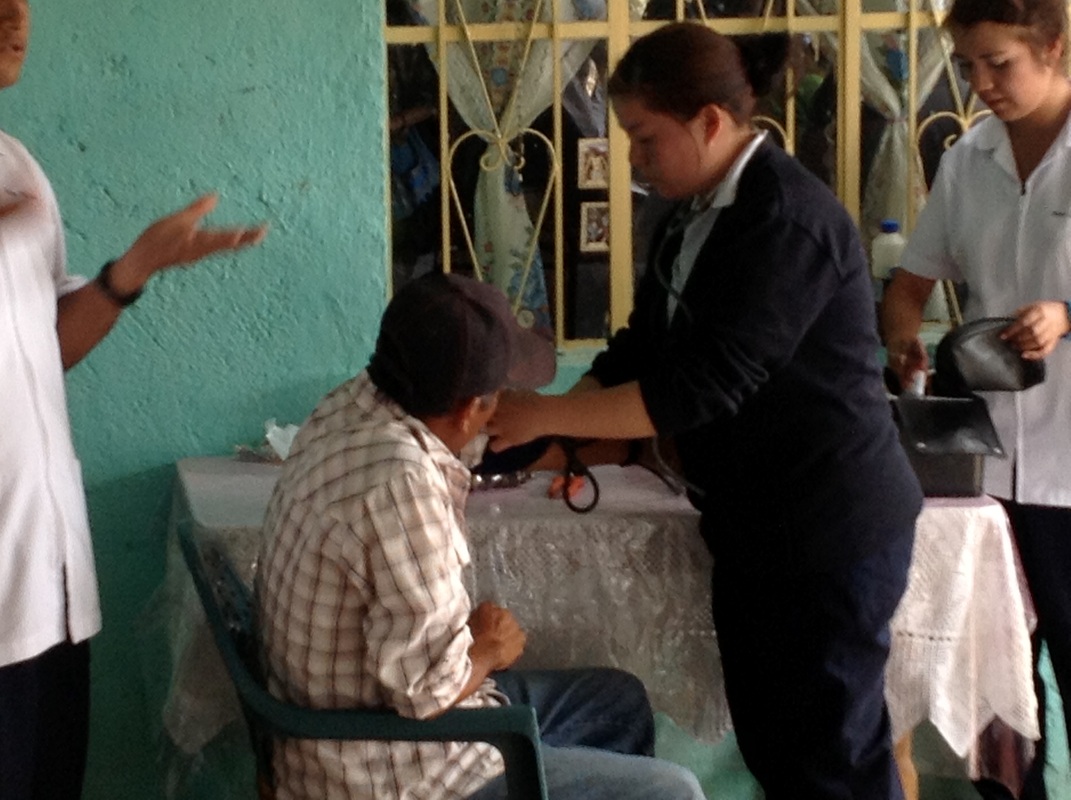
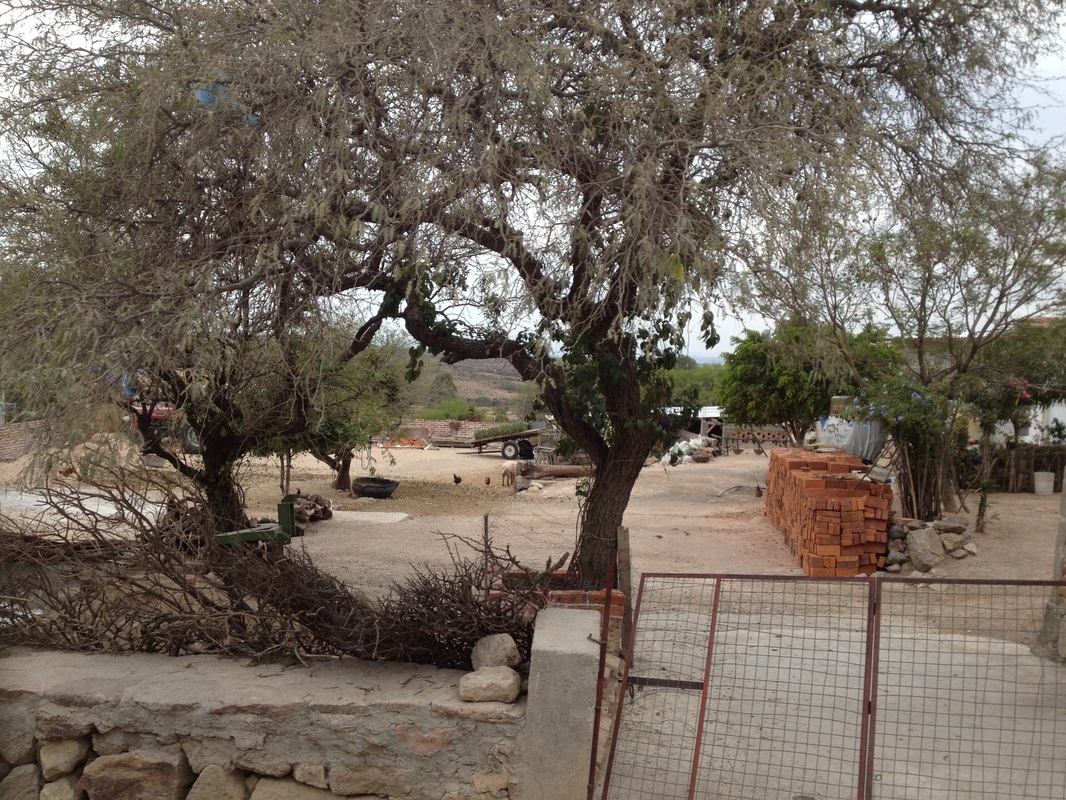
From there, we walked over the bridge and up into the hillside to visit with Pedro Ramirez, a local subsistence farmer who also spends six months a year in the United States as a migrant worker for a nursery in Sacramento. The nursing students performed a variety of health checks and then we spent some time talking to him about his life there. He has four acres on which he keeps goats and grows corn. He and his wife grew up in the village and attended school there. They have an older daughter who is married and lives in a nearby village and a 21 year old son.

Most of the people in these small villages attend elementary school until 6th grade. In this particular village, if they want to go to middle school, they have to travel to the next town over, approximately 10 miles away. If they finish middle school, then they need to go into the next larger town to finish high school. Eduardo said that only 40% of the children in this village go on to middle school in the nearby town.
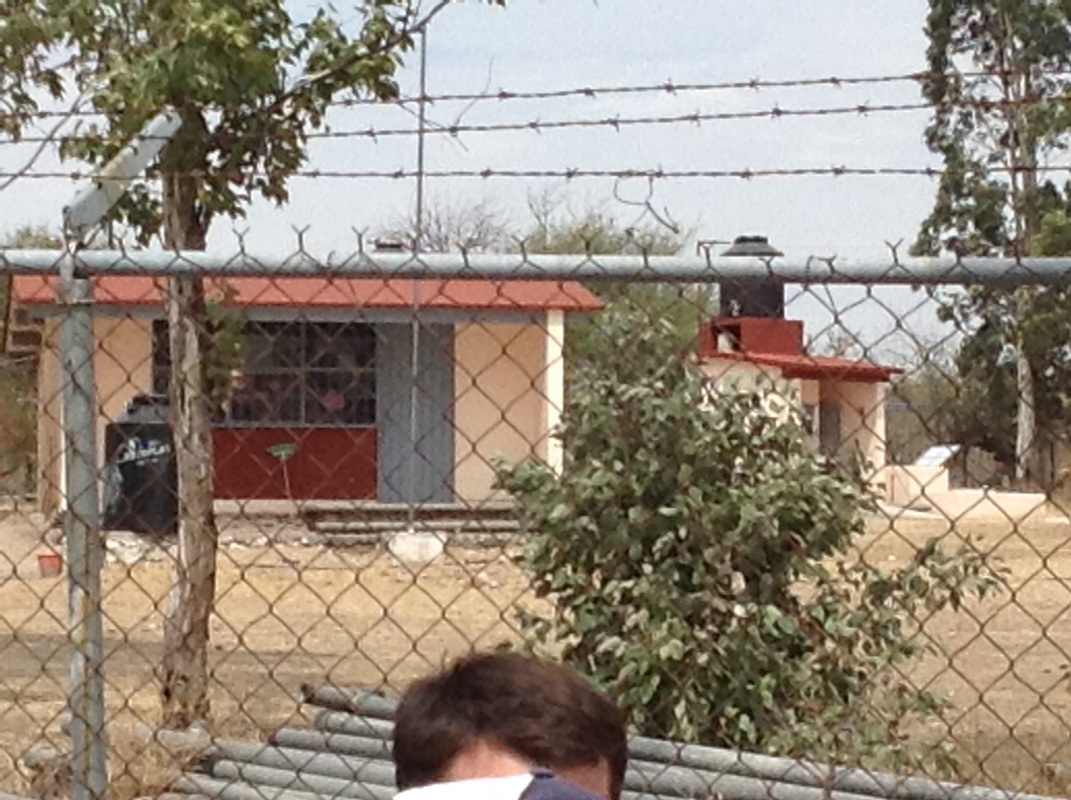
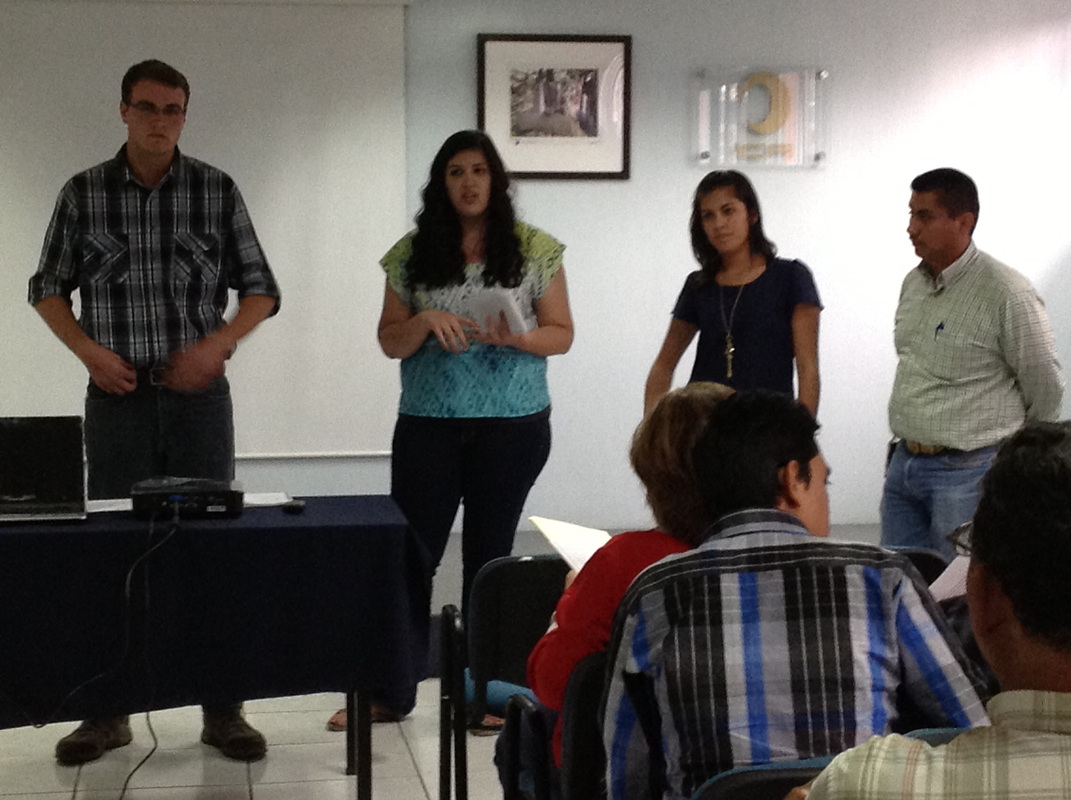
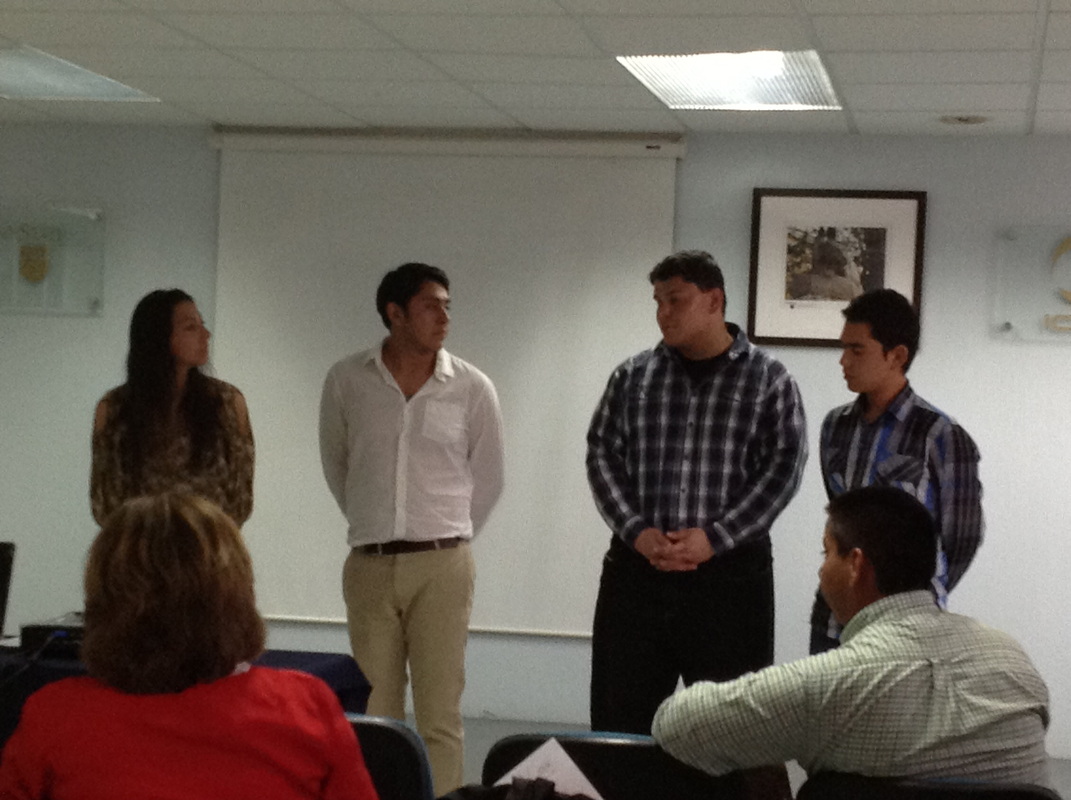
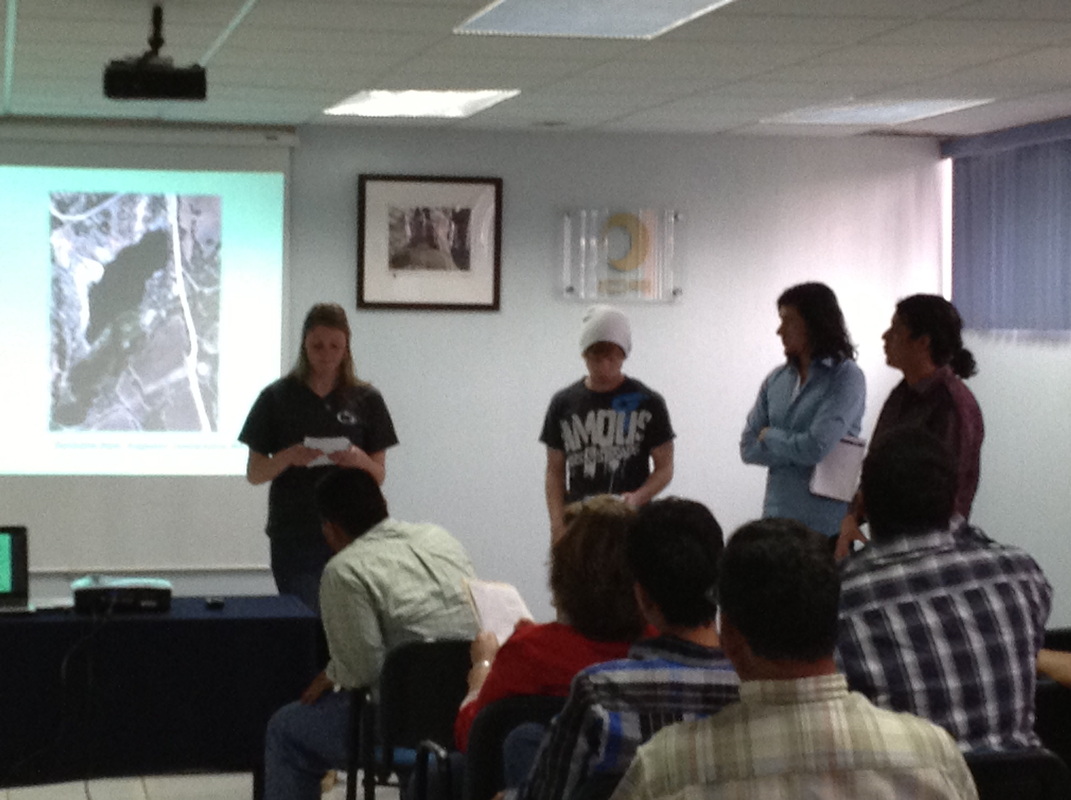
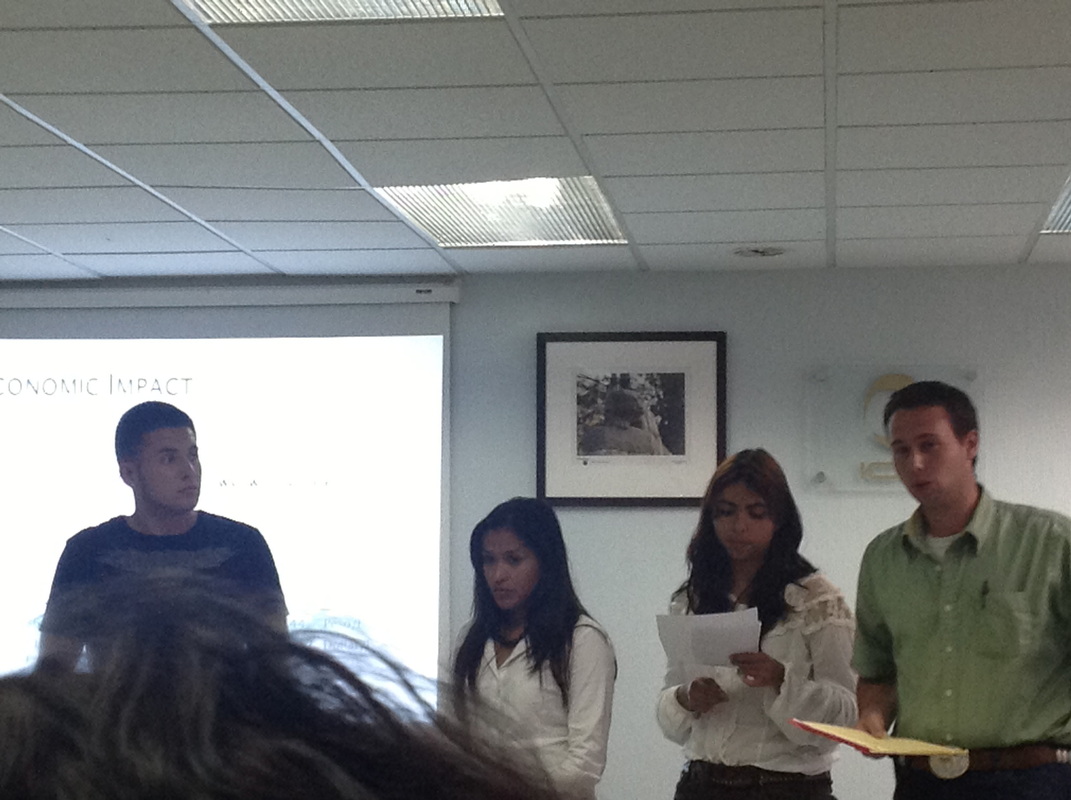
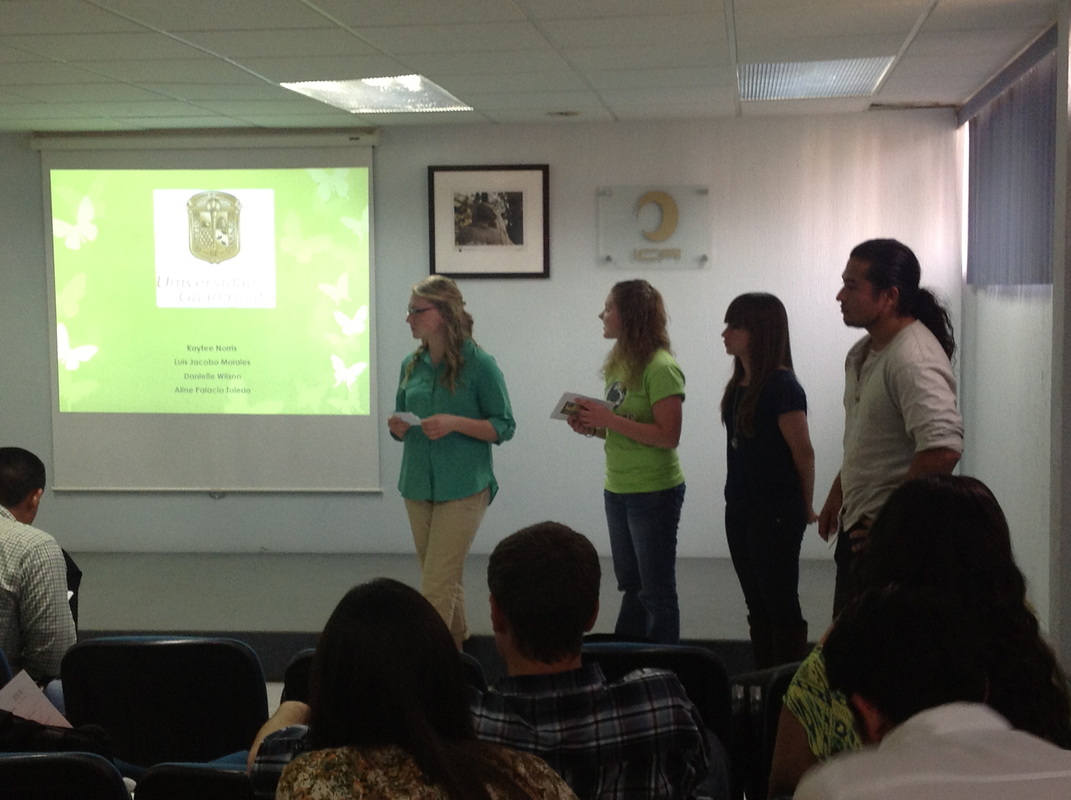
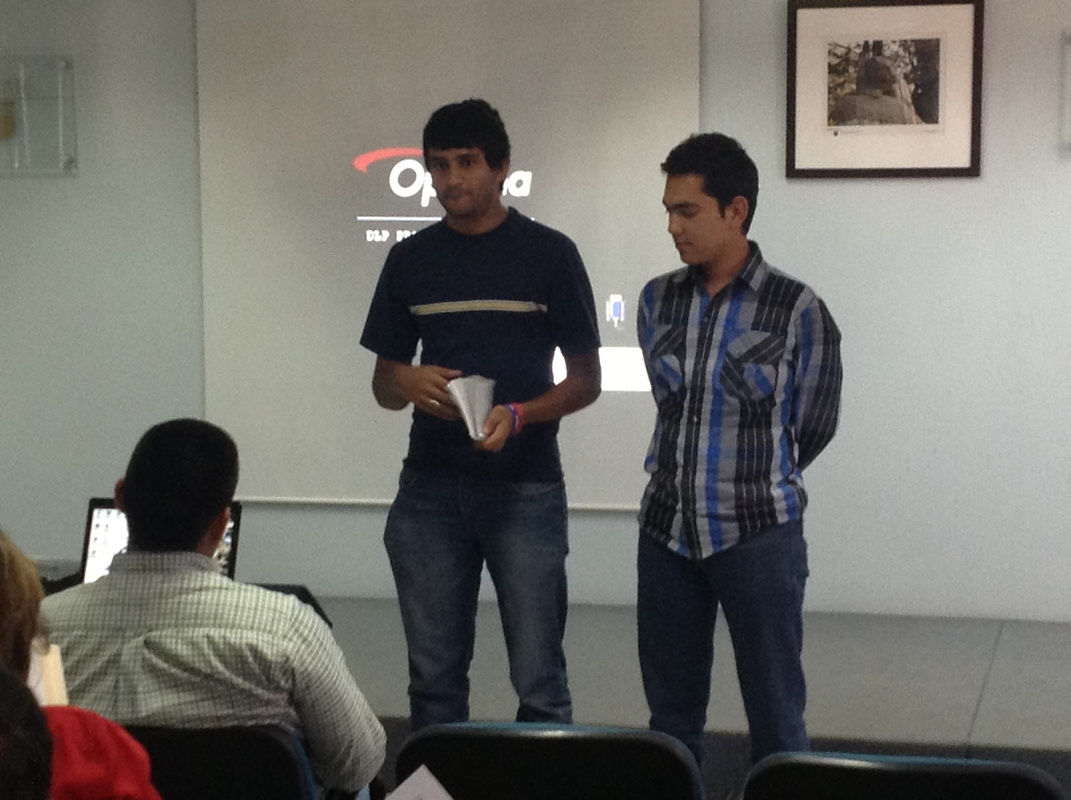
From the village, we went back to the Division of Life Sciences and the students gave their presentations. They were great! Each group focused on various aspects of what we learned during the week about plants, irrigation, water issues, etc. Bhavik, who is an education major, presented with Luis about the contrasts and comparisons between education in the US and in Mexico. We were all very proud of how far the students had come since they arrived here ten days ago—and we were particularly in awe of the University of Guanajuato students who gave their presentations in English!
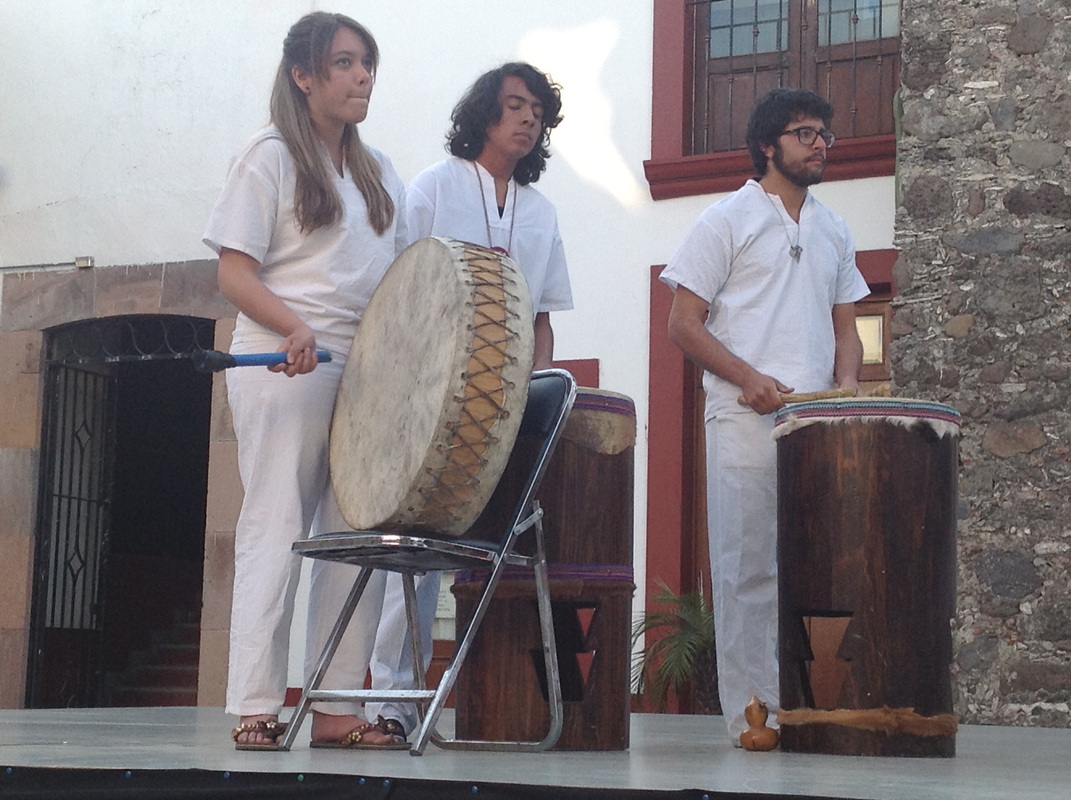
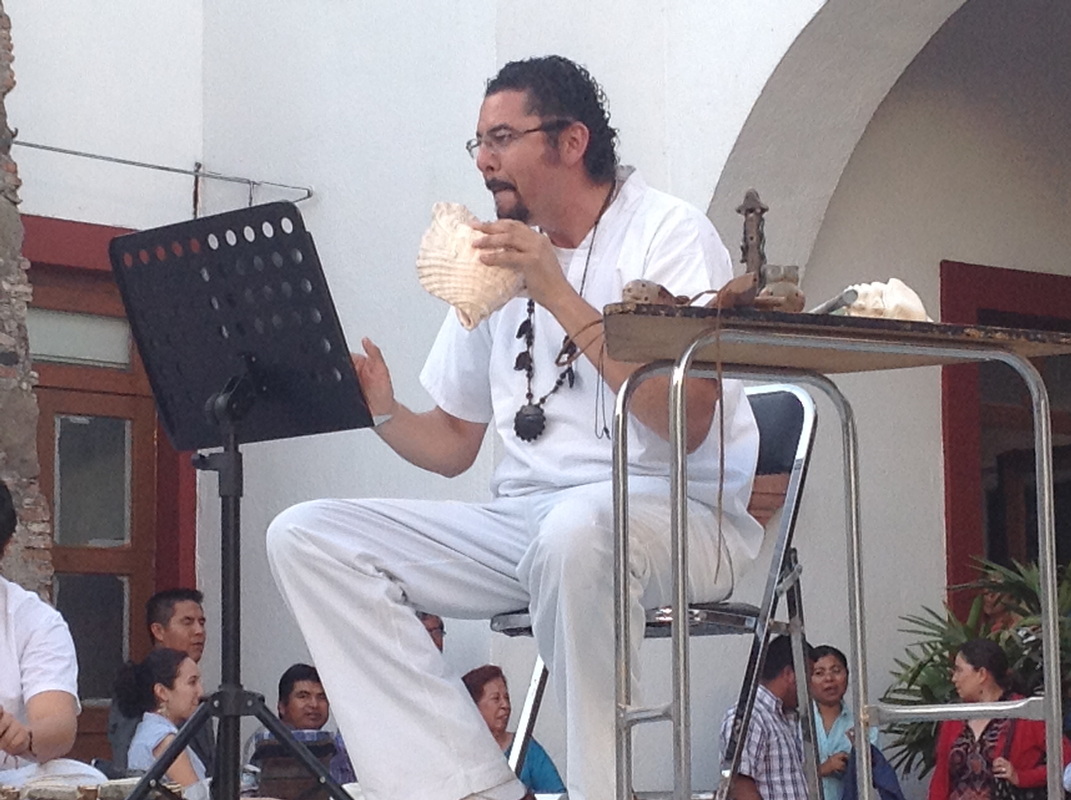
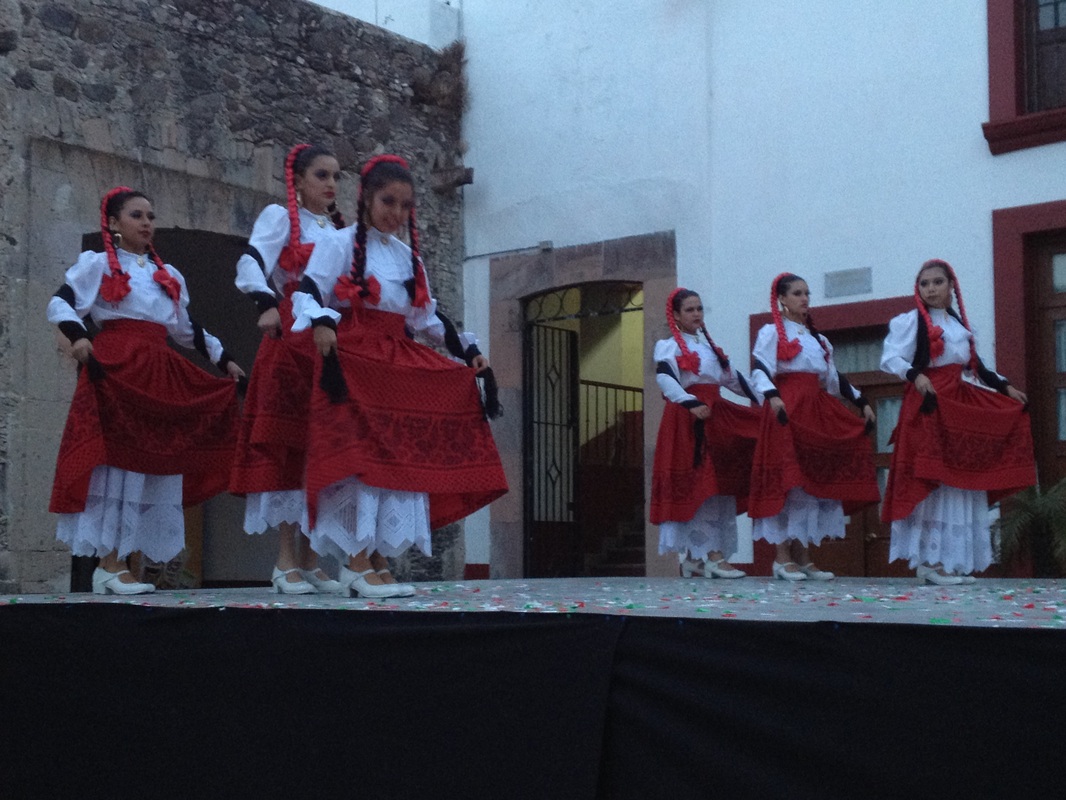
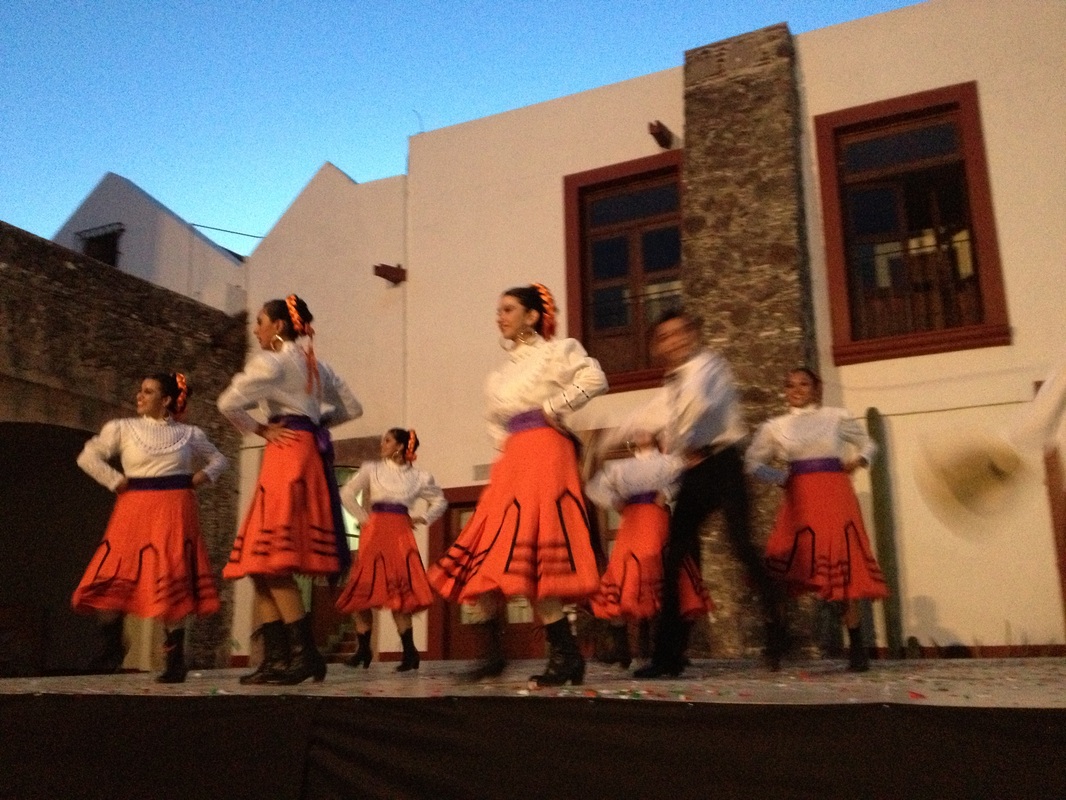
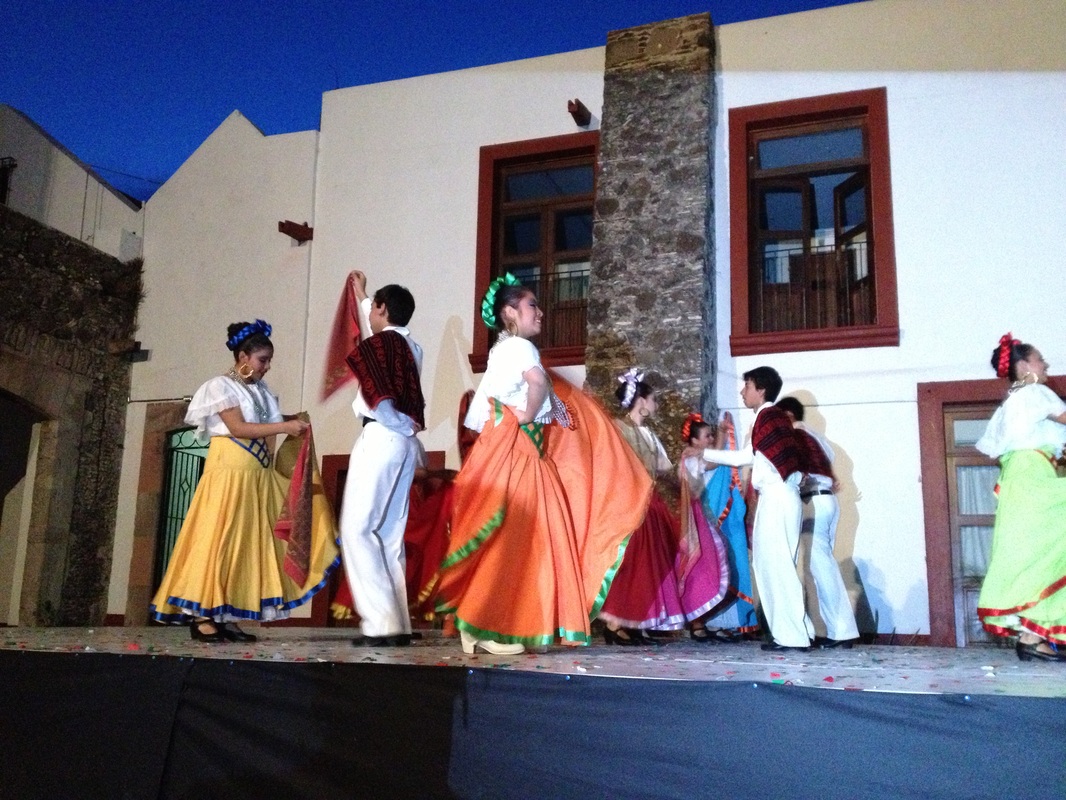
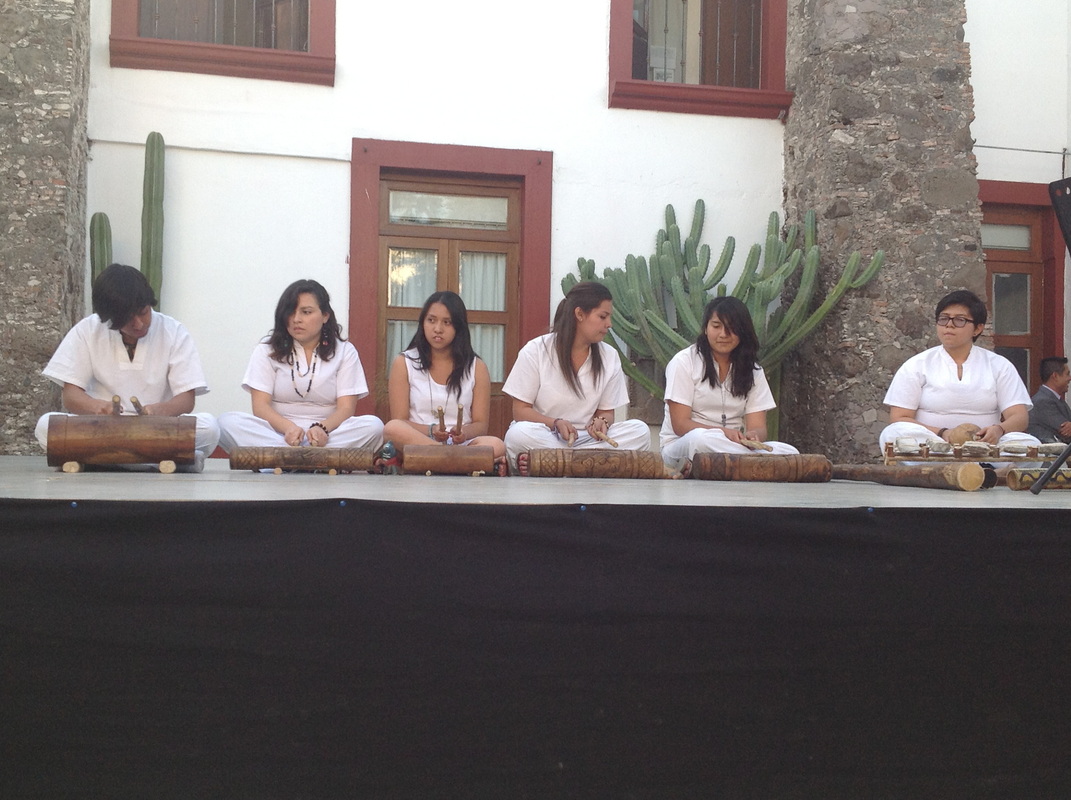
After all our hard work, we headed over to the Hacienda (Administration building) where we were treated to a musical performance and to a dance show. It was a wonderful way to close out what had been a very productive, educational and emotional week.
Tomorrow we head home. But we cannot leave here without thinking about the impact that this experience has had on us as both American and global citizens. The opportunity to interact with students and people from another culture only broadens our world as well as our perspectives of it. We are thankful for the chance to get to know the people of Guanajuato and look forward to visiting them again.
“We should not let a little trickle of water like the Rio Grande keep us from working together. Our hope is with the young people. They can work together to make North American a better place.”

                                                The Honorable Samuel E. Hayes, Jr.
                                                Former Secretary of Agriculture for Pennsylvania
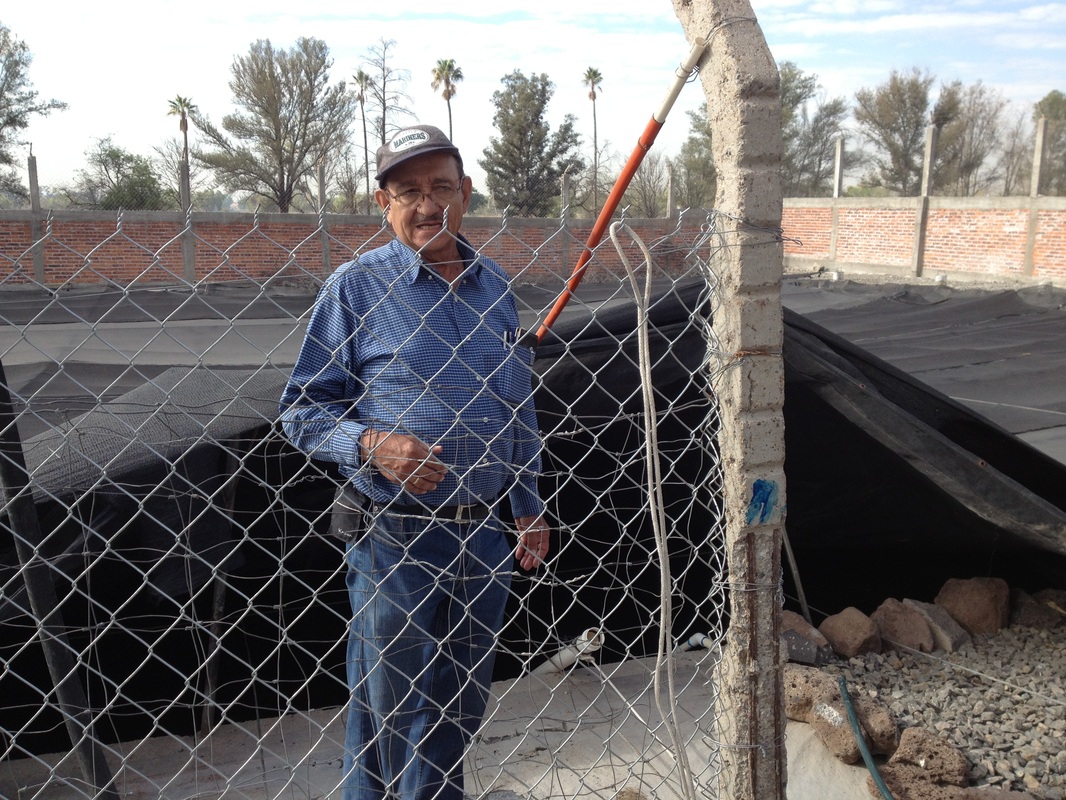
 
 
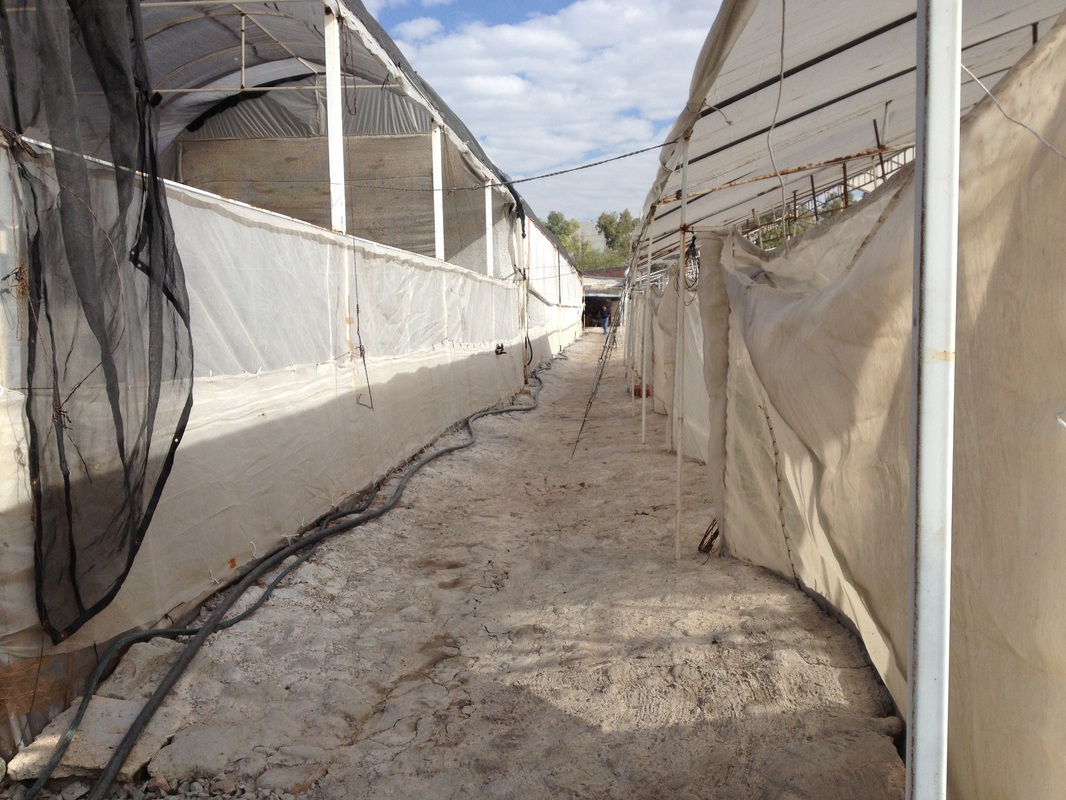
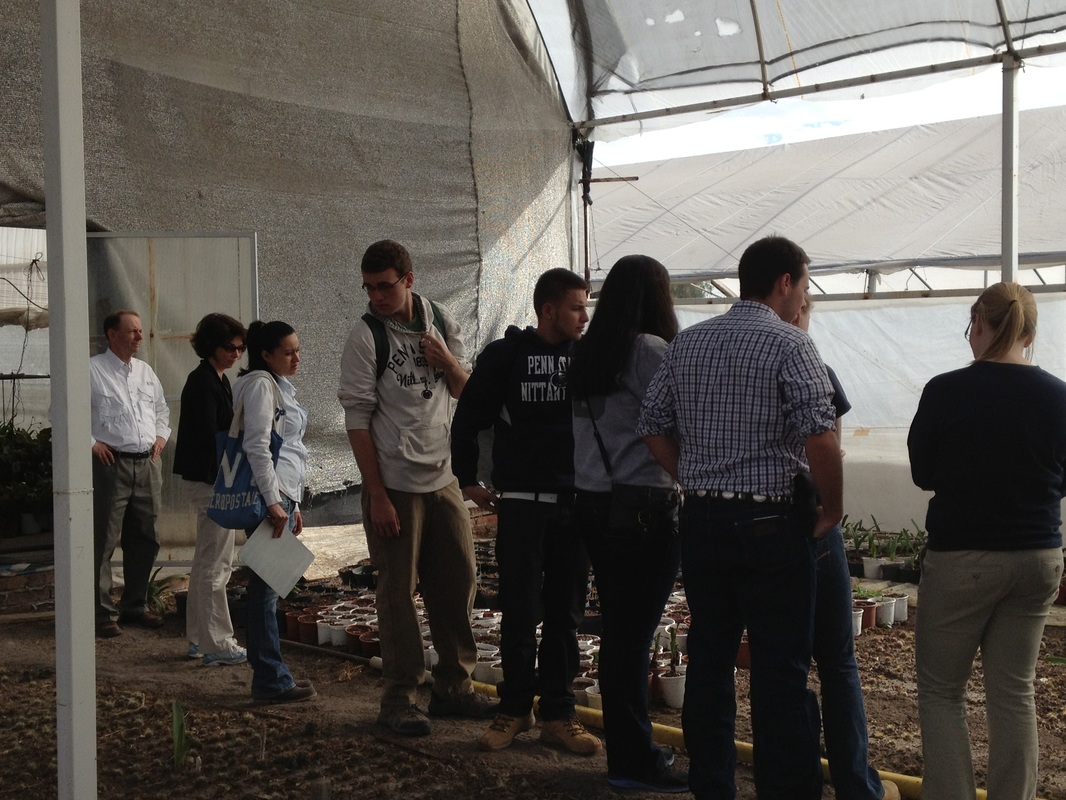
For the most part, today was focused on vegetable production. We began with a brief excursion to the “greenhouses” at the Division of Life Sciences. Rafael showed us how they are harvesting water by a series of innovations. Basically, imagine the greenhouse being on an incline. In between the two greenhouses is recycled concrete and that runs all the water down into a cistern that can collect up to 2000 cubic meters of water from rain. Unfortunately, with the decrease in rainfall, Rafael predicts another “slim cow year” and is hoping for a “fat cow year” in the near future.
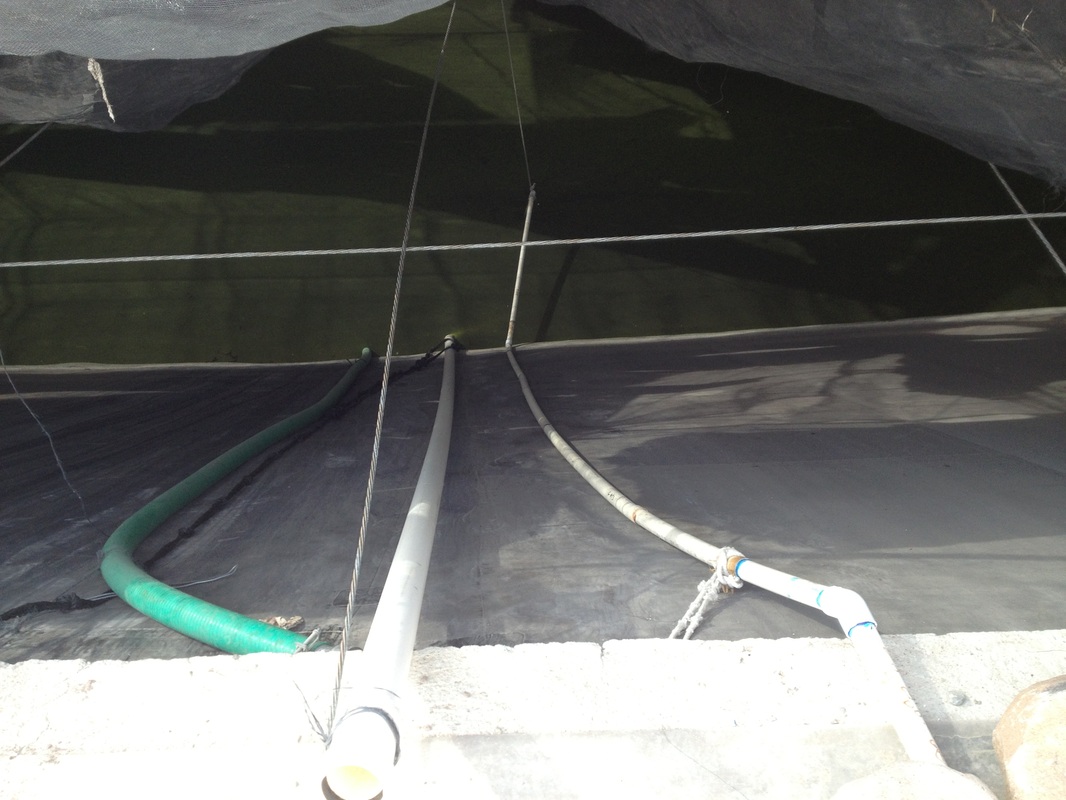
The cistern is like an old army bivouac covered with three layers. The interesting thing is that the bottom two layers are made of recycled materials---one is saran (a webbed black netting) and the other is a plastic layer with holes in the middle. The top layer of netting is new. The system allows rainwater to penetrate into the cistern as well as prevent evaporation from escaping.

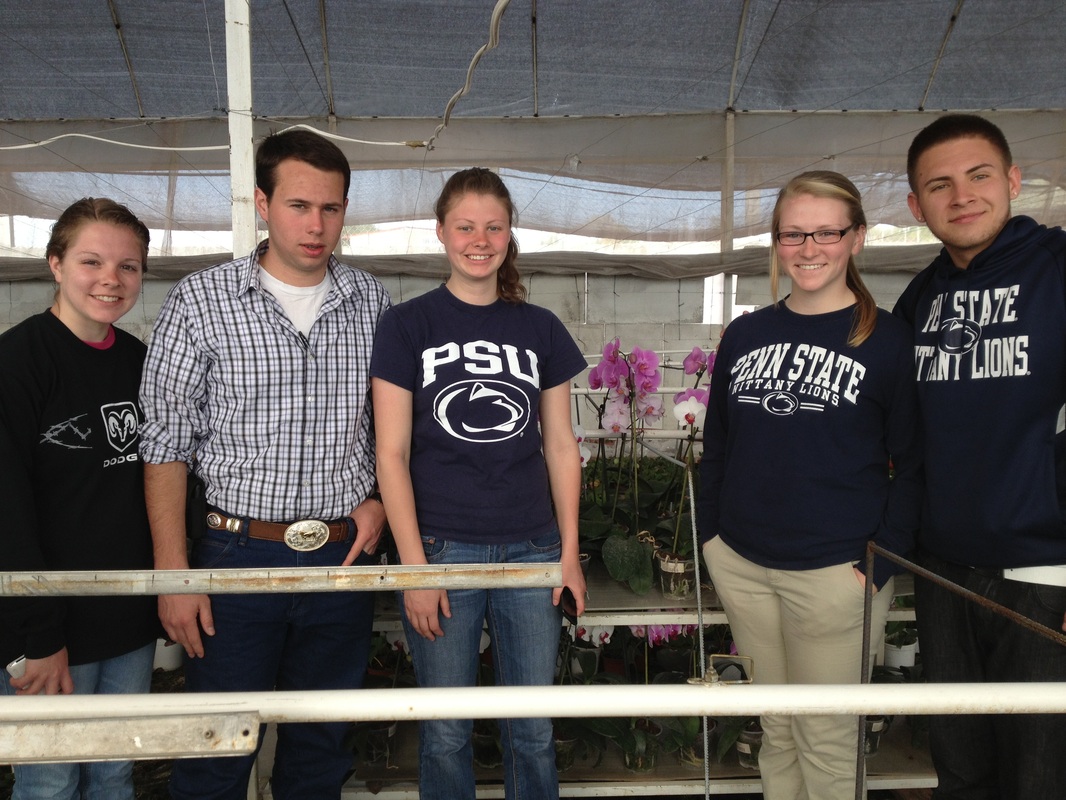
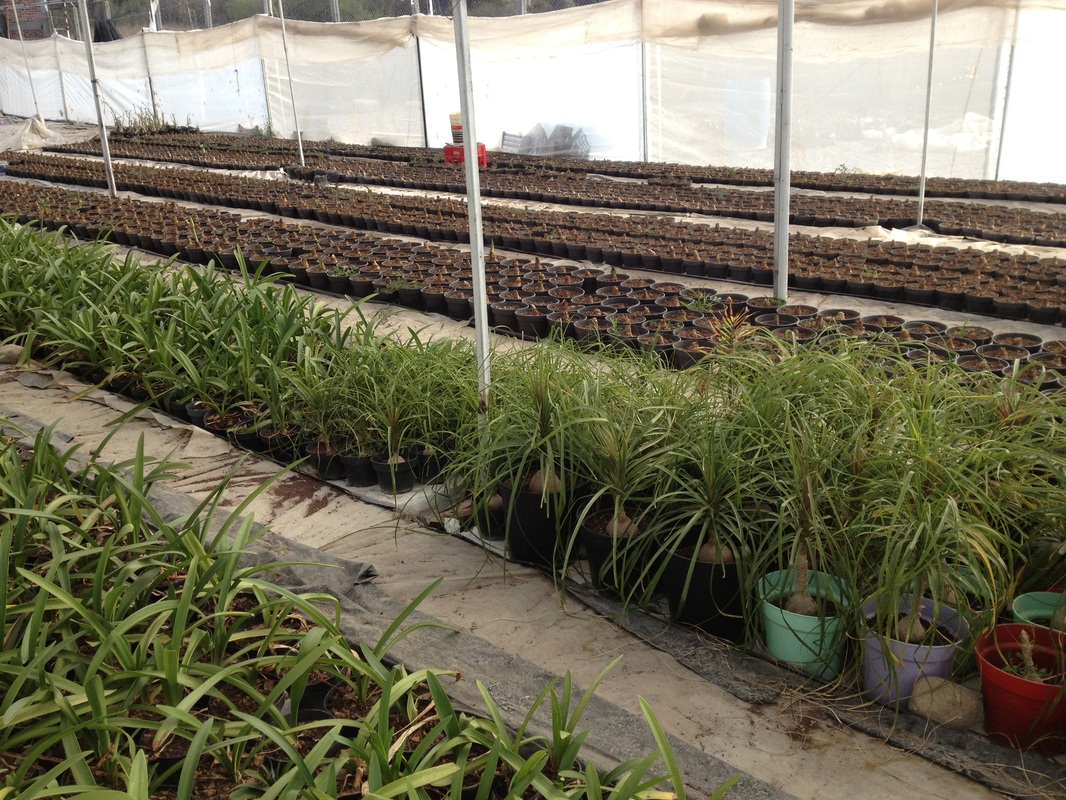
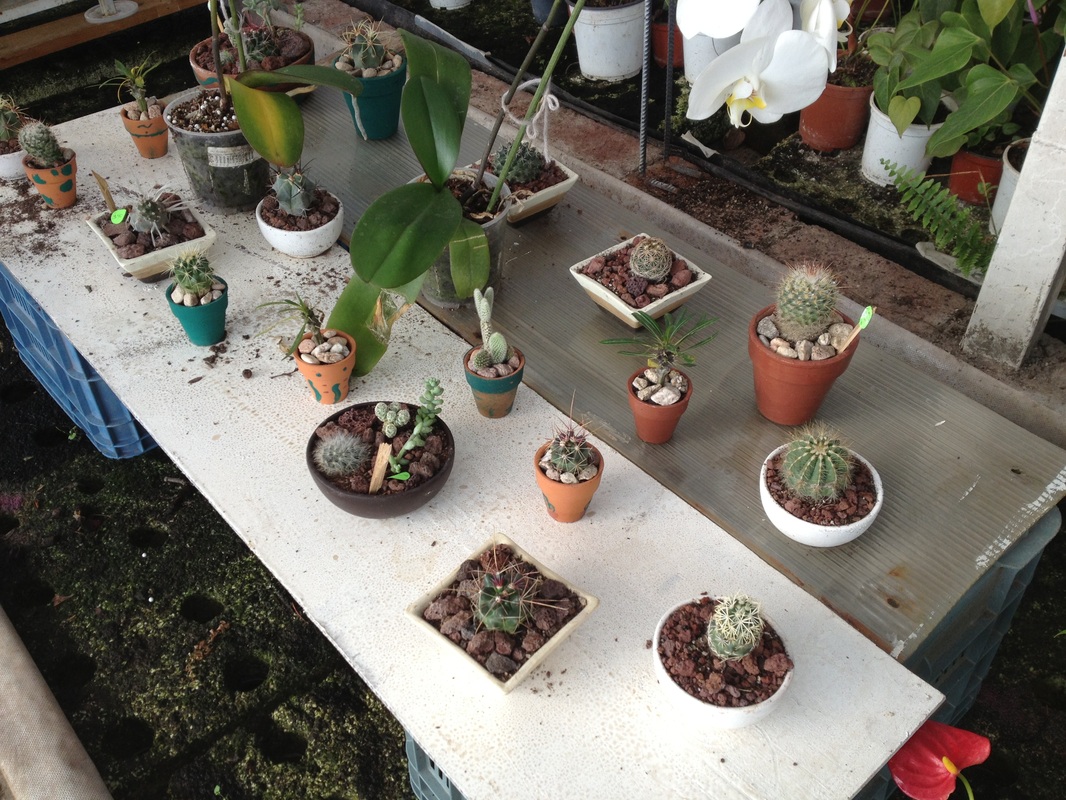
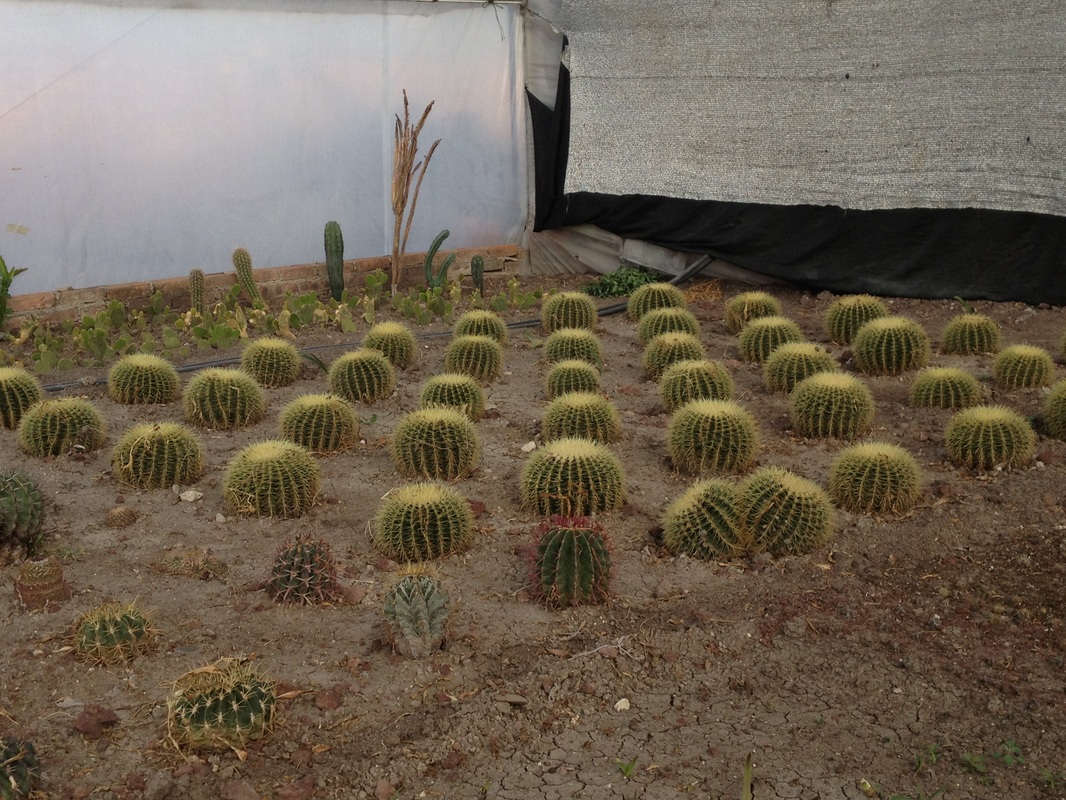
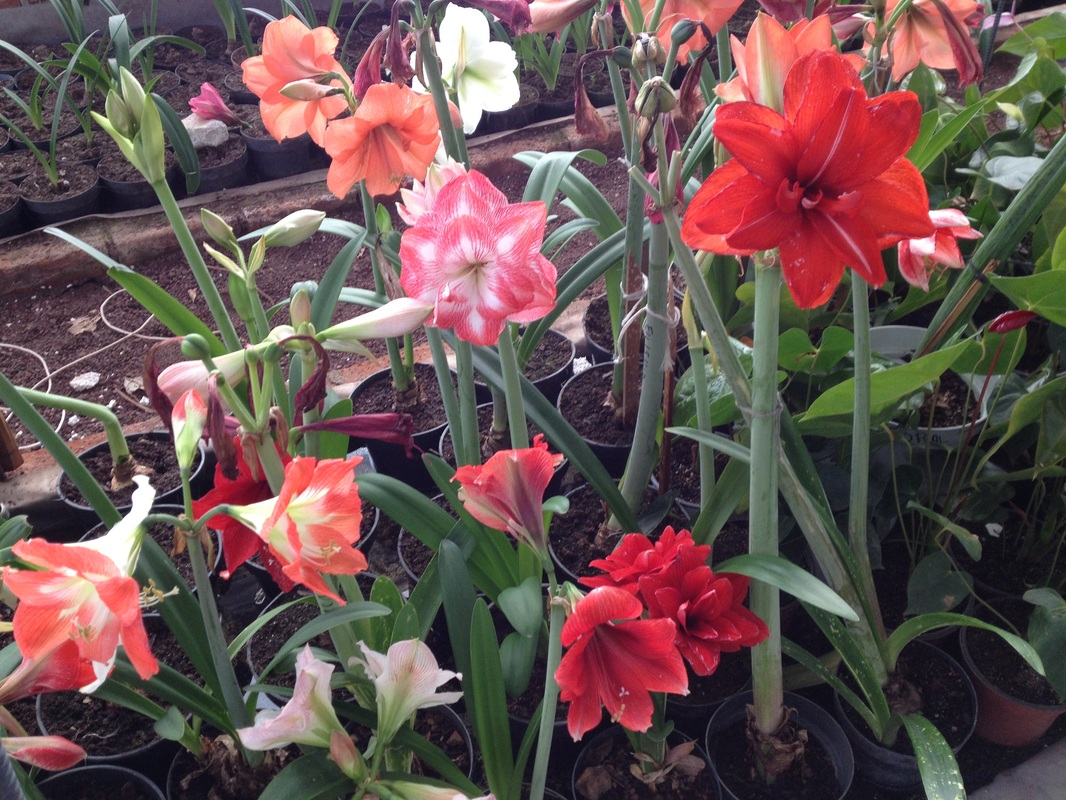
One of the greenhouses was built for $3,000, primarily from recycled materials, in order to show local farmers how they can make money by using these inexpensive greenhouses to grow higher value crops, such as Amaryllis, ponytail palms, orchids, and cacti (including the “mother-in-law chairs” we were introduced to earlier in the week). 
Afterwards, we met up with the University of Guanajuato students and went to the Green Giant plant (actually the General Mills plant who owns Green Giant) to observe how vegetables are processed at a big, multinational corporation.  General Mills owns Haagen Daz, various cereal products, Old El Paso, Betty Crocker, part of Yoplait, Pillsbury and Nature Valley Granola Bars. They run three shifts a day with 2,000 employees. (Approximately 20% of Irapuato employment is at Green Giant.)
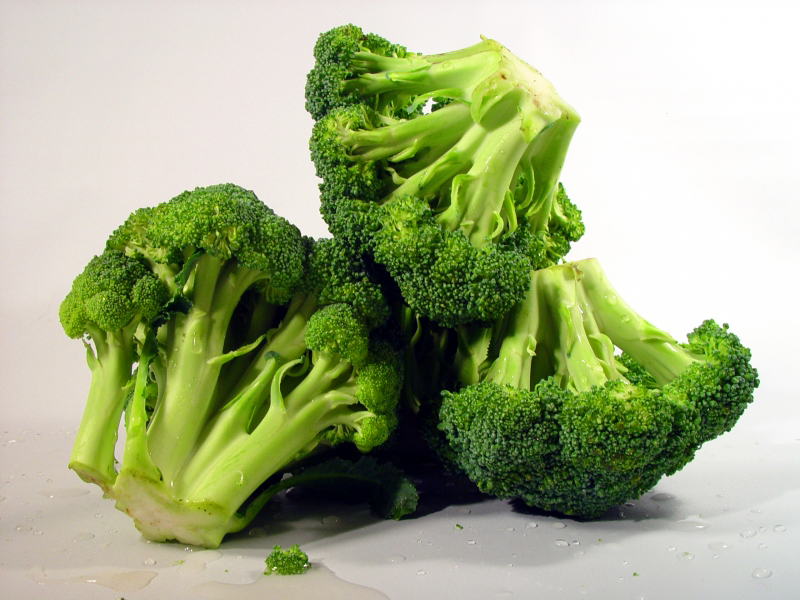
When we entered the plant, we were asked to leave everything behind except for a photo ID--no cameras. This particular Green Giant site is where they process frozen vegetables, but they also have dry facilities where they make soft and hard tortillas. Ten miles away is a greenhouse, where they process 400 million plants per year (which is only 70% of their capacity). They produce the seedlings and give them to the growers who produce the plants, maintaining total control of the process from start to finish. Overall, they have 50 growers on over 7,100 acres. At this particular plant, they make boil-in-bag, polybag and cheese sauce vegetable products. In addition, they process celery, red and green peppers, broccoli, asparagus and brussel sprouts. Tomato and asparagus seed are very expensive. The plant has to follow all the regulations and laws to which they are going to ship. Right now they are trying to offset their carbon footprint; in 2013, they have planted over 50,000 trees. The company will provide endemic trees to any groups (such as the Girl Scouts) that ask for them.

Next stop: Frugo---a family-owned operation based in Irapuato. They sell their vegetable products (both frozen and canned) to Heinz, Goya, Con Agra, Walmart, and Campbell. We had a chance to see them process broccoli in bulk while we were there (but again, no cameras allowed). These products were going to be incorporated into other food products after they leave the factory. This was quite a contrast to our visit to the Green Giant facility.
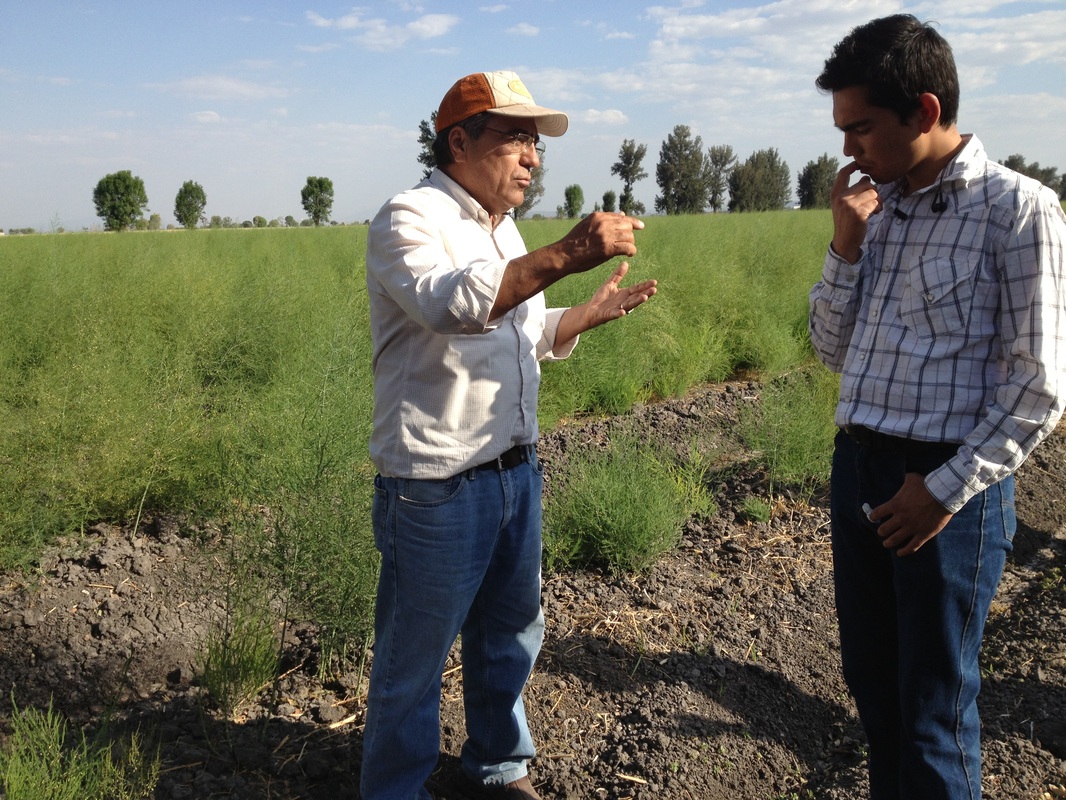
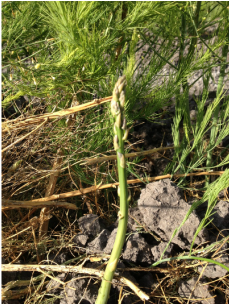
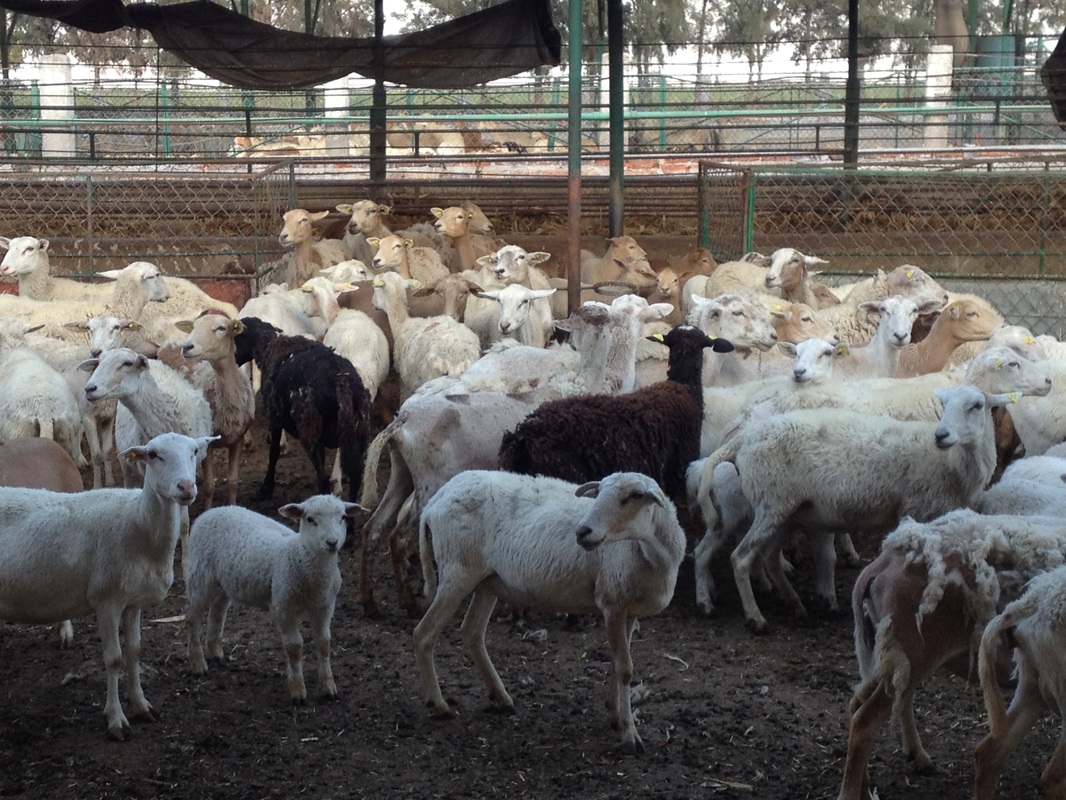
After a very brief stop at “Happy Chicken,” we went to asparagus plantation. The owner, Vincente Flores, has a 150 acres devoted to this crop. Vincente told us that he grows asparagus because it requires less water to grow, it tolerates frost, and it requires less machinery to manage and harvest (versus maize, sourghum and other vegetable crops). The only disadvantage is that asparagus needs to grow for 2 ½ years before they produce. But once they do, the plants can produce for eight years. He produces 2-3 tons per acre. Asparagus requires high organic matter, so Vincente also keeps sheep and swine in order to compost their manure for the plants.
That was our day because we needed to get back to the hotel earlier than usual because the town of Guanajuato was having a car rally and the streets were to be closed by 7 pm.

Last day tomorrow. We will visit the National Genome Center in the morning and then spend some time in a small, rural village to discuss migration issues. In the afternoon, the students (in combined groups of PSU and UGto students) will present their research topics that were assigned for the week.

Remember to visit the students' blog about the trip at http://mexicoblog2013.wordpress.com/


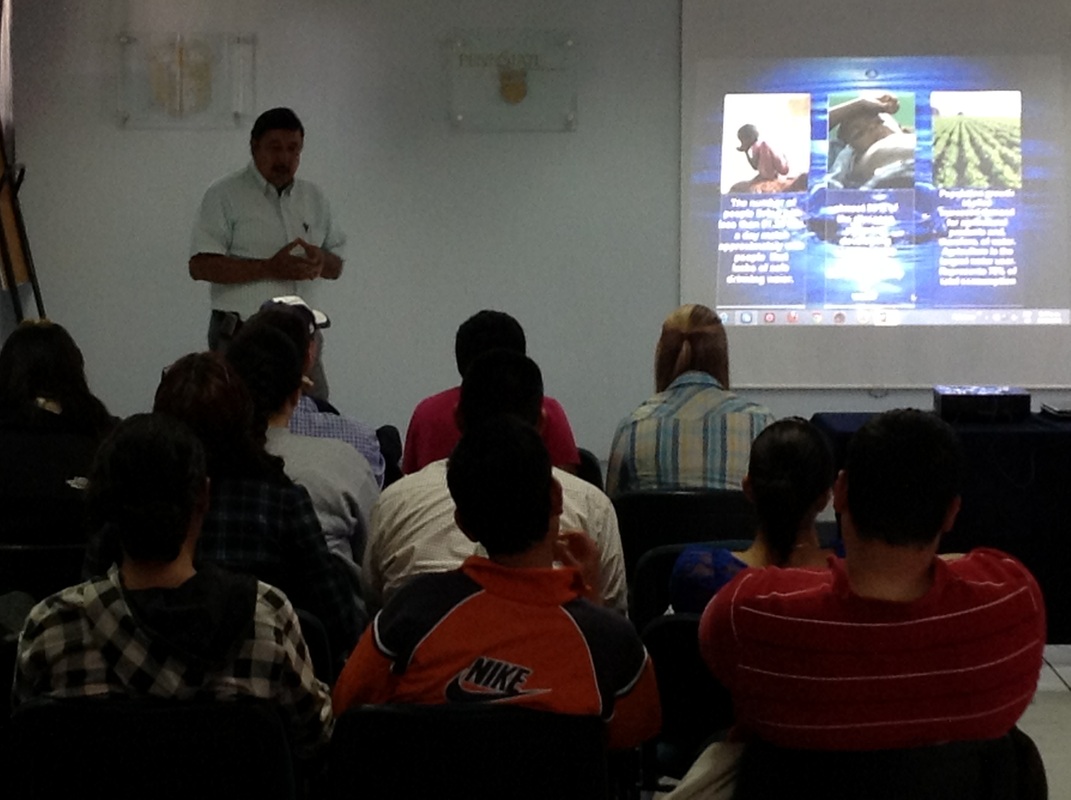
Wednesday. Early start to get to the Irapuato campus. We spent the morning in the classroom learning about 21st century water issues in Mexico.  The first presentation was from Dr. Manuel Enrique Romero Valdez, who discussed efficient use of water in agriculture. In Mexico, the amount of water available for consumption is decreasing, while the demand is increasing. Agriculture receives the highest distribution of water (77.8%), followed by domestic consumption (11.5%), and industrial (8.5%). Approximately two-thirds of water comes from wells and the rest comes from surface collection. In agriculture, 87% of water comes from wells.

Some of the principal problems surrounding water is the inefficient use of it, the exploitation of water coming from wells, the growth of cities requiring more and more water, and the antiquated water equipment.

The University of Guanajuato is researching better use of water consumption by crops by exploring level ground irrigation  (contour strips), hydroponic agriculture practices (drip/leak irrigation,) and the use of technical software—regulating nutrition of plants in irrigated areas (much more efficient use of fertilizer and water).

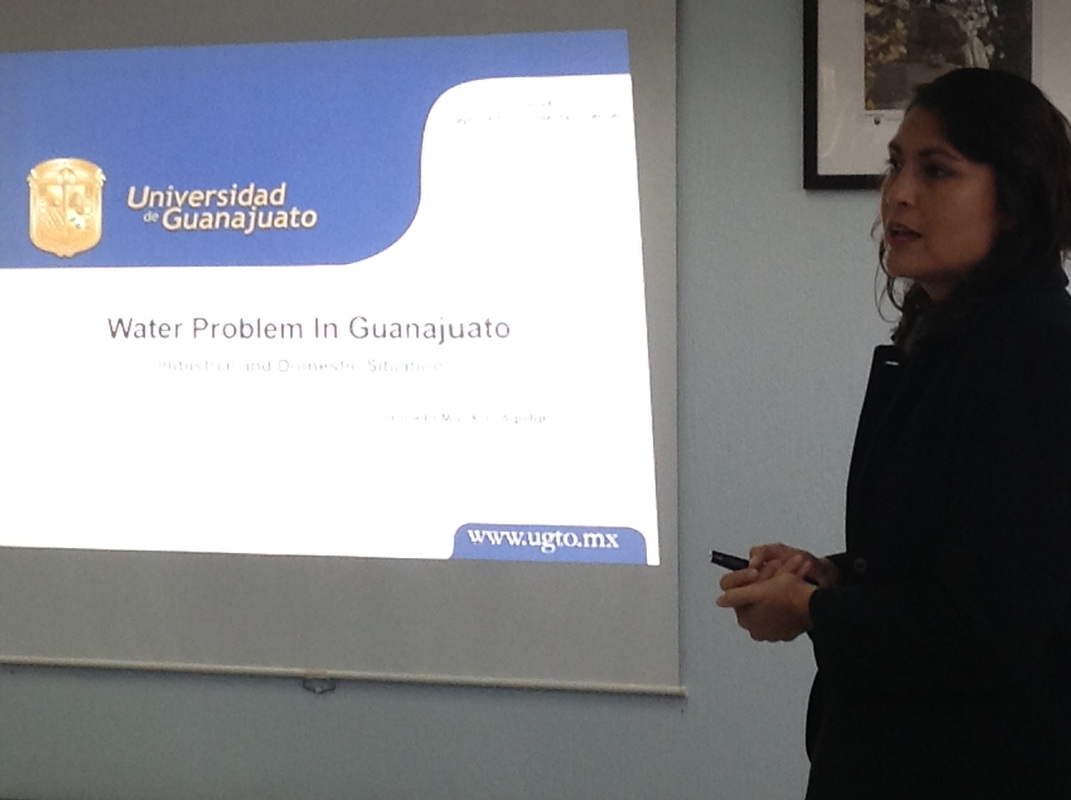
Next, we heard from Dr. Garciela M.L. Ruiz-Aguilar, an environmental engineer who researches industrial and domestic water problems in Guanajuato. She discussed some of the problems of pollution that come from common water sources (household and industry). With the decrease in the water supply, Guanajuato needs to define strategies to bring sustainable systems. Right now, they have problems with old hydraulic systems and lack of effective and efficient waste water treatment plants.
In addition, the public is not knowledgeable about these water problems and  feels that because they pay for water, they should have it. However, these subsidies prevent people from understanding the true cost of water, and there is limited investment recovery or new investment.

The University of Guanajuato is conducting research about water treatment and how to make the final product usable. Dr. Ruiz-Aguilar, in particular, is studying the use of fungus in this process.
Lastly, we heard from Dr. Eduardo Salazar Solls about water, economy and society. Approximately 80% of diseases in humans are related to poor water quality. There is a “high water deficit” and the Mexican government is trying to stop well extraction. One solution has been dams, such as the Zapotilla Dam that serves both the States of Jalisco and Guanajuato. However, this is a very expensive solution. Dr. Salazar is researching how society can respond. For instance, it is known that 6% of forests on the Earth’s surface capture 50% of rainwater. (Guanajuato has only 5% of its original forests left.) One solution to increase water is through reforestation. There are many other solutions that need to be explored.
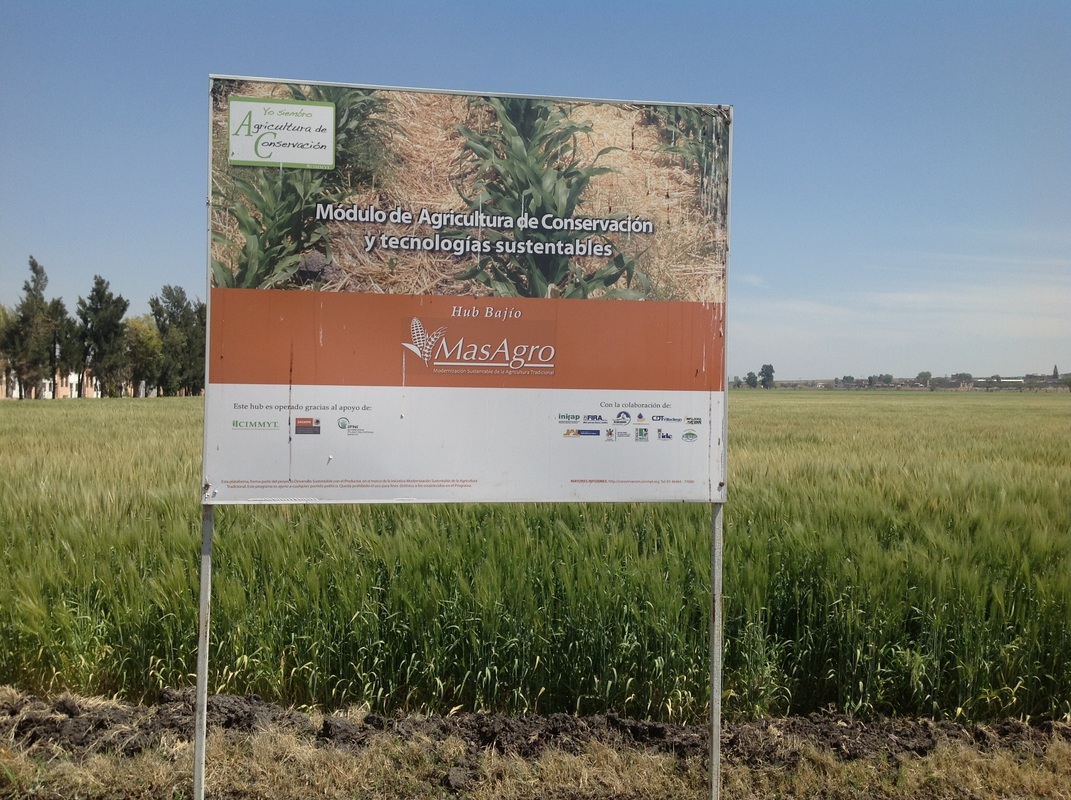
After our presentations, the students were assigned topics that they could work on together with the University of Guanajuato students. Then it was off to the fields. We traveled to a local ranch where we met with the “President” of the farmers’ association there. He discussed the various policies and practices they have in place related to water consumption and irrigation. The crop closest to where we were was barley and the intent was to sell this harvest locally. We learned about various crops that are grown in this association.

Sam’s friend, “Nacho,” a nearby ranch owner, couldn’t be with us as planned, so he sent his brother Arnulfo over with pizza for us. Although Arnulfo knew almost no English, he made it a point to greet all the students and talk to them.

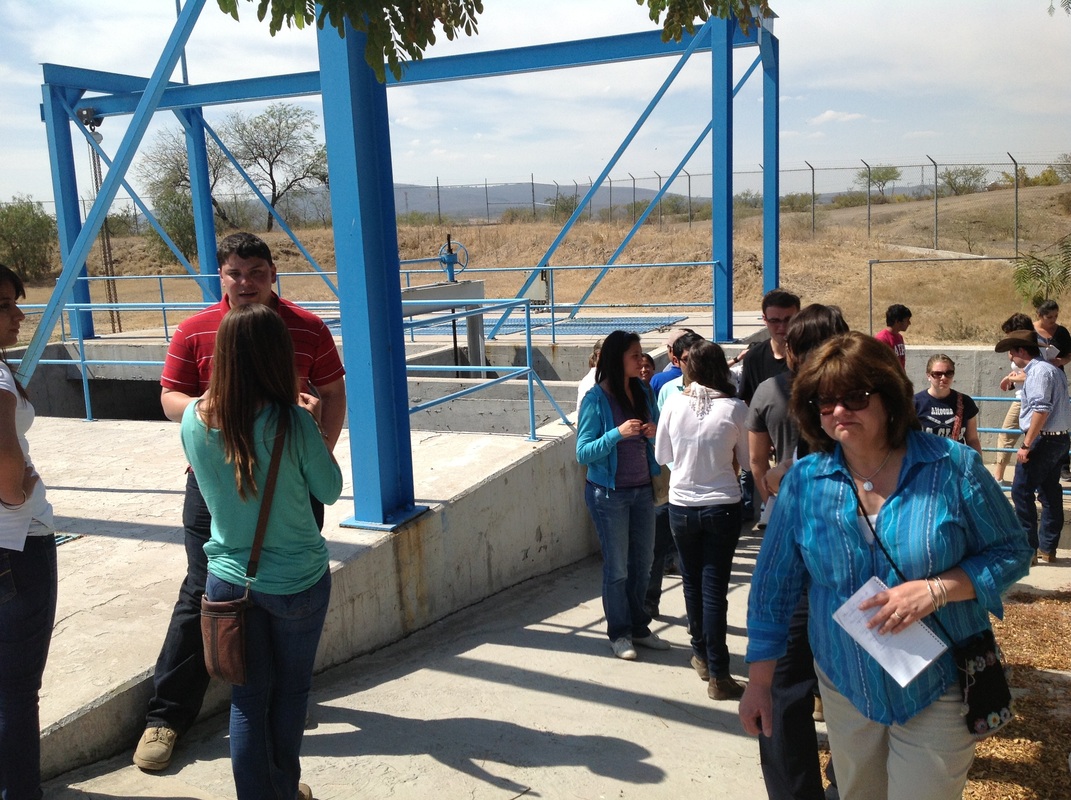
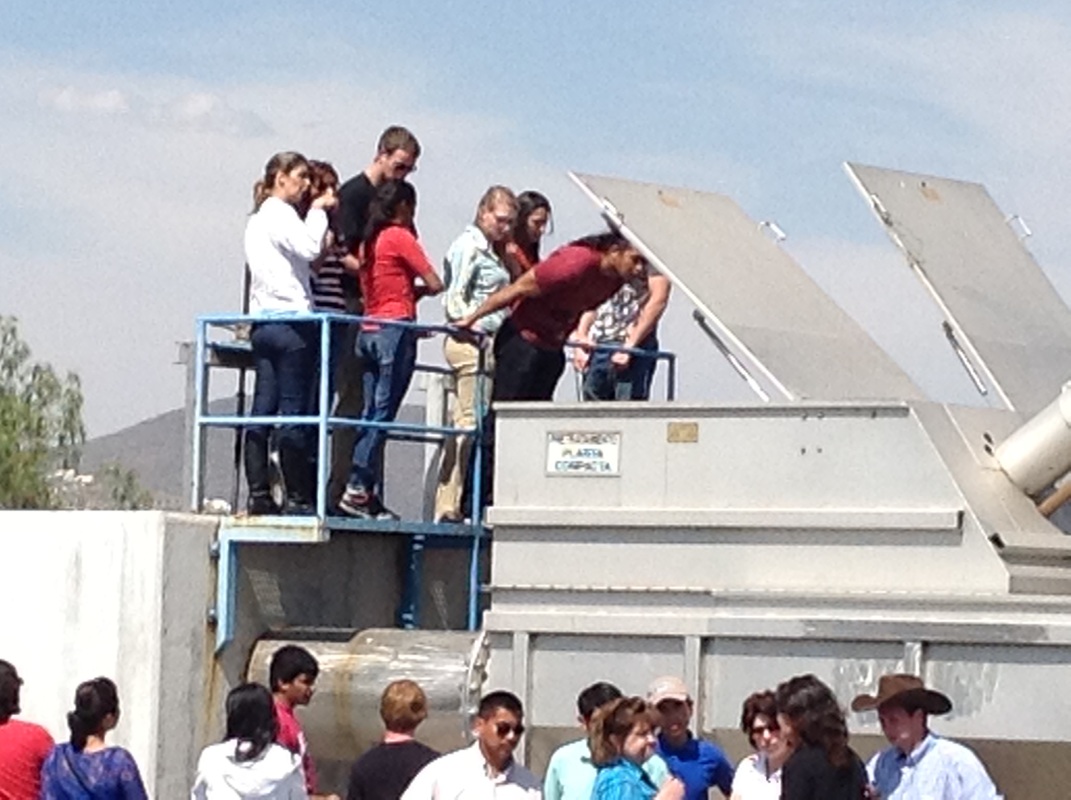
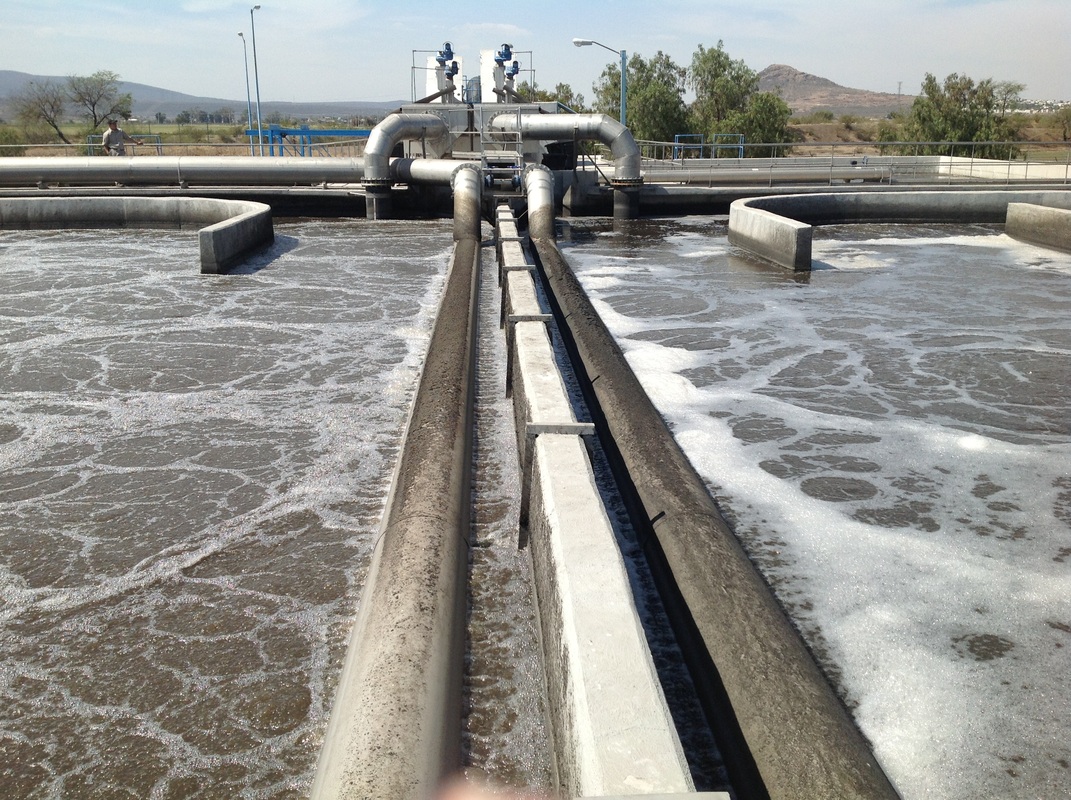
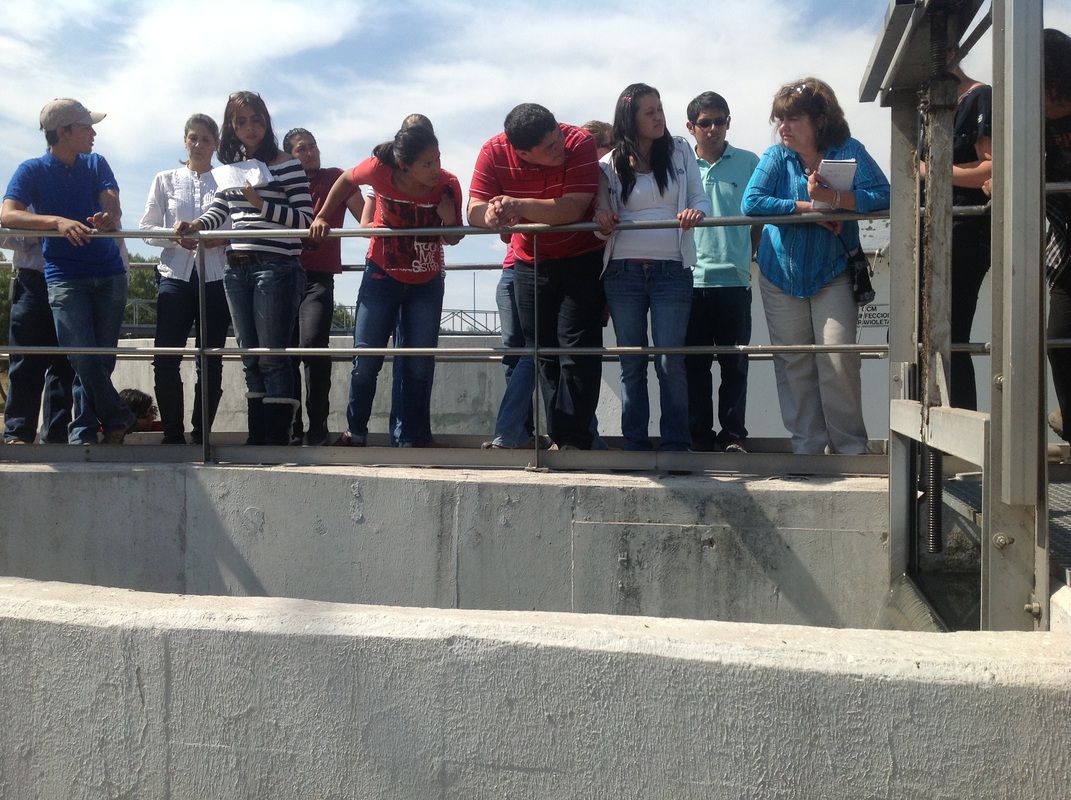
From the ranch, we drove to a nearby water treatment plant in Irapuato, probably the most aromatic parts of our field experiences. We learned about the four-step process for water treatment and got to go into each of the areas to look at the processes up close. By the end of the fourth step, the water is clear enough to be released back into the rivers and streams for agricultural consumption. It was an eye-opening experience for students, many of whom had never been to a water treatment facility in the United States
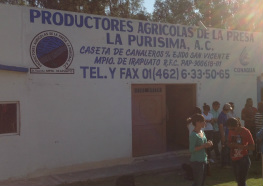
Our last stop---the Purisima Dam. Although we did not see the actual dam, we got a chance to hear from both the manager and the secretary of the farmers’ association that regulates the water for the region. It was interesting to be introduced to so many issues about water and water consumption and how it not only impacts Mexico but the United States as well. Sam reminded us that if we do not work together to solve water problems and issues, we will certainly be impacted by the lack of produce and other products coming from Mexico.

Another good day of working together with the University of Guanajuato to explore environmental and ecological issues. Our work over the remaining two days will be to begin looking at solutions to these problems. Tomorrow, we visit the Green Giant Plant and a local food processing company.

Remember to visit the students' blog about the trip at http://mexicoblog2013.wordpress.com/
 
 
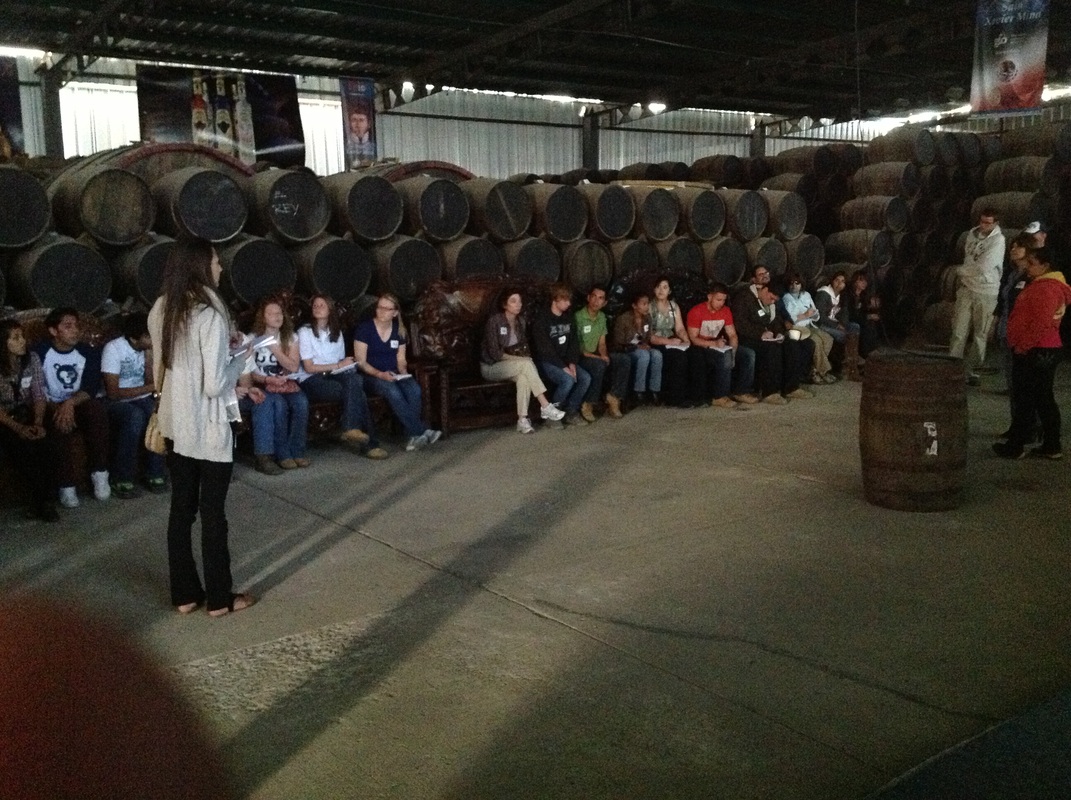
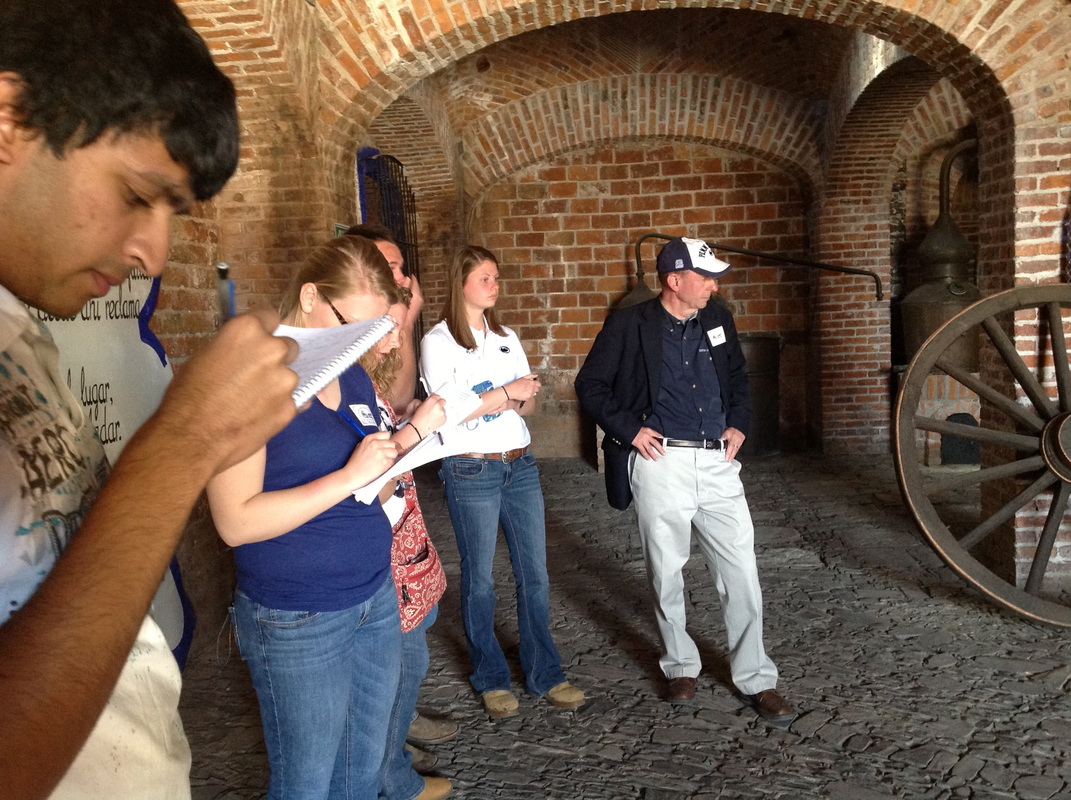
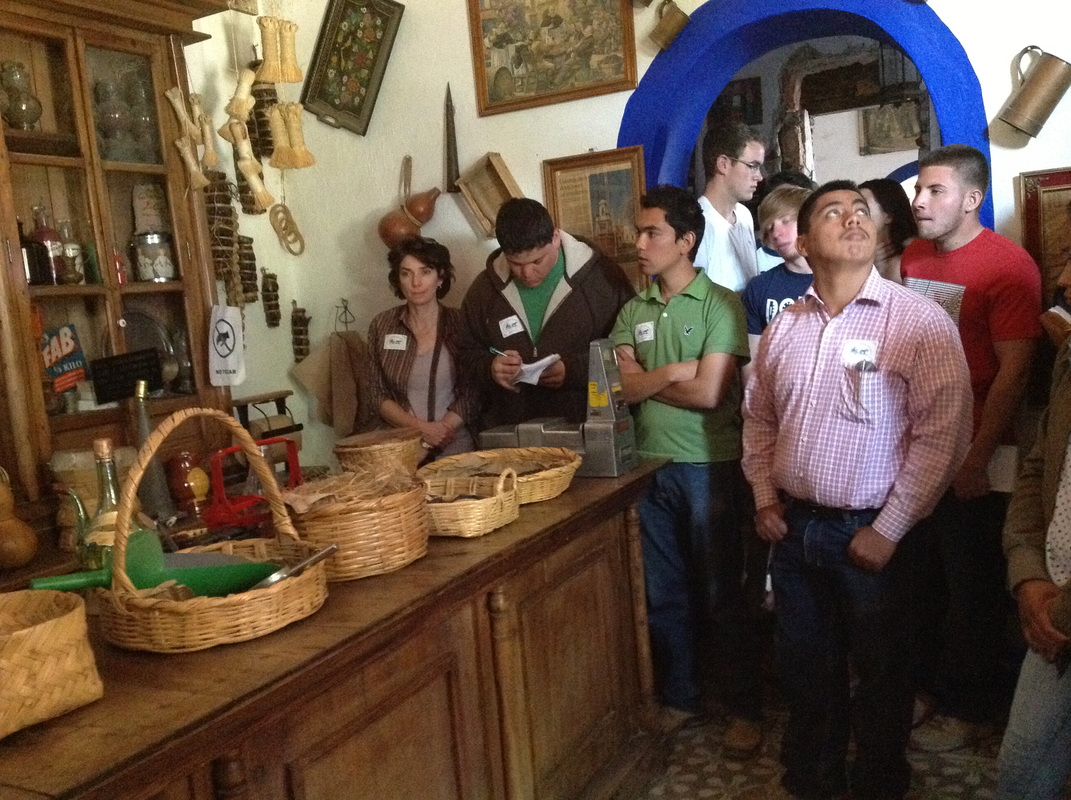
The day began in the vans going to the Irapuato campus to pick up the UGto students. We all loaded onto the bus and headed to the Corralejo Hacienda, which is now a tequila factory but is also known as the birthplace of Miguel Hidalgo. We went on a tour of the factory including its production operations as well as its museum.
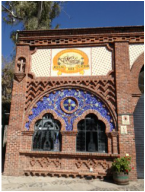
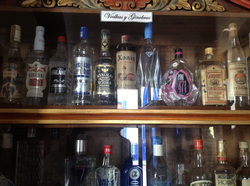
The Hacienda boasts one of the biggest wine and bottle collections. On the outside of the building you can see the shards of bottle glass that decorate the archways, and on the inside, the windows are made of different colored recycled bottles. We started the tour in the barrel room with those windows and were introduced to how tequila is processed and bottled. It was interesting to hear about the end product of the Agave plants we talked about yesterday in the field.
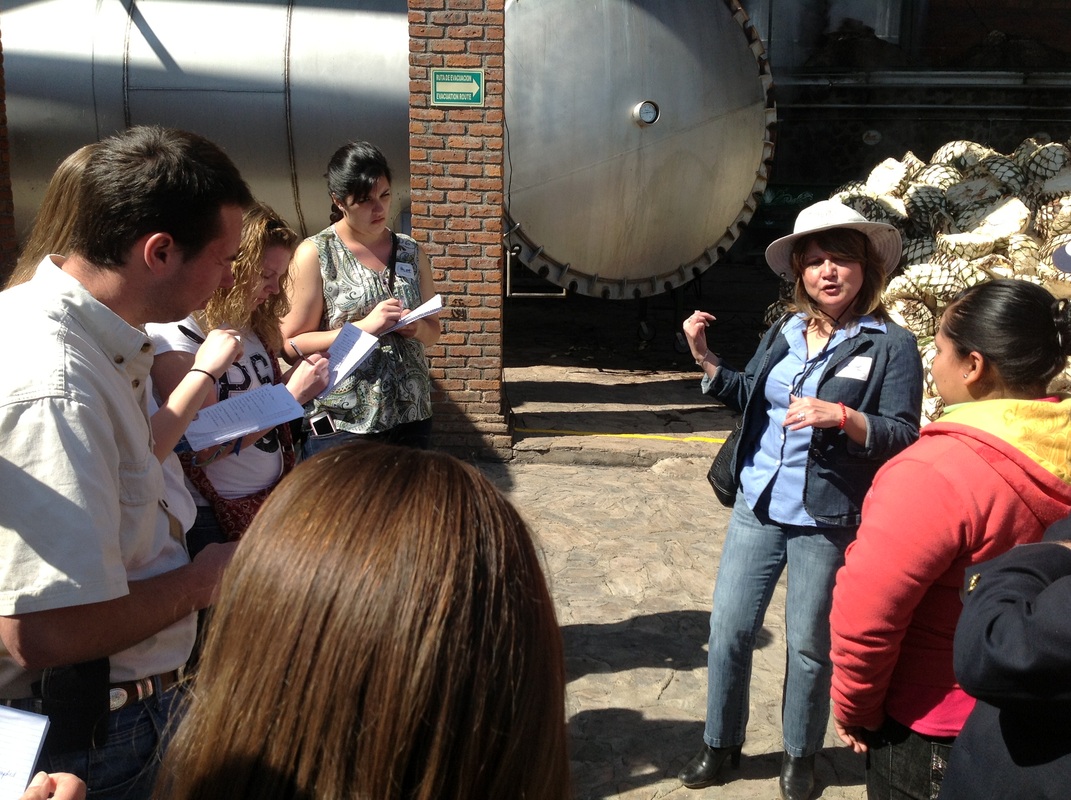
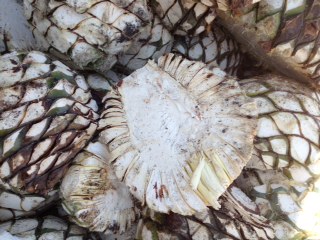
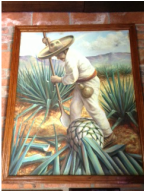
The piñas are the crown of the Agave tequiliana plant and are what remains after the leaves and roots are removed. The piñas are placed in large ovens that can hold 25 tons of plant material and are baked for 27 hours.  Next they go to an autoclave and steamed under pressure for 12 hours. From here they go to the mill where they are thoroughly crushed to extract all of the sugars.
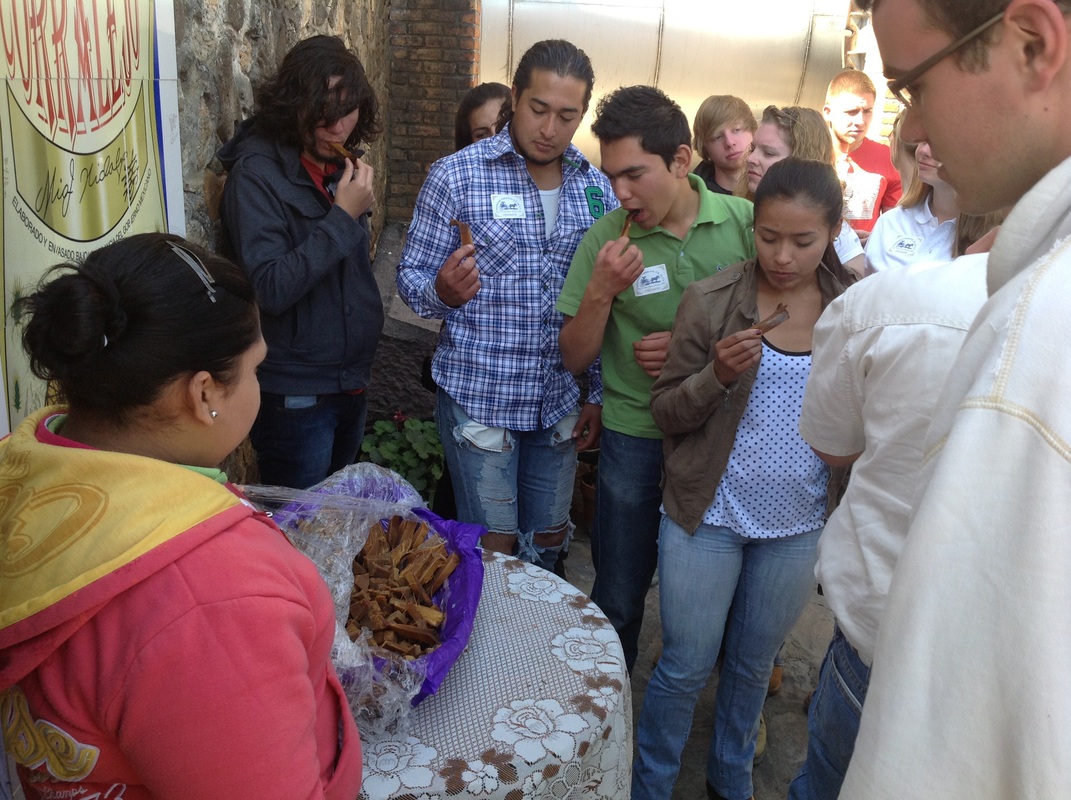
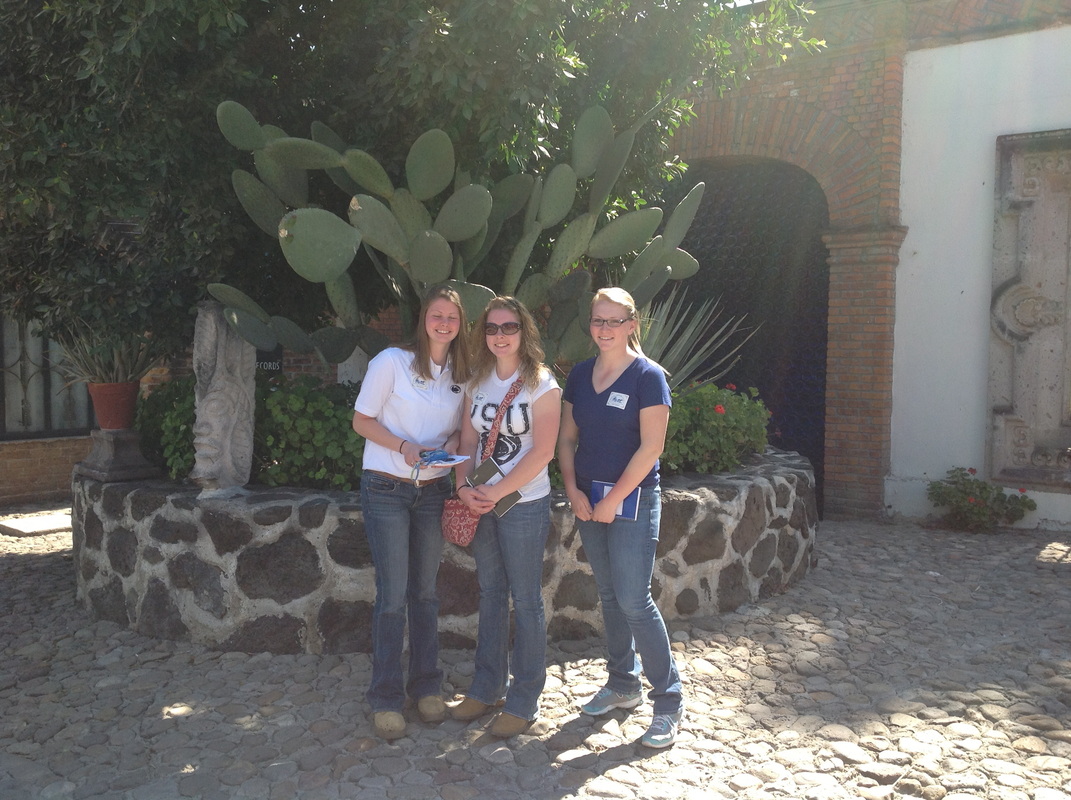
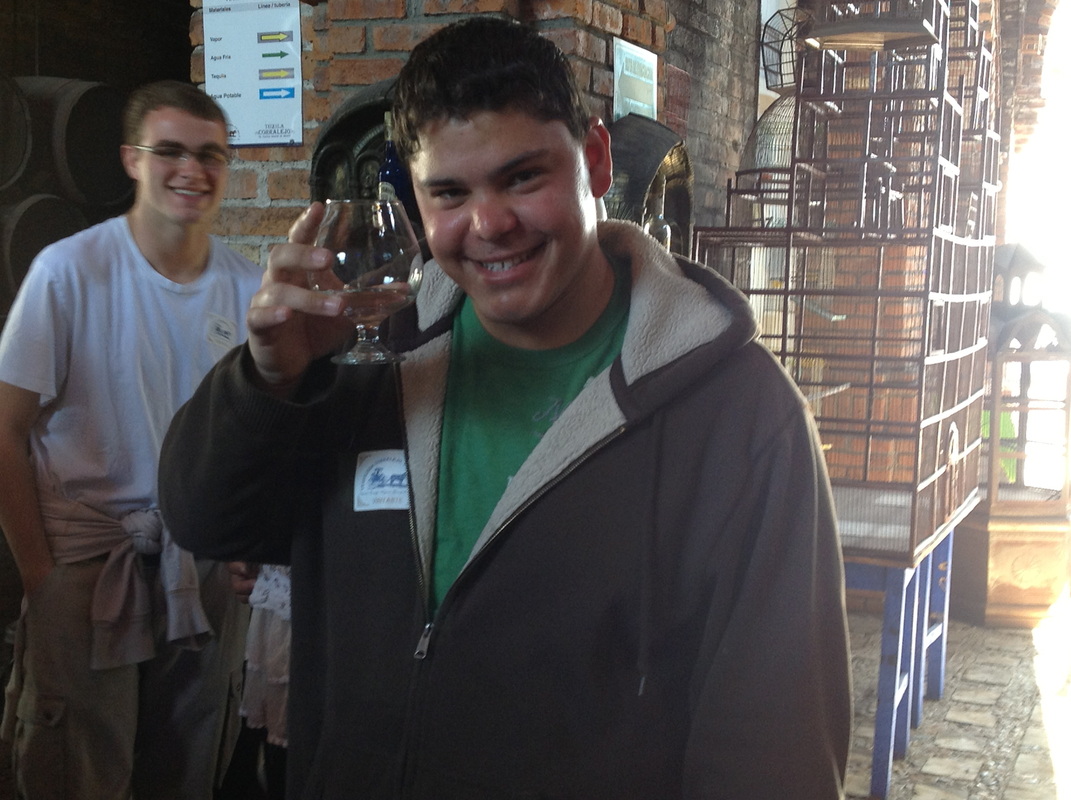
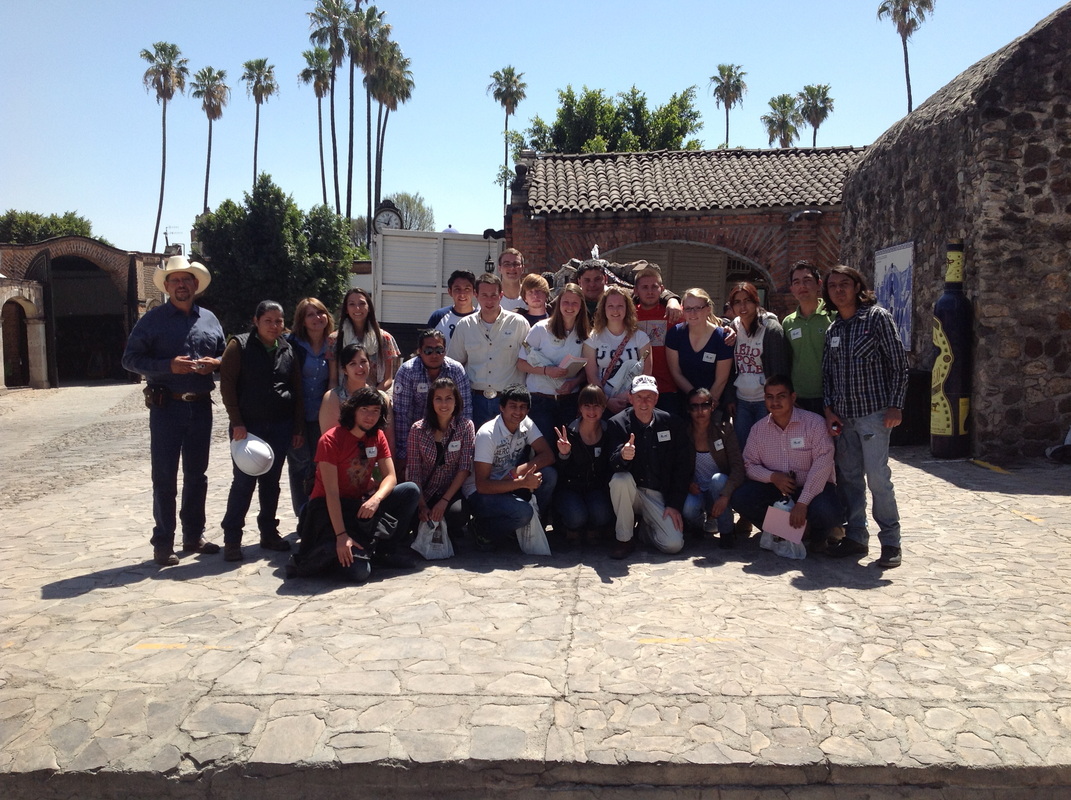
Once the tour was over, we got a chance to taste some of the products and then have our picture taken in front of the Hacienda's fountain.
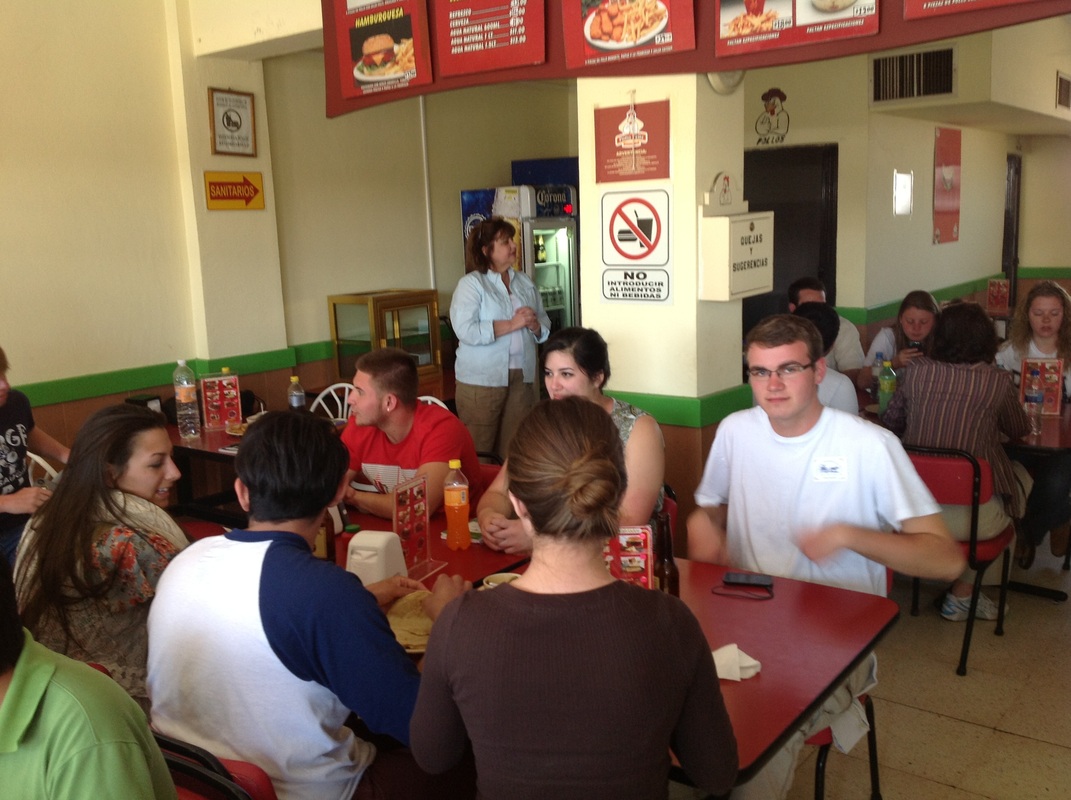
Next up: Lunch in the rural town of Penjamo at the Feliz Pollo (Happy Chicken), Mexico's version of fast food.
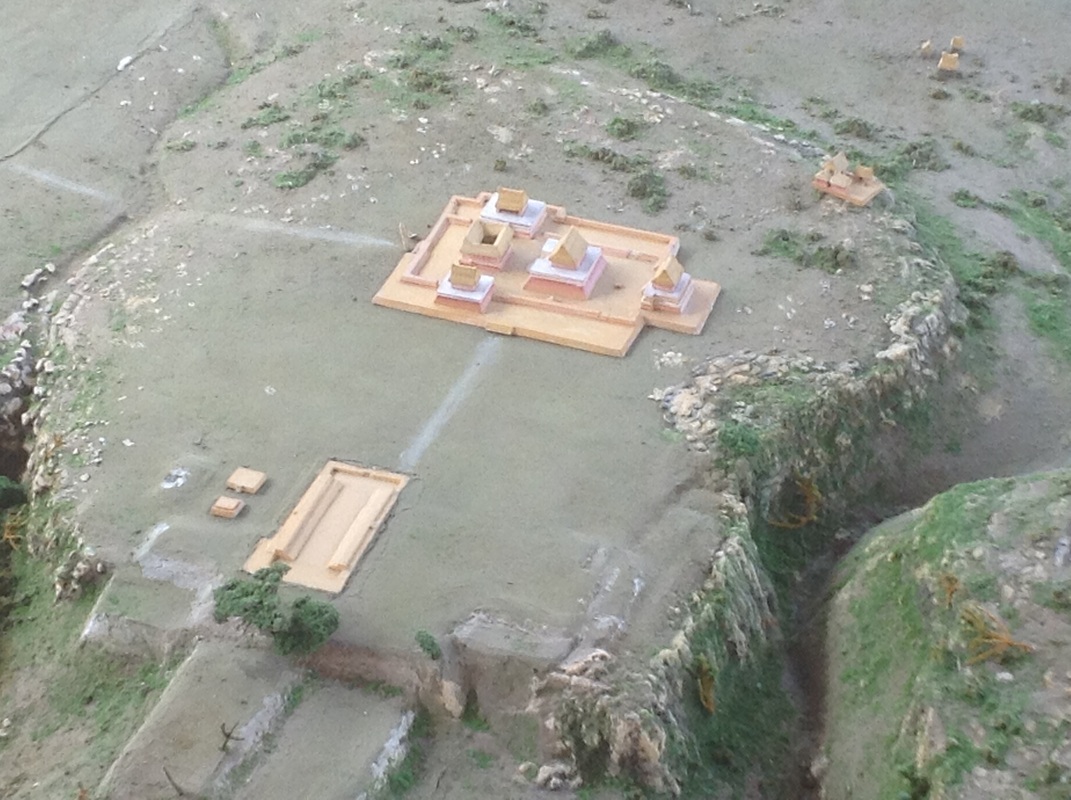
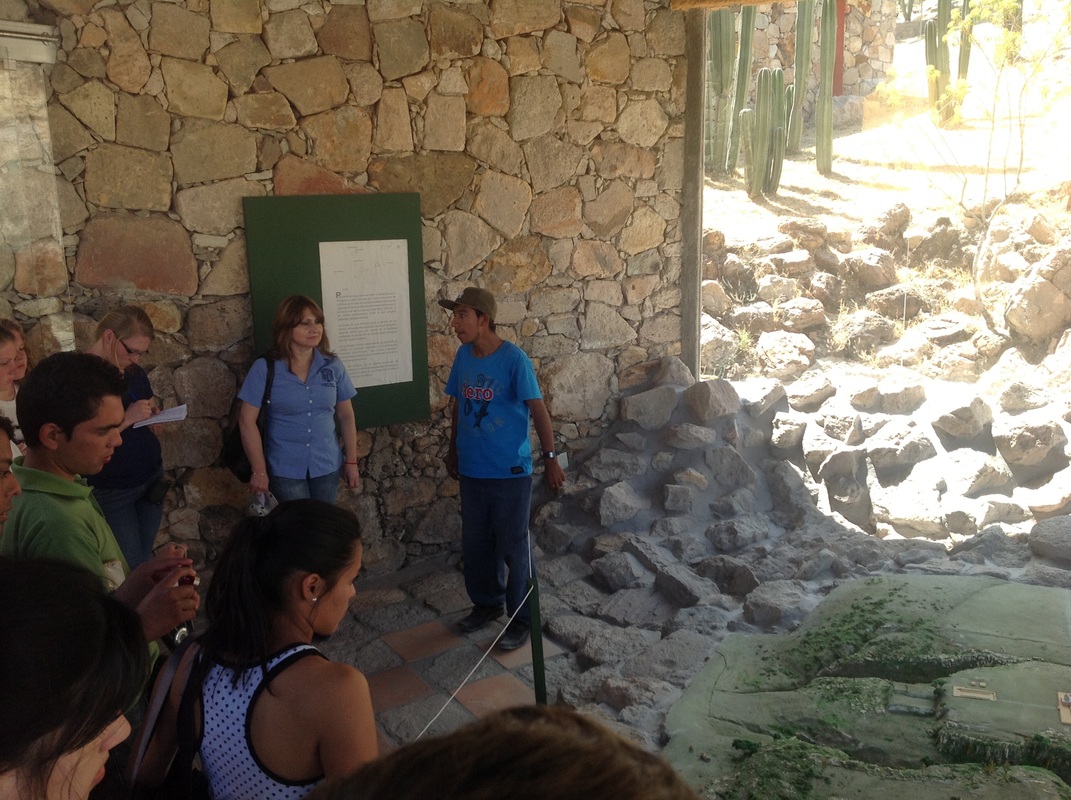
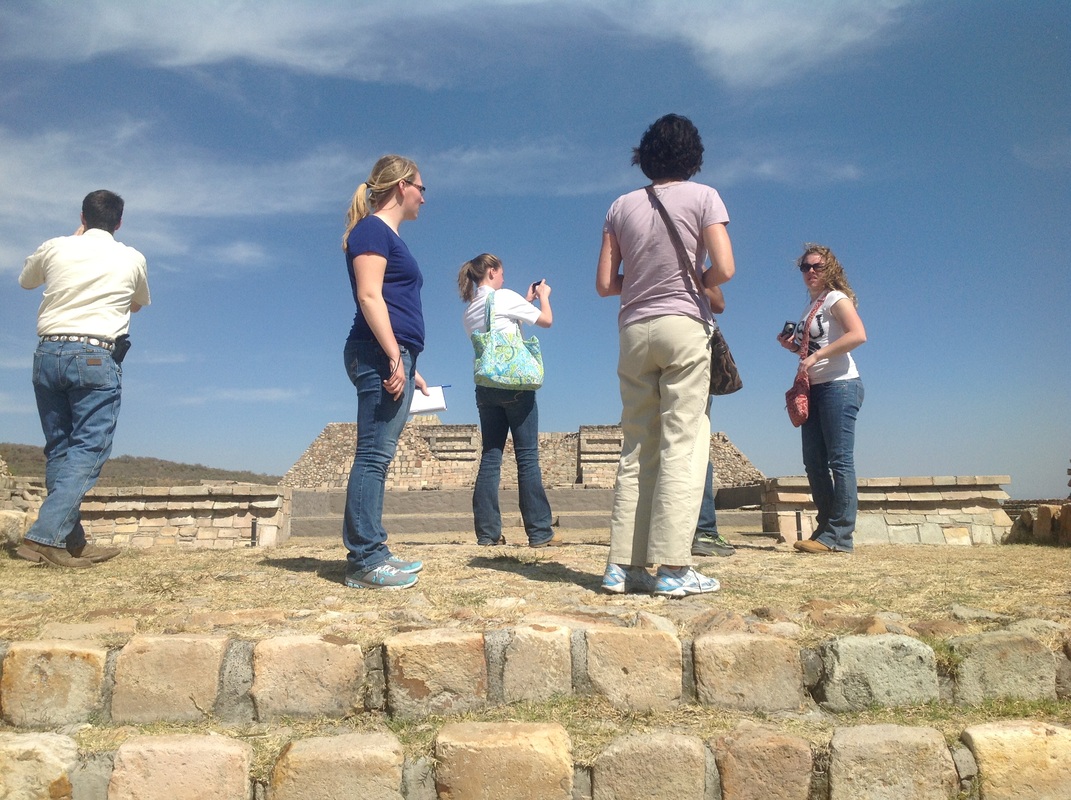
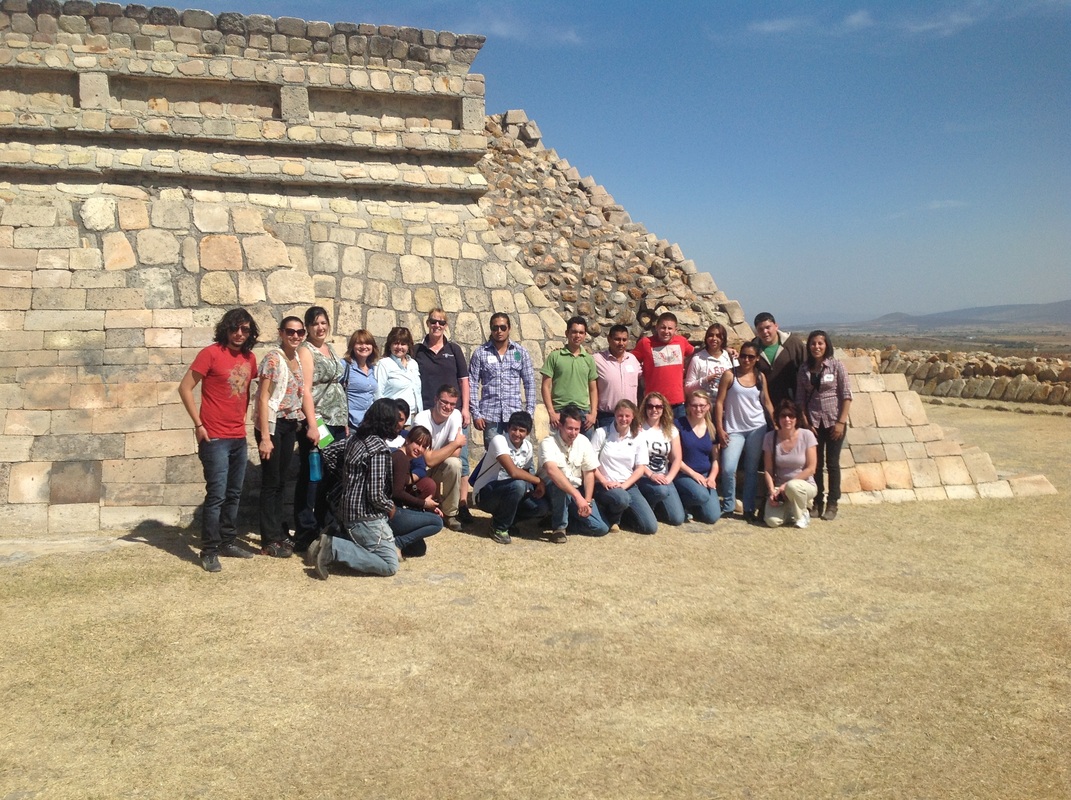
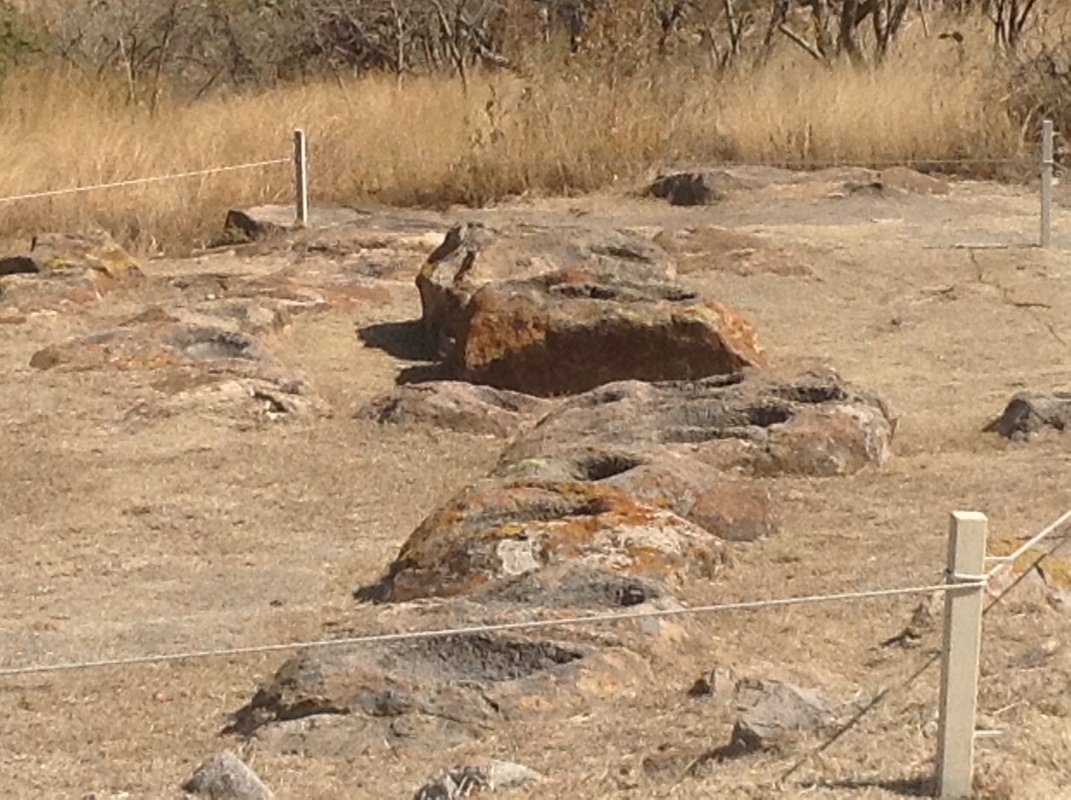
Then we hopped back in the bus and went to the Peralta Pre-Hispanic Indian Ruins. This ancient site was only found in 1999 when the gas company was looking to put a pipeline through part of the hills. What they uncovered was a "village" (see replica to the left) for local Indian tribes between 300 and 700 AD. "According to archeologists the city declined and collapsed due to the overexploitation of the surrounding deciduous rainforest and it was abandoned around 900 CE. The site occupies 150 hectares divided into a center with five surrounding settlements. The most important structure is called the "Patio Hundido" (Sunken Patio), whose name comes from the four pyramids that are at the corners" (Wikipedia, Guanajuato).
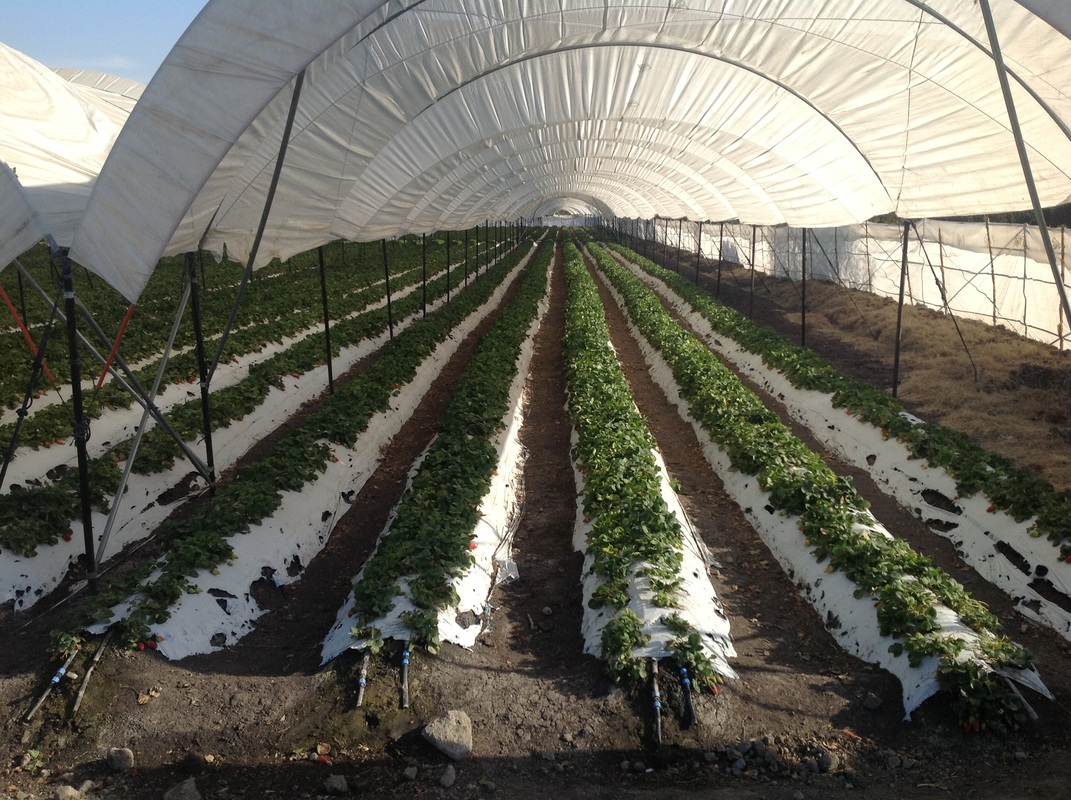
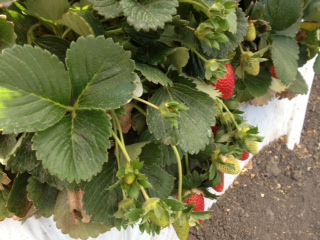
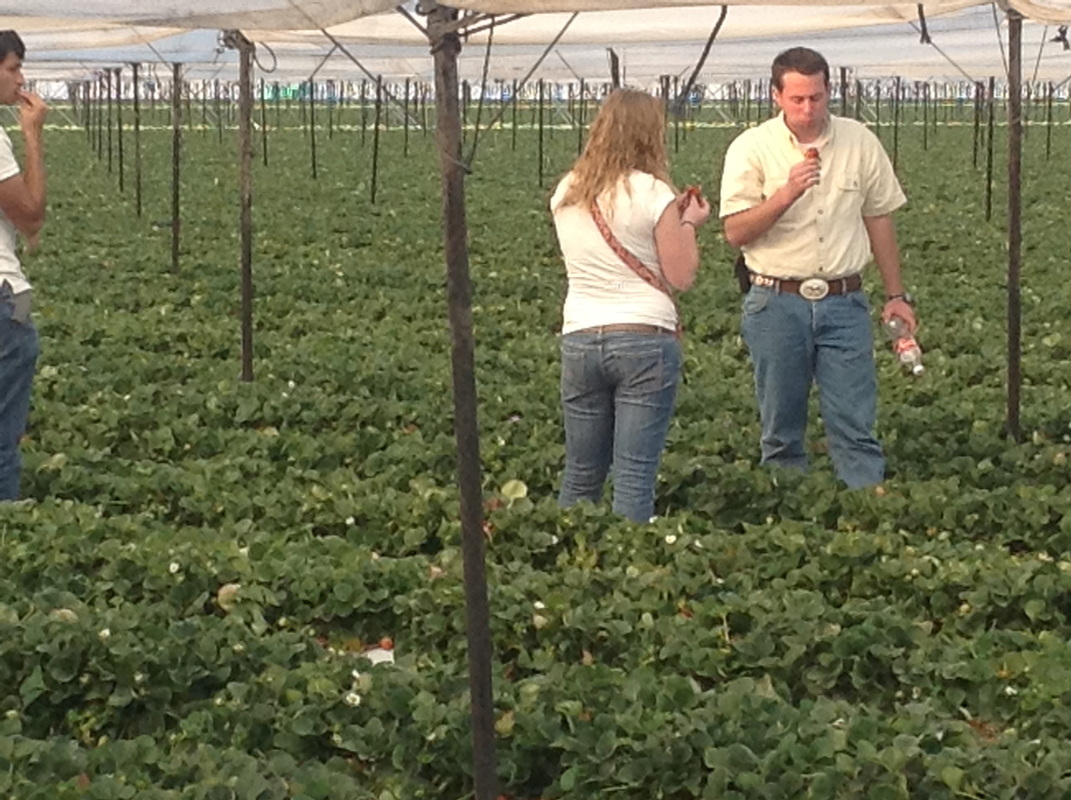
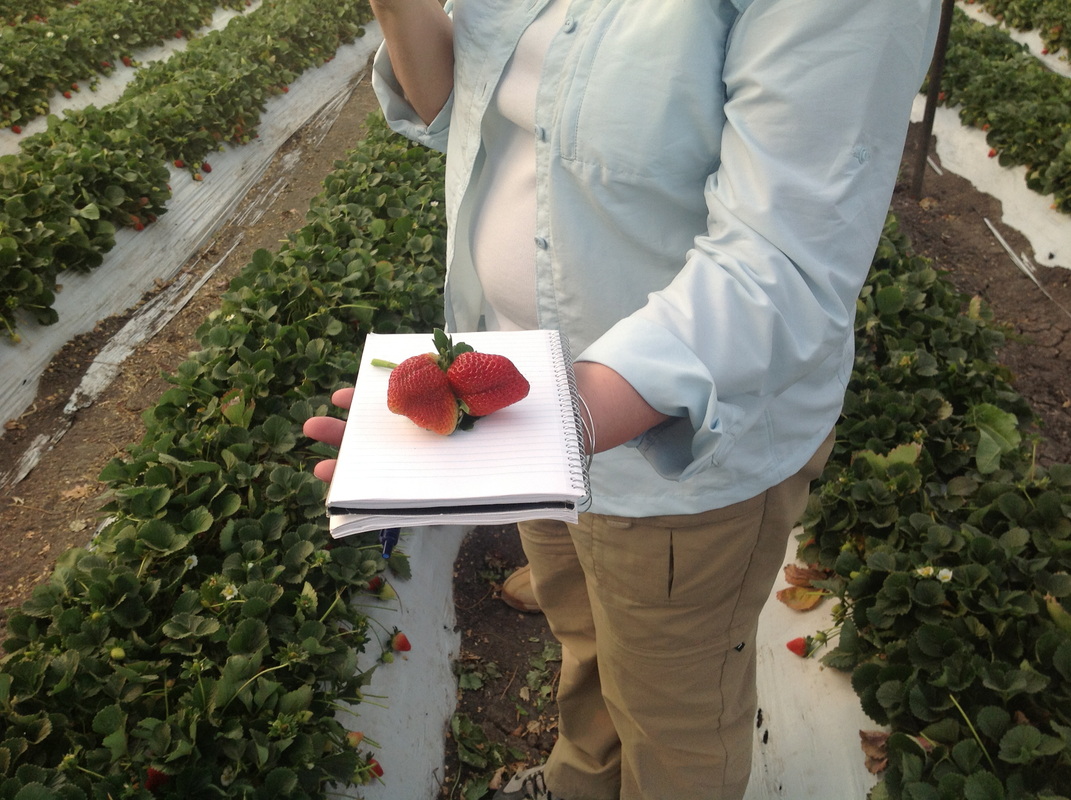
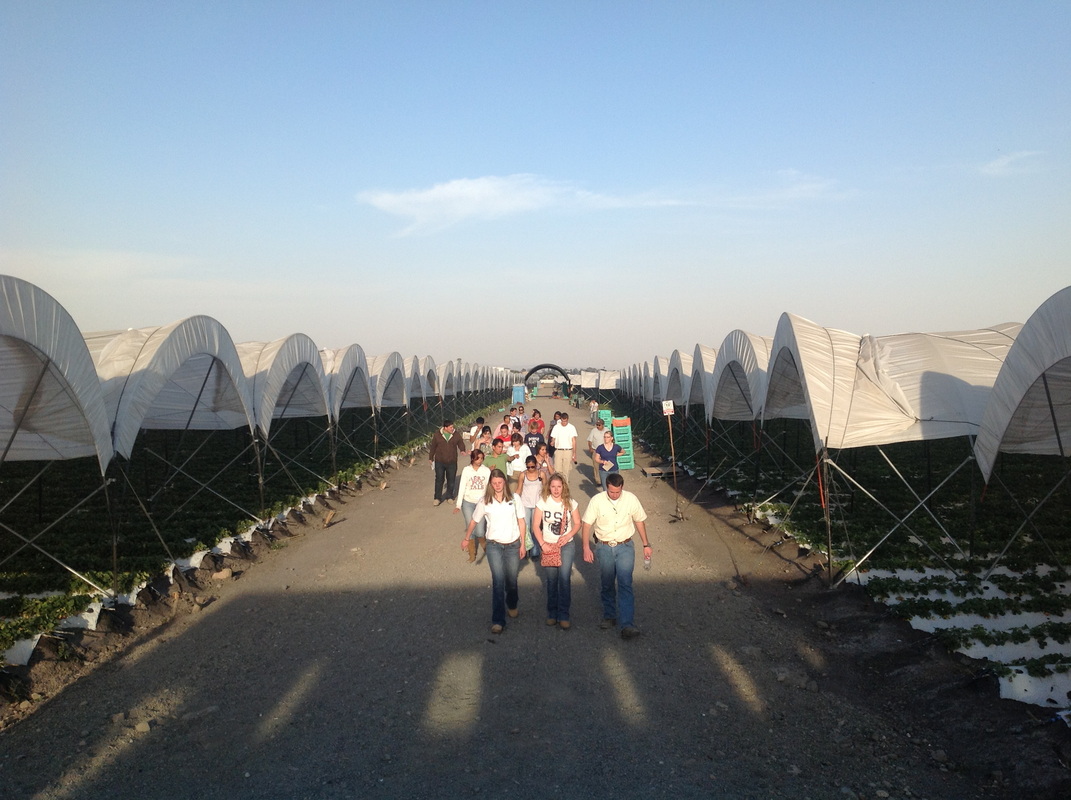
Our last stop: Field and High Tunnel Strawberry Cultivation. We drove to a large strawberry production field where the Chancellor from Irapuato joined us to talk about this important agricultural plant for Mexico.
Another long but educational day. Tomorrow we are back to the classroom at the Irapuato campus to learn about 21st century water issues (ecology, aquifer depletion, hydrology, biodegradation-bioremediation) as well as visit the Purisima Dam.


Remember to visit the students' blog about the trip at http://mexicoblog2013.wordpress.com/
 
 
Picture
  After a very quick breakfast, we loaded the vans and drove to the Irapuato/Salamanca Campus of the University of Guanajuato. This campus is located about 30 minutes south from the city of Guanajuato and it houses academic programs in life science and engineering. Our session began with an introduction to the campus from the Chancellor, Dr. Ernesto Camarena. He provided a brief overview of the campus, the academic programs and some of the research that takes place there. A small group of students from the campus joined us in this presentation and our eventual work for the day.

  We then heard from Dr. Rafael Ramirez Malagion (top right), who presented information about cacti, which were originally from Mexico. There are now 1,600 species, 60% of them are found in Mexico, many of which are endangered because of ecosystem degradation and poaching from collectors who will pay high dollars to have these different cacti in their collections. The faculty in Life Sciences are researching methods for producing these plants in labs (in vitro).
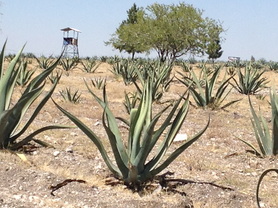
  Next we heard from Dr. Luis Parra-Negrete (bottom right) who presented information about Agaves. There are 900 different species of Agave and over 100 uses of this plant including food, medicine, and construction. The most famous use, as most of us know, is in the production of tequila, but Luis explained to us that the agave used to produce this liquor is from one variety only.
  After the presentations, the Chancellor again welcomed us to the campus and told us that "we have experienced climate change and three years of severe drought. However, we won't go to sleep or cry--we will work."
  Dr. Juan Frias Hernandez (left) presented next and told us about the research the faculty are conducting about mesquites, which he says is the most important plant in Central and North Mexico because it can tolerate low moisture, low fertility and poor soils. Once the mesquites are established, a whole ecosystem builds itself around them providing cover for plants, animals and microorganisms. There are many important uses of mesquite (besides adding them to our charcoal grill fires), such as firewood, animal feed, furniture, paper, honey and medicinal purposes.
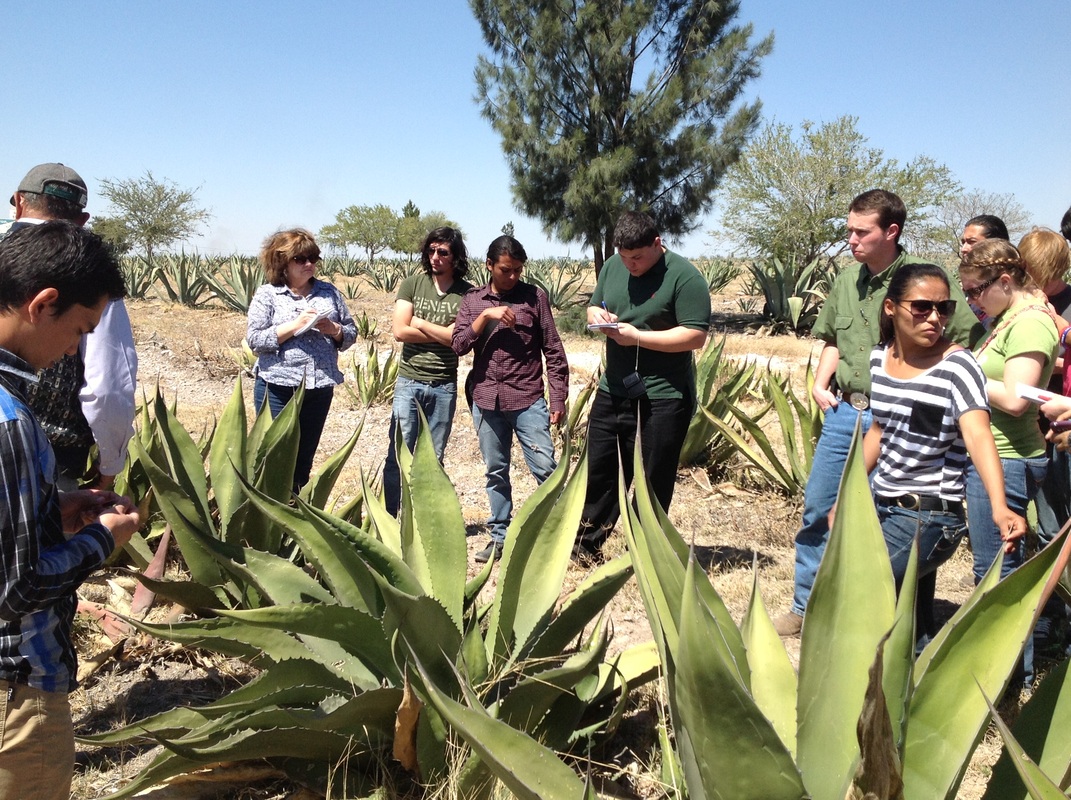
From the classroom (which was a dedicated Penn State classroom at the campus), we moved to the campus' Agave Center where they are collecting, conserving, and protecting the Agave genome. Their purpose is to promote the uses of different species rather than just promoting and growing the one that is used for tequila production. In the field, Luis introduced the students to a variety of plants and how they could be used.
Sam Hayes explaining the importance of Agave.
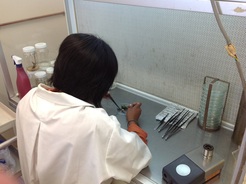
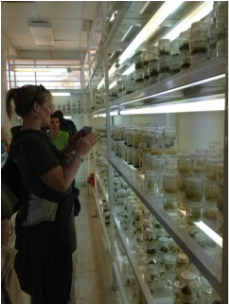
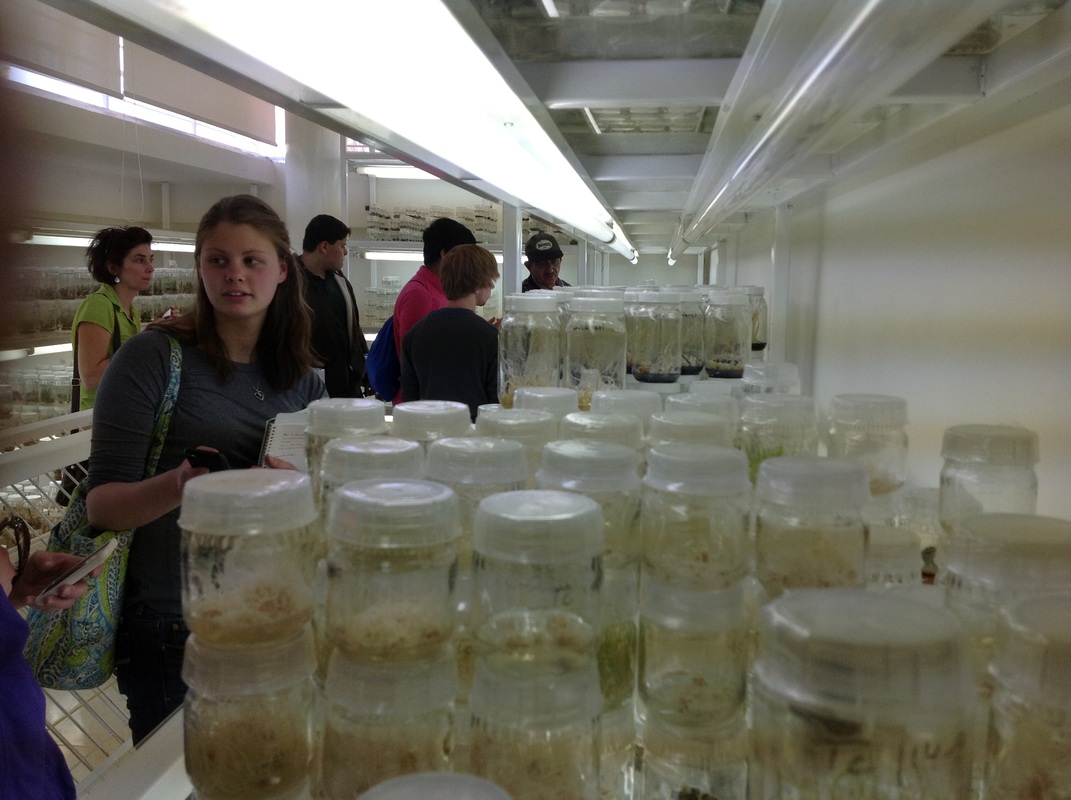
After we left the Agave Center, we went over to the Life Sciences laboratory to see what researchers are doing to cultivate different plant species.
Aguameil (the sugar water in the inside of the cactus)                   Inside the plantlet lab
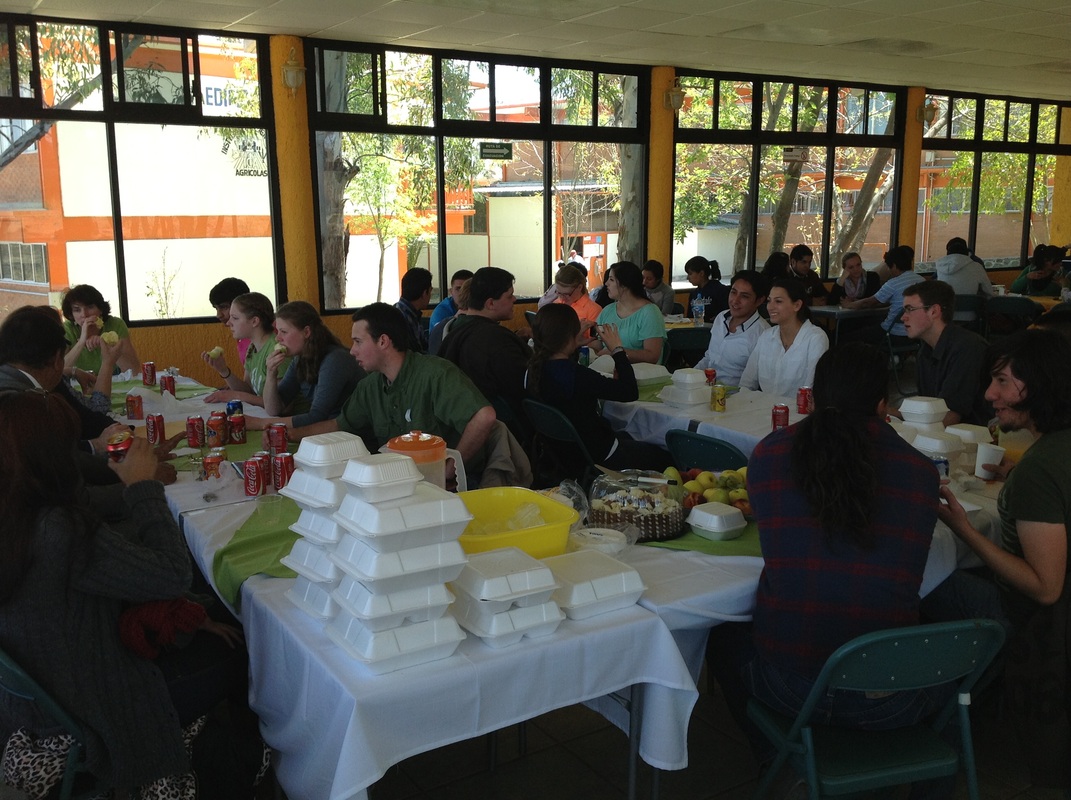
After our tour of the lab, we went back to the campus and had lunch together in the cafeteria (above) before we headed out to the National Agave Center which consists of fields of a variety of species. 
We spent close to two hours in the field looking at a variety of Agave and cacti and having Dr. Ramirez explain a little about each of them.
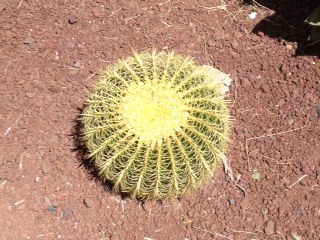
Cactus--referred to as the "mother-in-law's seat"
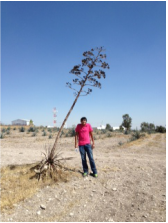
Bhavik by an old agave.
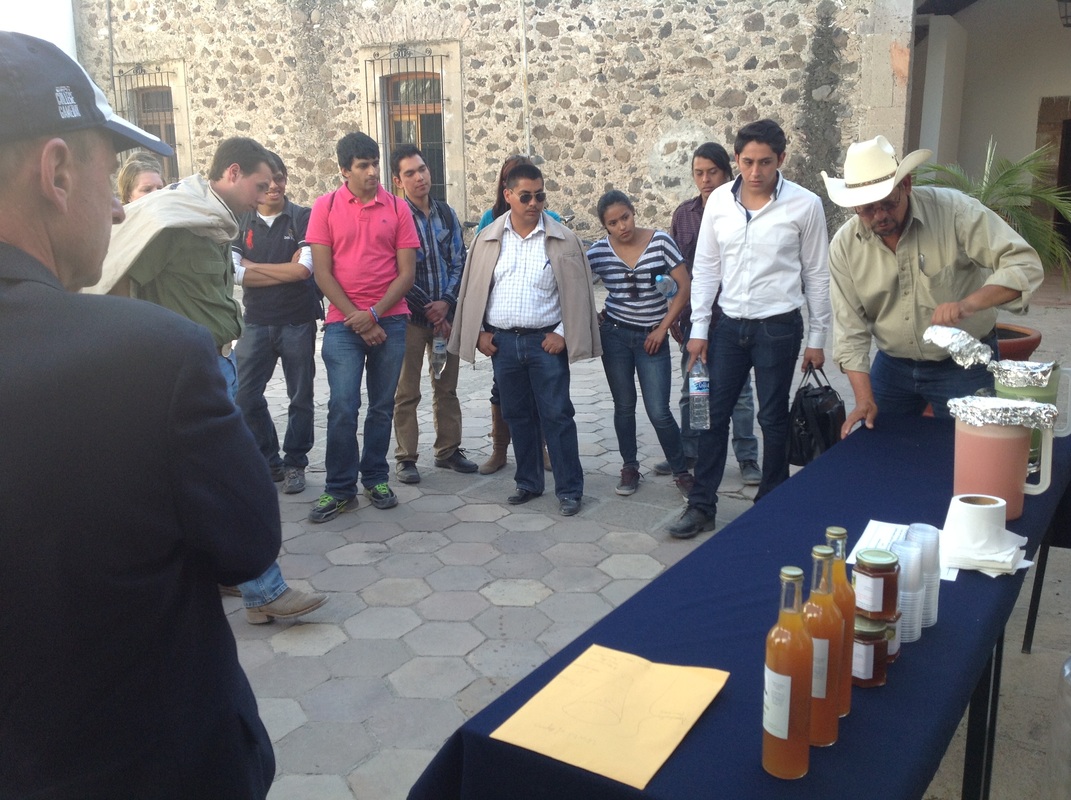
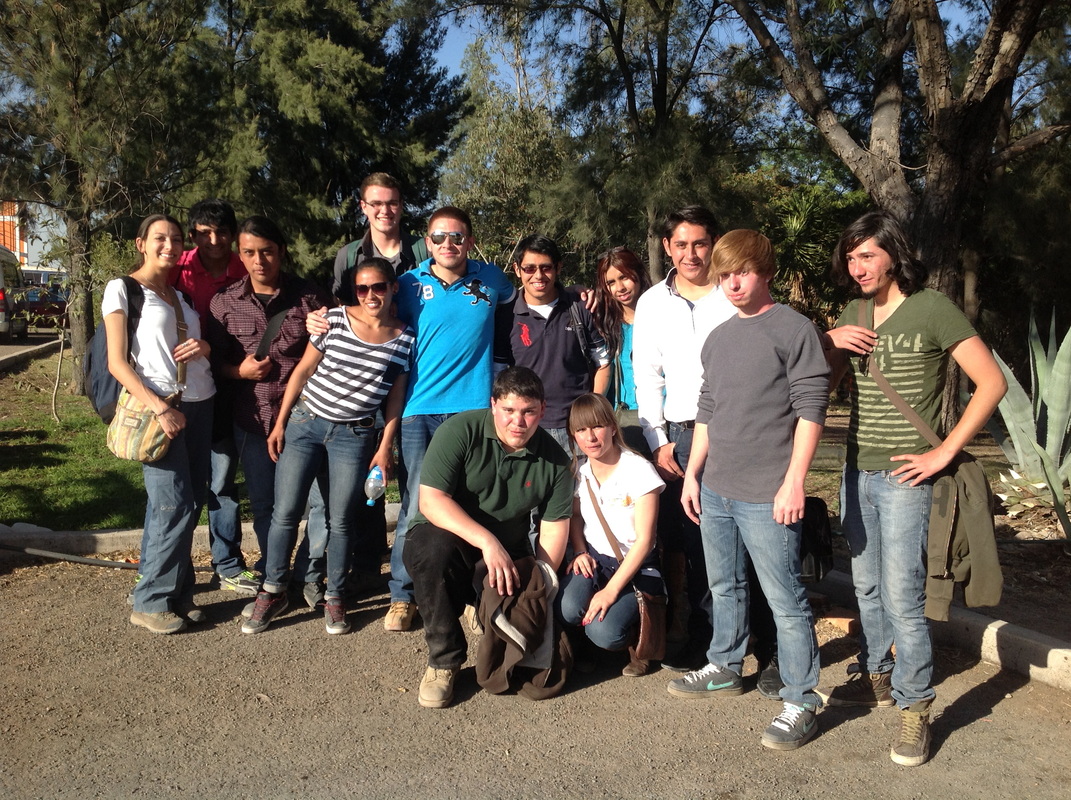
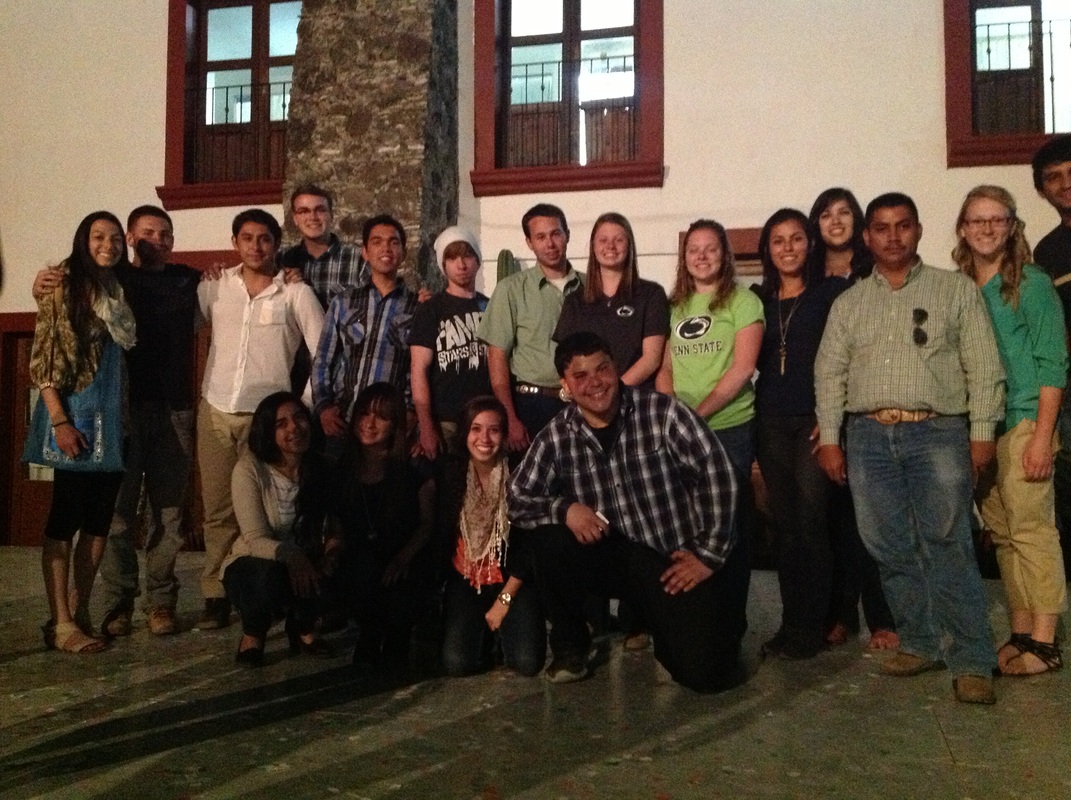
After our work in the fields, we went over to the "Hacienda Copal," which is the administrative building and courtyard for the University of Guanajuato at Irapuato. The students were introduced to various Agave products including pulque, meil (honey-like product) and alfalfa and strawberry tequila beverages. We then headed back to the hotel, but not before getting a picture of the students from the Irapuato campus and some of our students.
Tomorrow, we visit rural Penjamo and the Corralejo Hacienda (where tequila is made) as well as the Peralta Pre-Hispanic Indian Ruins.

Remember to visit the students' blog about the trip at http://mexicoblog2013.wordpress.com/
 
 
Picture
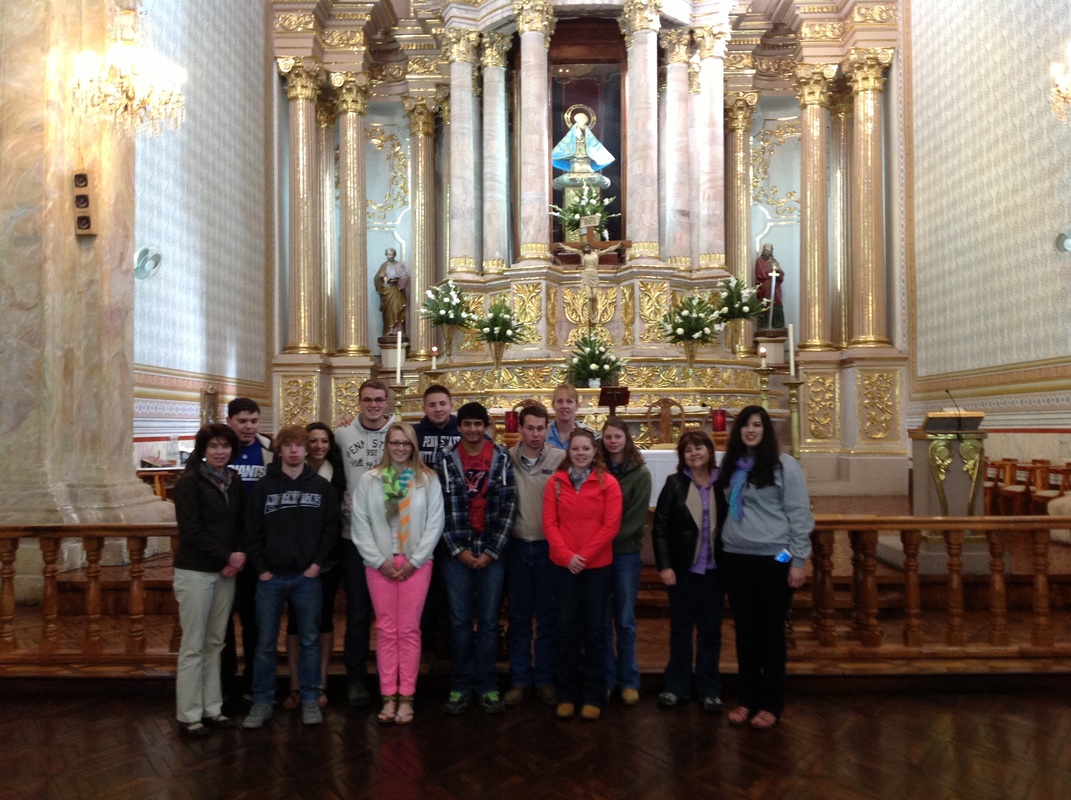
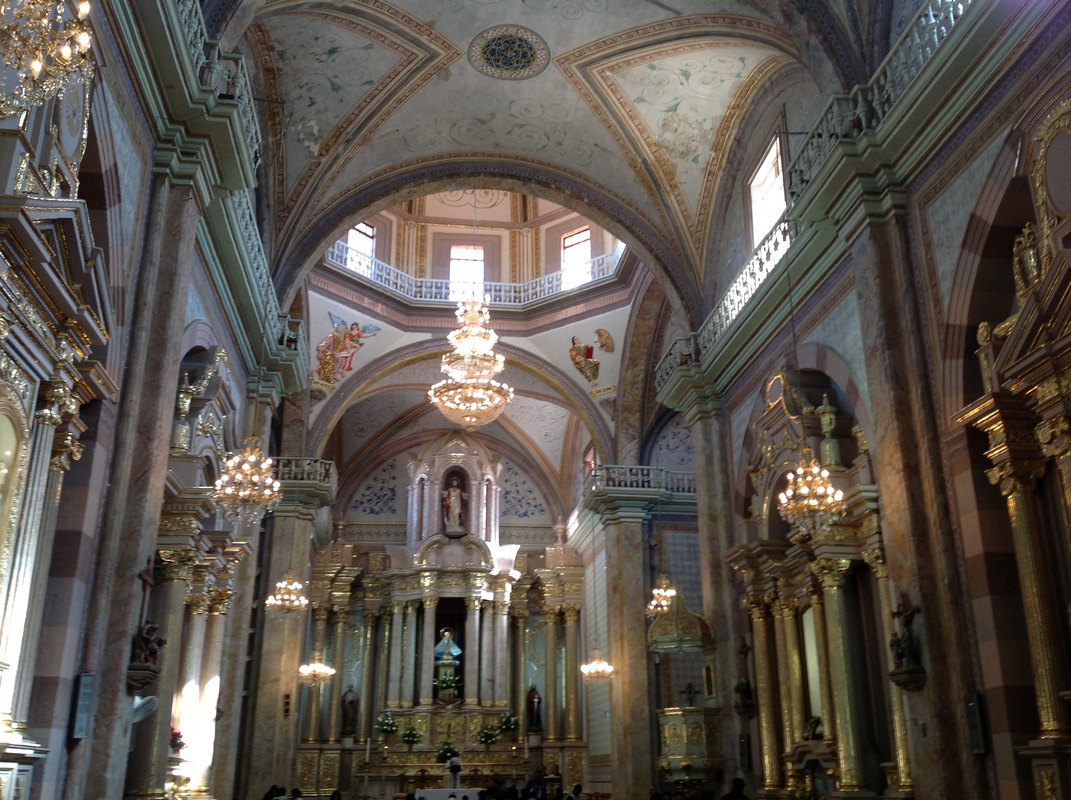
After breakfast, we headed off to Delores Hidalgo--the place where the fight for independence began. Formerly called "Delores," the name "Hidalgo" was added in honor of Miguel Hidalgo after Mexico gained independence from Spain. In the center of town, off the square, is the Father Miguel Hidalgo Church, which can be seen in the picture to the left and below. As Sam Hayes reminded us while we were there, the two reasons Spain came to Mexico were for the gold and silver mines and to spread Catholicism. Both of these are evident within the church environs.

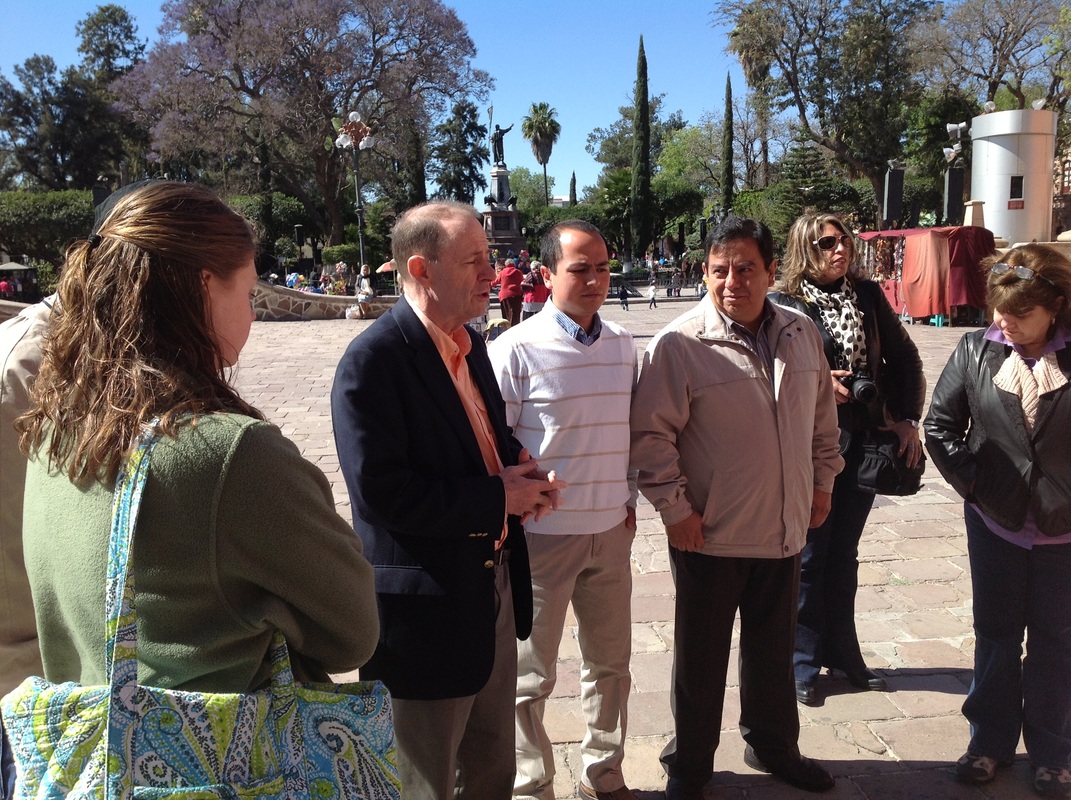
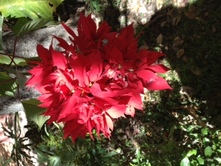
Outside the church, we met with a long time friend of Sam Hayes, Pablo Garcia and his son, Juan Pablo, who live in Delores Hidalgo, and they joined us for on our tour there. Next, we went to the home of Father Miguel Hidalgo to see a museum set up that recreated his time there. In the gardens were "poinsettias," which we have imported into the US and created a much larger version.
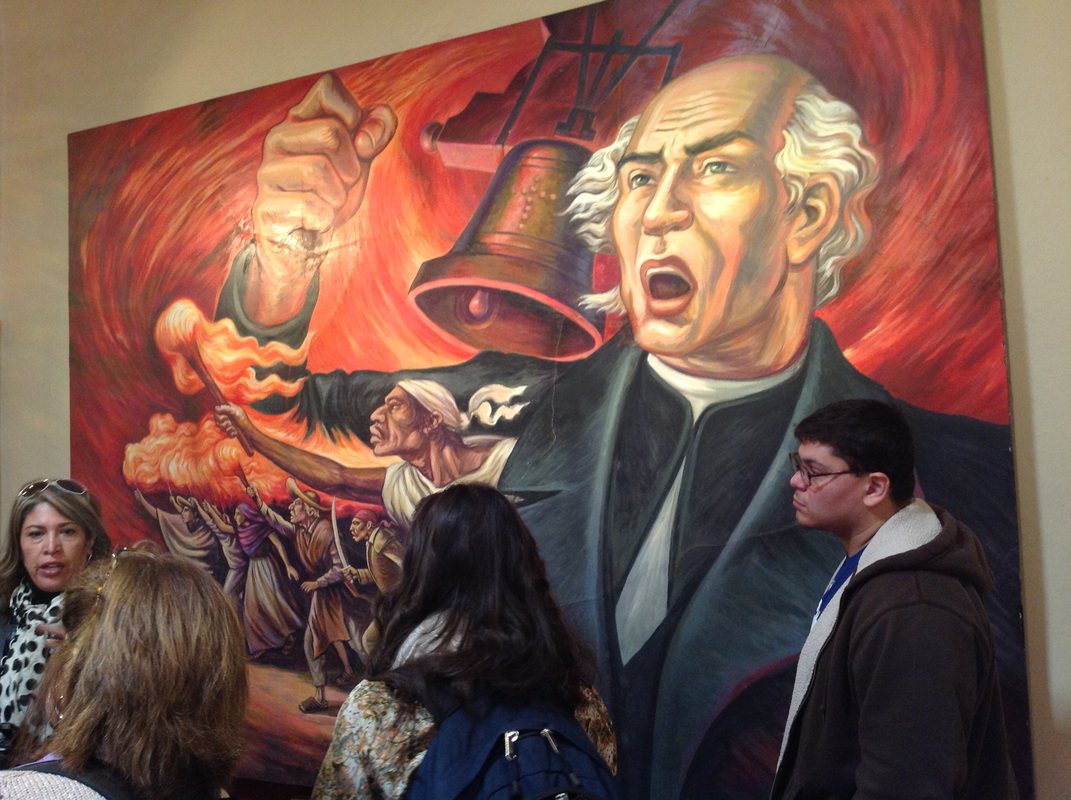
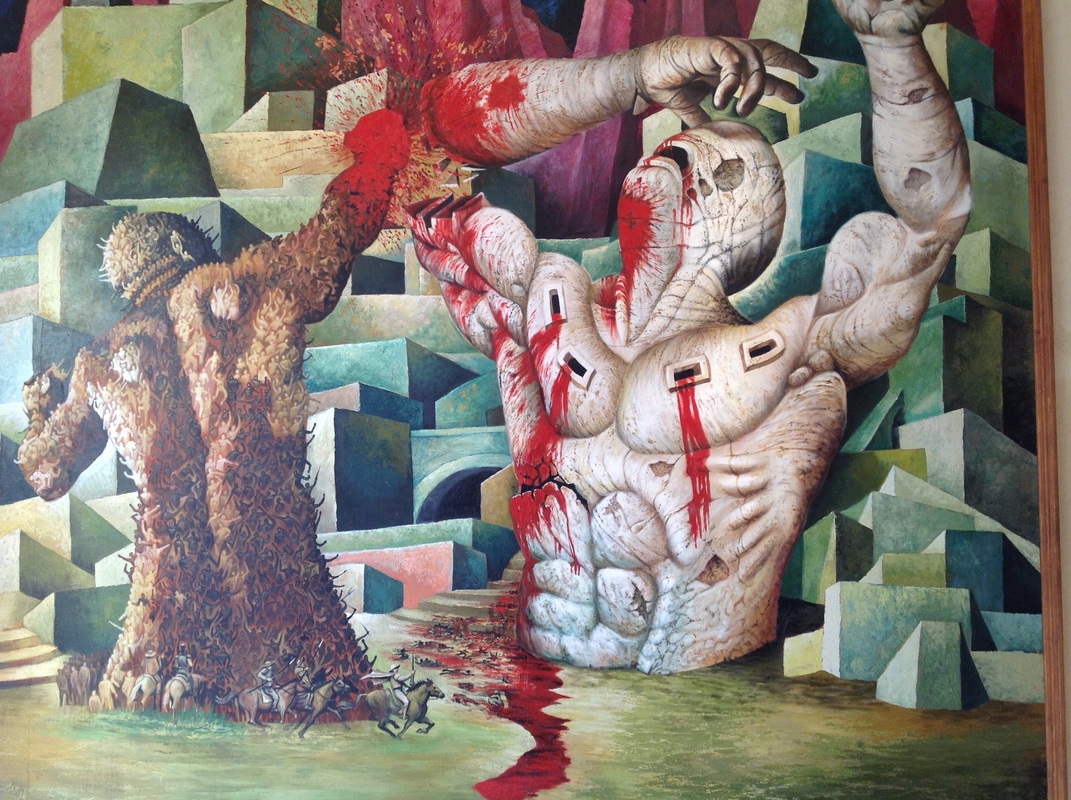
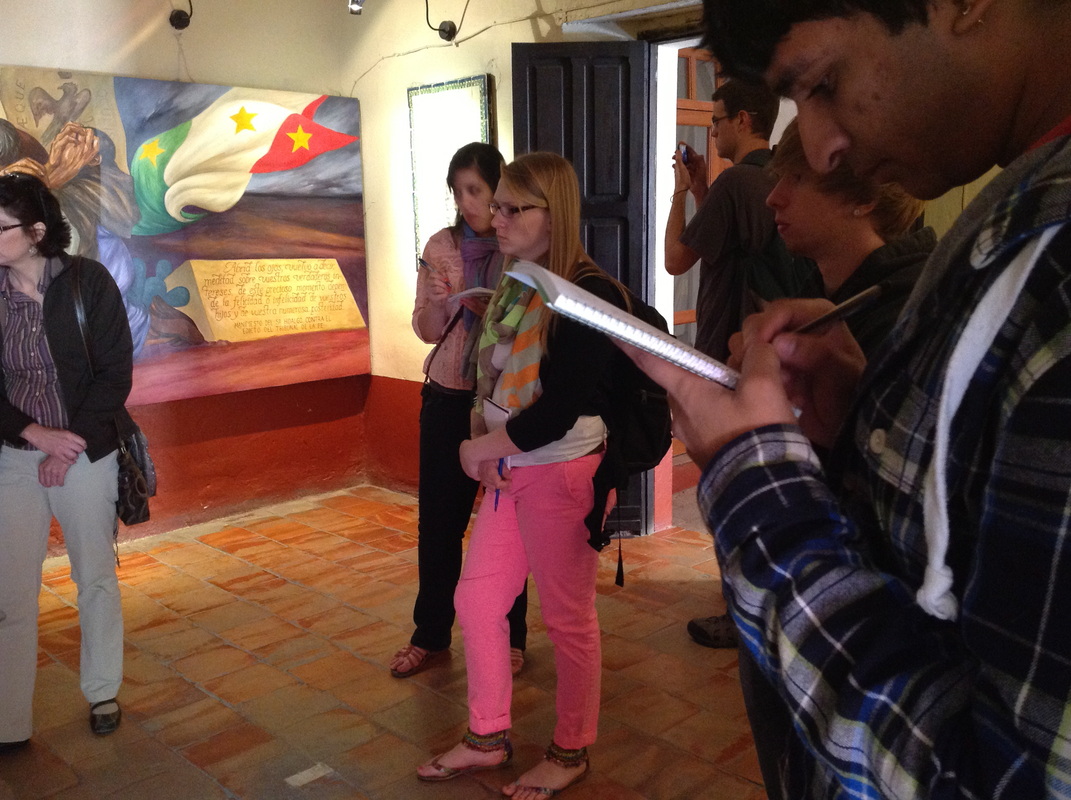
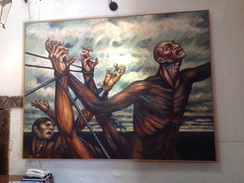
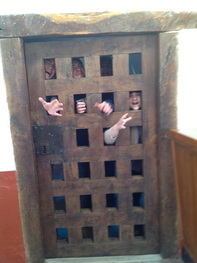
One of the more fascinating aspects of the trip was the tour of the Father Miguel Hidalgo Museum. As you enter this space, there is a mural depicting the initial struggle for independence (seen in the painting to the right). The story is that in 1810, Hidalgo called upon the people to revolt against the Spaniards. They broke into the jail in Delores (which is part of the museum) and freed the prisoners, many of whom were incarcerated for political acts. They put the Spaniards they had captured in their place. (We took a picture of the gate to the jail with some of the students and Dr. Kackley!)
The painting to the left above is of Miguel Hidalgo giving his infamous "cry of freedom" speech to the people to rally their support in overthrowing the Spanish government. The painting underneath it depicts the defeat of the Spanish, as represented in white by the "granary walls" controlled by the Spanish before Papila broke down the door and captured them, and the Mexicans on the left represented in the figure by individual people.
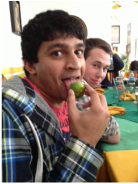
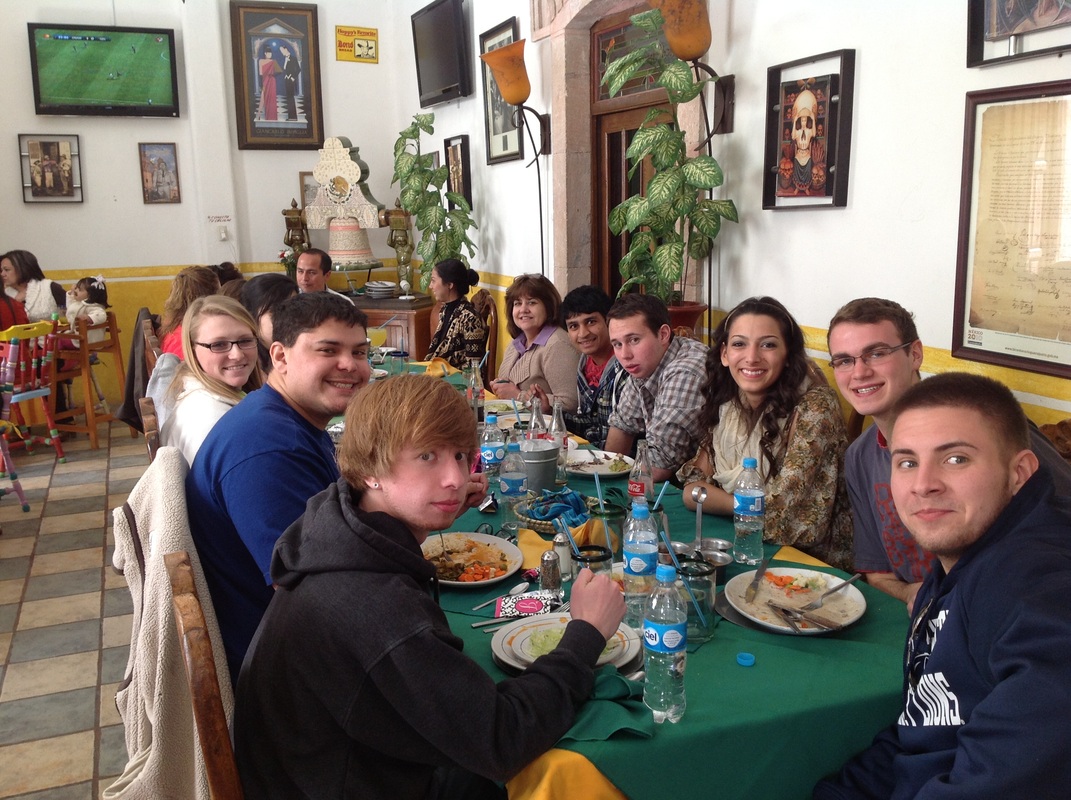
After our tour, we went over with Juan Pablo and his family to have lunch at a local restaurant. As usual, the food was great and Bhavik learned that you can quell the "heat" of the food by eating limes!
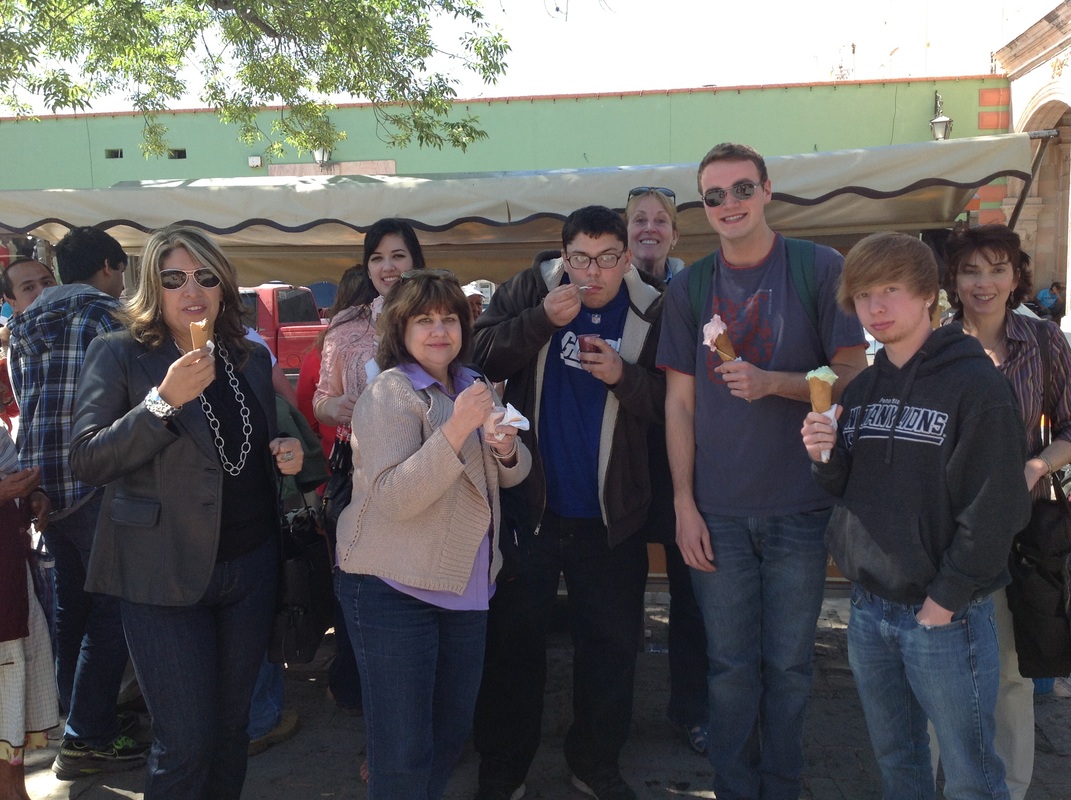
In addition to being known for the birthplace of independence, Delores Hidalgo is also known for its homemade ice cream. After lunch we went to the town square and tasted some of the local favorites, including strawberries and cream, pistachio, beer and tequila ice creams. 
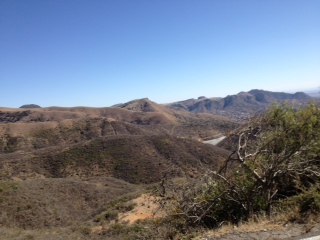
The trip back to the city of Guanajuato was beautiful as were the views.
We had a short respite once we got back to the hotel and then we went into town to visit the shops and have dinner. Becky got the prize for ordering the most unusual "cappuccino."
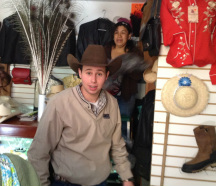
Our day in Delores Hidalgo was educational as well as rewarding. Even Ezra found the cowboy hat he was looking for in one of the stores!
Tomorrow, we begin our work at the University of Guanajuato's Division of Life Sciences at the Irapuato Campus.

Remember to visit the students' blog about the trip at http://mexicoblog2013.wordpress.com/
 
 
Picture
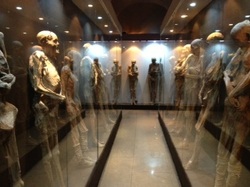
Right out of the blocks we visited the Museo de Momias (Mummy Museum) early in the morning. According to the Museum's website, the mummies are an integral part of the "culture and traditions as a people settled on the slopes of a large ravine that has generously produced the riches of its innards since the age of Spanish vice royalty. In 1865 the first mummified body that lay in the Santa Paula Pantheon was extracted, and as the years go by, other bodies are discovered in the same condition due to the characteristics of the soil in which they rested. At present more than one hundred mummies make up the inventory of the museum created in their honor." 


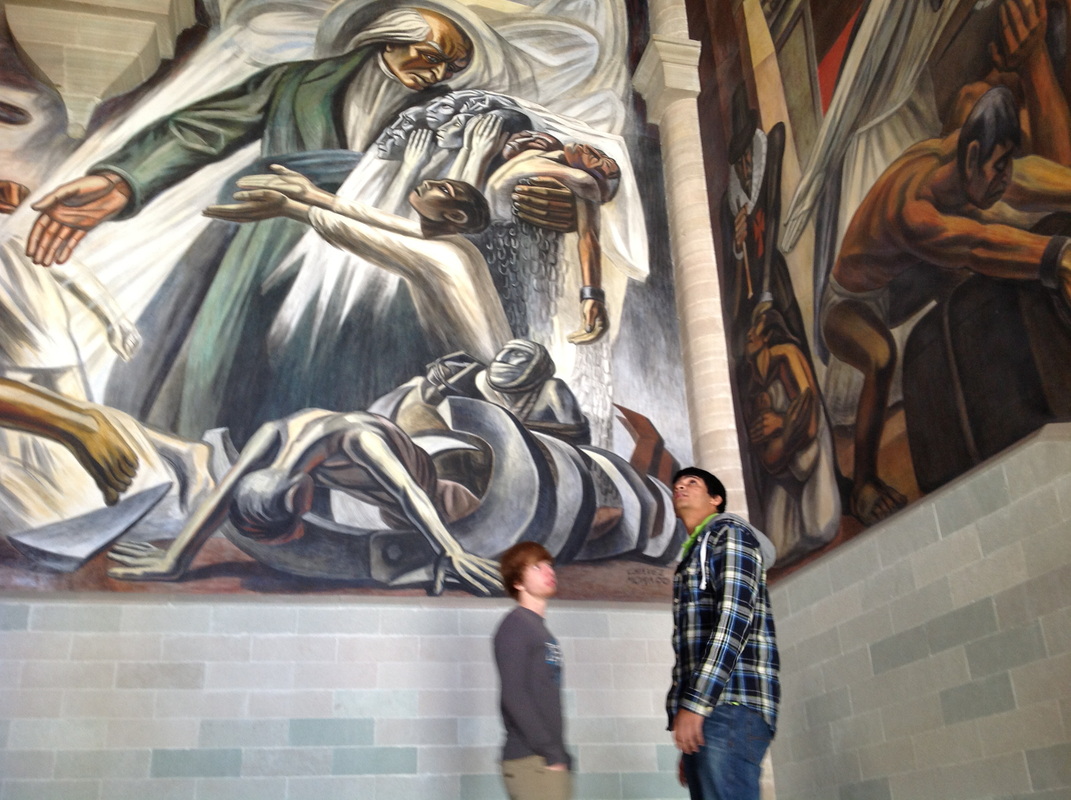
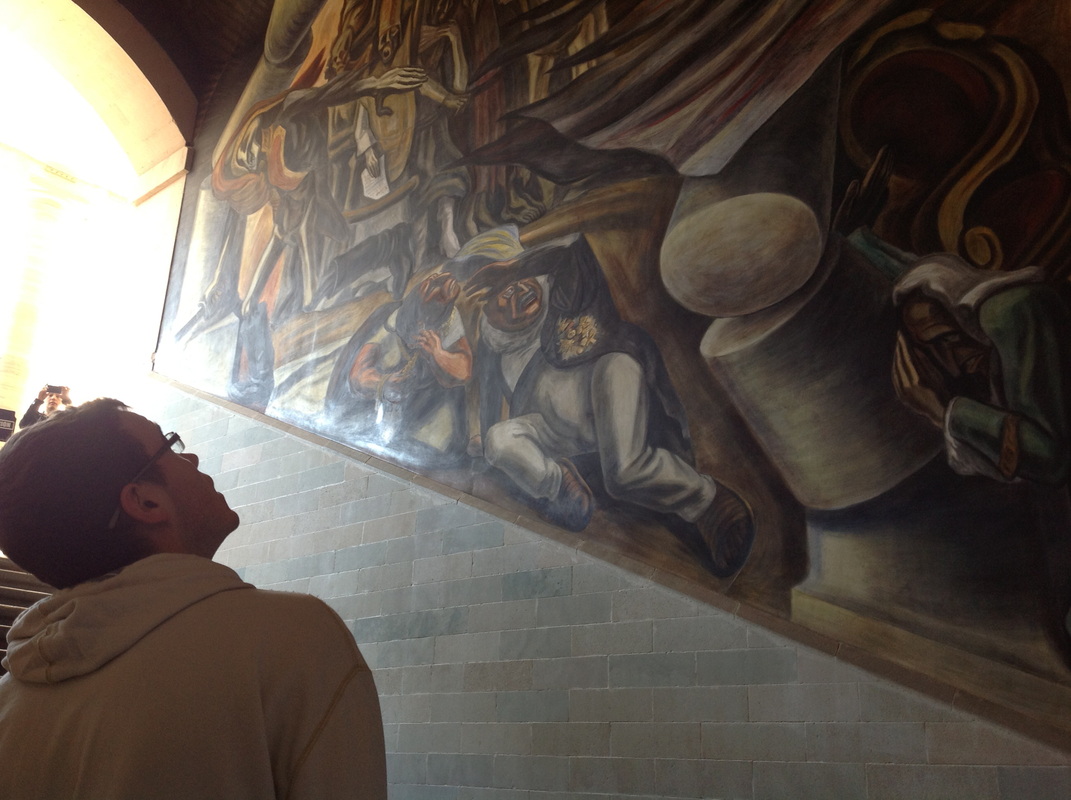
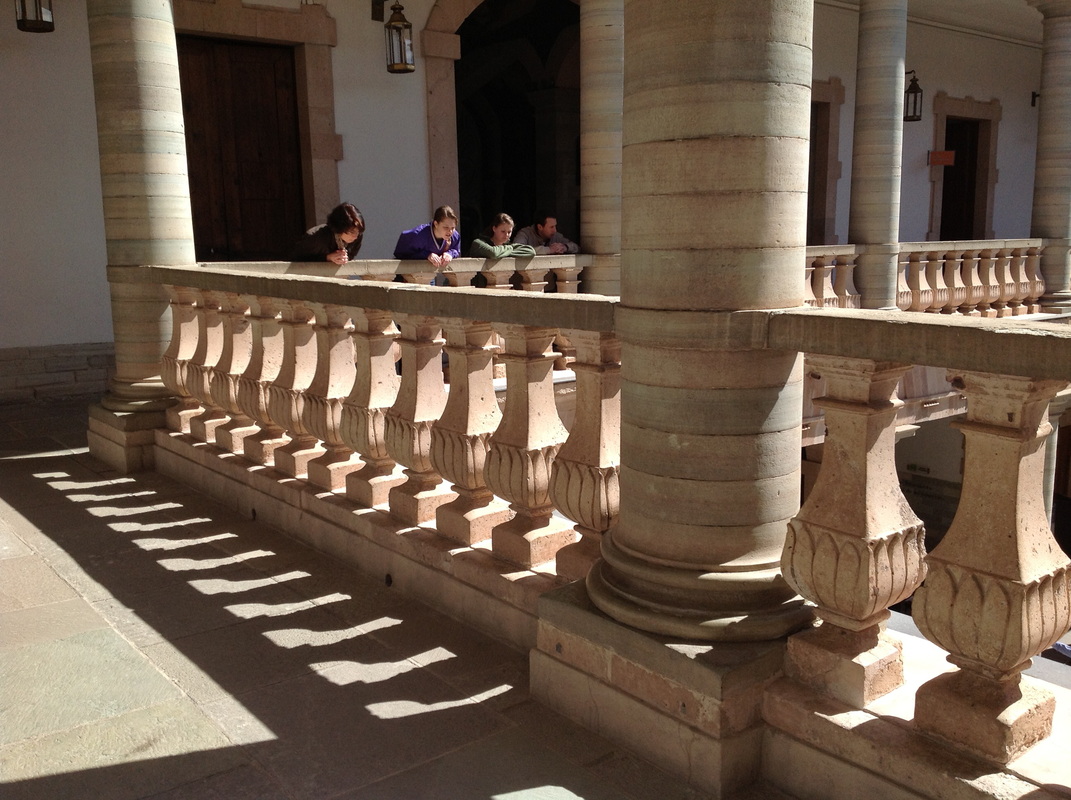
Next Stop: Alhondiga Independence Museum (La Alhóndiga de Granaditas). This was the town granary back in the late 1700s. The Spaniards took refuge here until 1810 when El Pipila and the peasants forced their way in to defeat the Spaniards. The mural at the entrance to the upper level of the museum was painted in 1955 and funded in part by the elementary school children of Mexico. The painting, the "Abolicion de la Esclavidtud," was painted by Jose Chavez Morado, who also donated his pre-Hispanic art collection to the museum.
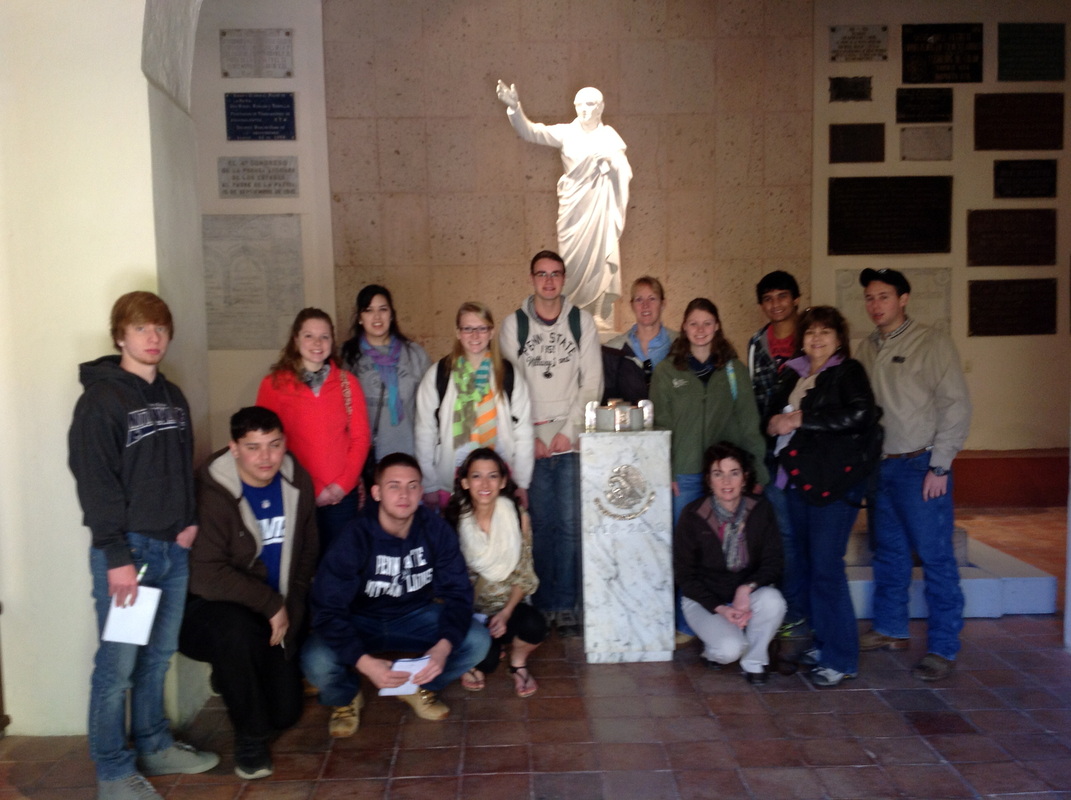
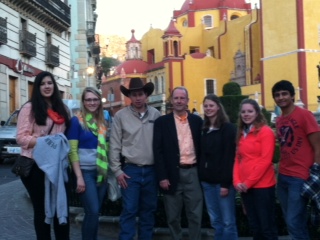
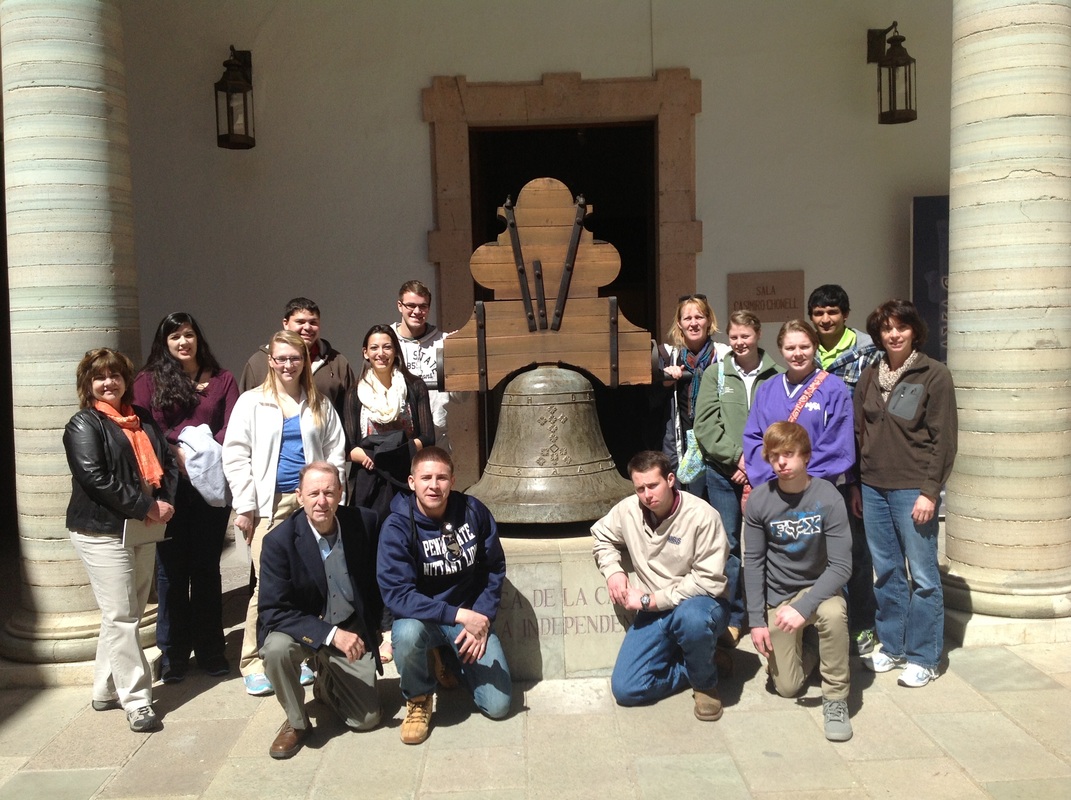
We had our picture taken in front of a replica of the bell that was rung in the town of Dolores (now Dolores Hidalgo, where we are going on Sunday) to rally the peasants to attack the Spaniards and gain back their independence. The ringing of the bell became known as the Hidalgo Grito, or the cry for independence.


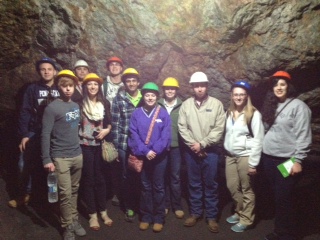
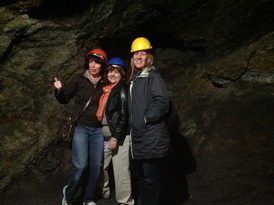
We were back in the vans and then off to the San Ramon Silver Mine just outside of the city of Guanajuato. Silver was one of the main reasons the Spanish came to this area. The mines "were so rich that the city [of Guanjuato] was one of the most influential in the colonial period." Hard hats and all we climbed down into the mine, and after a brief but disconcerting power outage, made our way to the bottom and had our picture taken. El professoras also got in on the excursion and had their pictures taken as well.
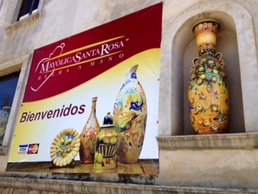
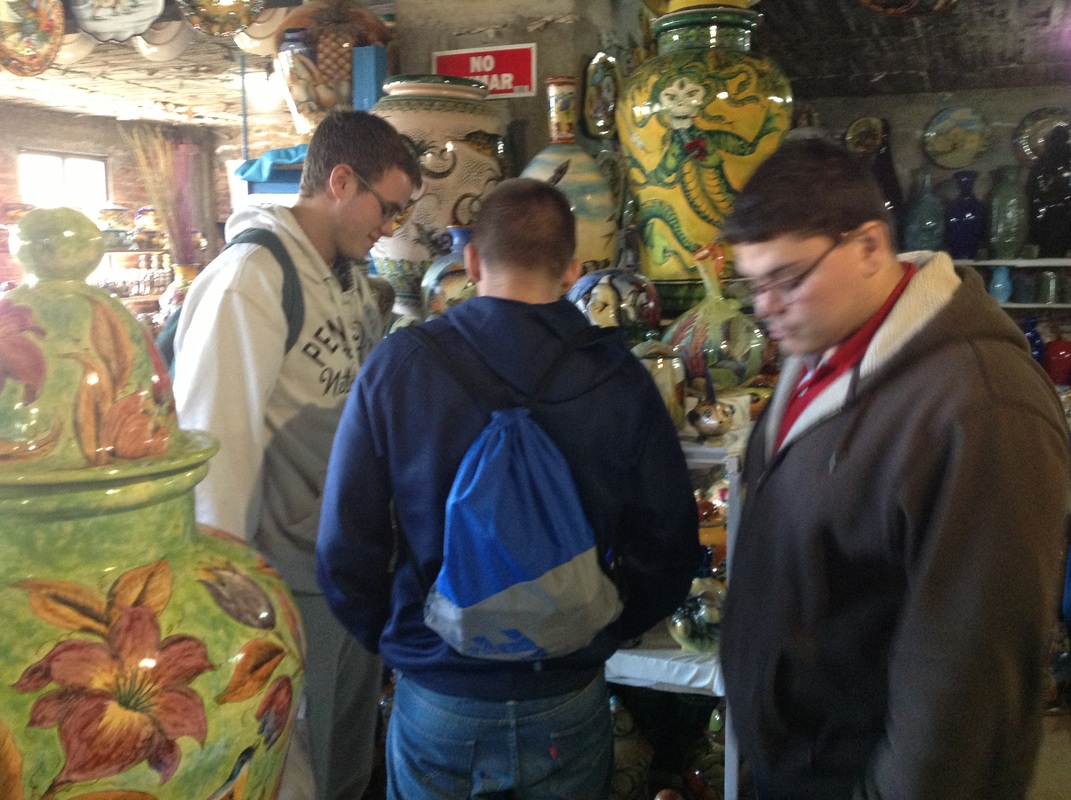
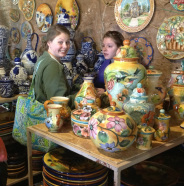
Right down the street from the restaurant is one of the best places to get Majolica pottery-- the Santa Rosa Majolica Factory. Majolica is a tin-glazed pottery from the time of the Renaissance. We managed to contribute mightily to the Mexican economy while there and are looking forward to sharing our finds with friends and family when we return.
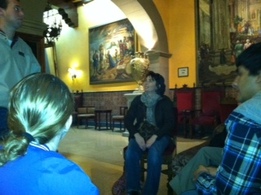
After the factory, we went back to the hotel for a brief respite and then out on the town to explore before having dinner in the garden square. We even managed to catch a wedding on the way! Another good day---tomorrow we will explore Dolores Hidalgo.
Check out the students' blog about the trip at http://mexicoblog2013.wordpress.com/
From the silver mine, we went up the mountain to Santa Rosa where we ate lunch at a beautiful Mexican restaurant that overlooked the city of Guanajuato--the "Restaurante de la Sierra."
 
 
Picture
   We began our day at the University of Guanajuato by visiting with Maestra Valeria Romero who provided us with an overview of Guanajuato as well as the University. The city was founded in the 16th century and is now classified as a World Heritage site. Each year, in October, it holds the world-renown Cervantes Arts Festival.
   The University has five separate campuses distributed throughout the Guanajuato region; there are approximately 30,000 students and has 173 academic programs. Among Mexican institutions with over 1,000 scientific publications, the University has the highest rate of international collaboration.

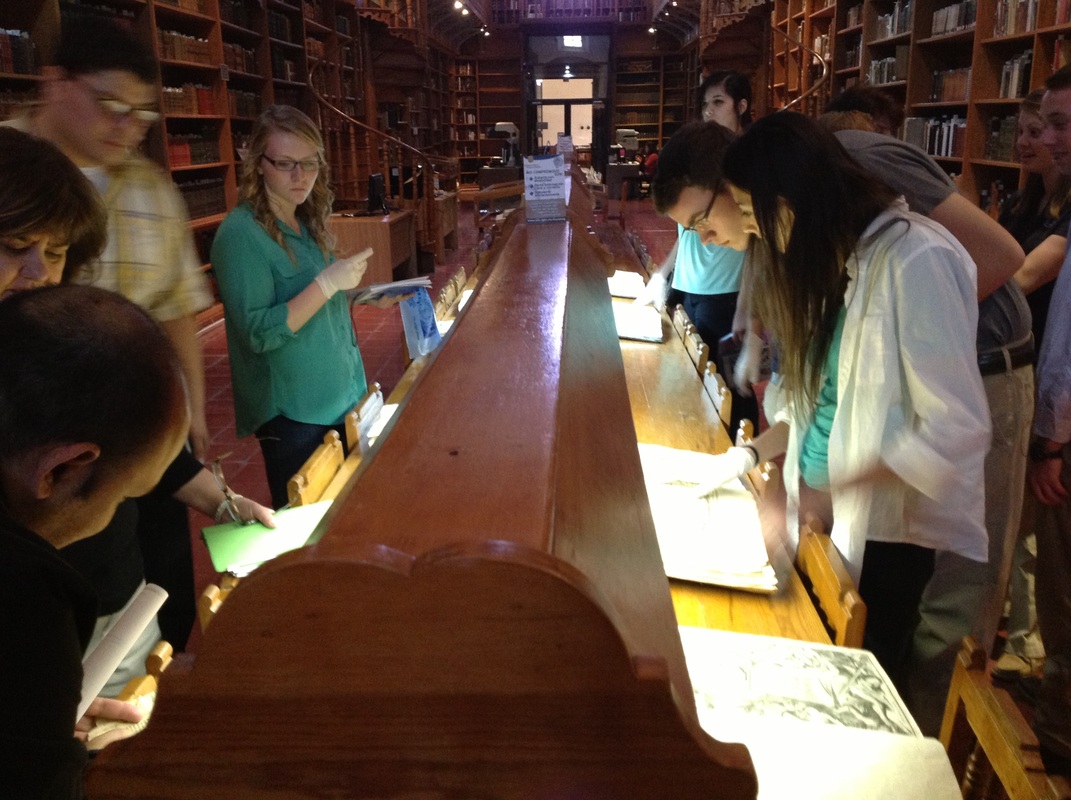
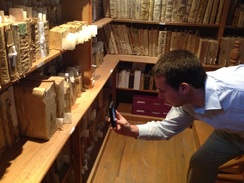
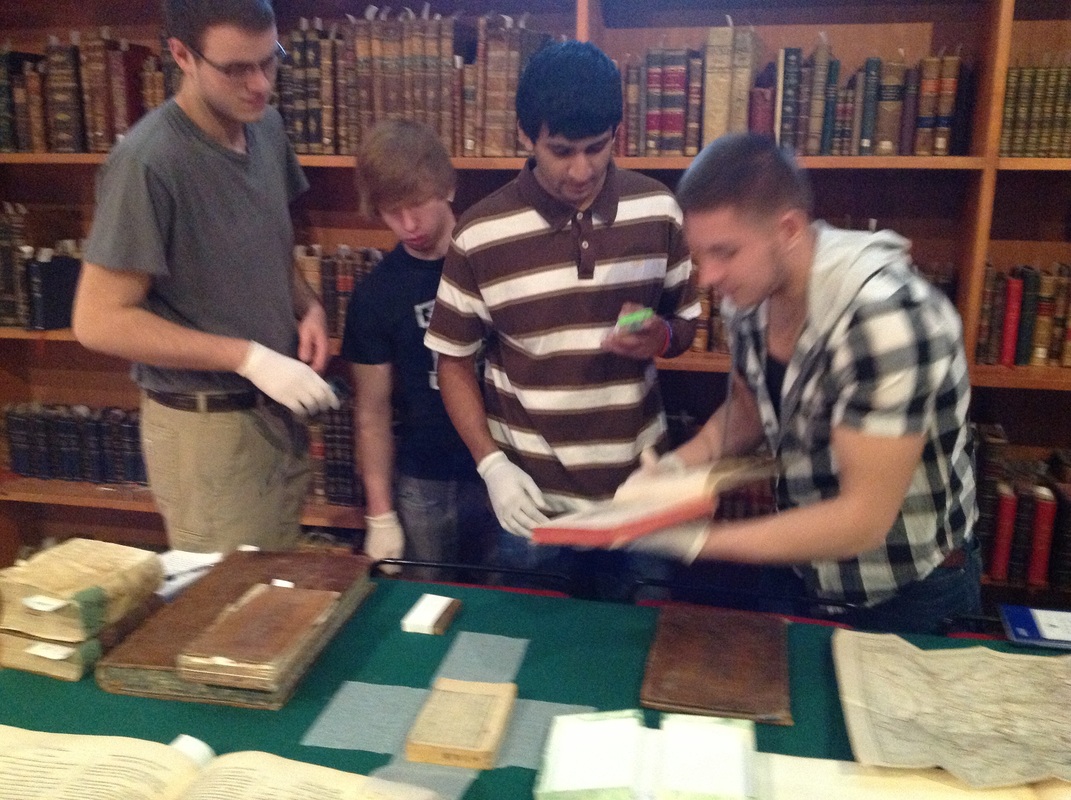
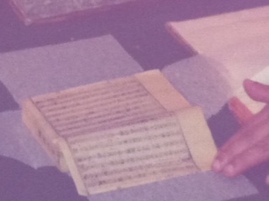
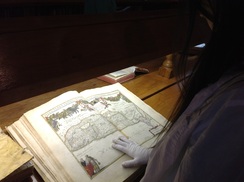
In addition, Bob took us to the library of the University where we were shown (and got to handle) some of the oldest books in region, including the Philosophy of St. Thomas Aquinas printed in 1495 and a bible in Chinese that was printed on rice paper. With our gloves on, we got to explore many of these texts and ask questions about them.
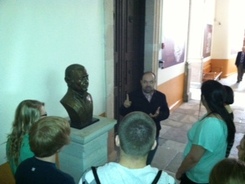
After our introduction, Bob took us on a tour of the University. We had the opportunity to visit the "inner chamber" where their governing body meets on a regular basis to determine the direction of the University (much like our Board of Trustees).
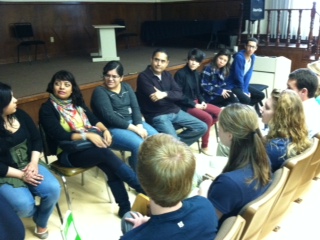
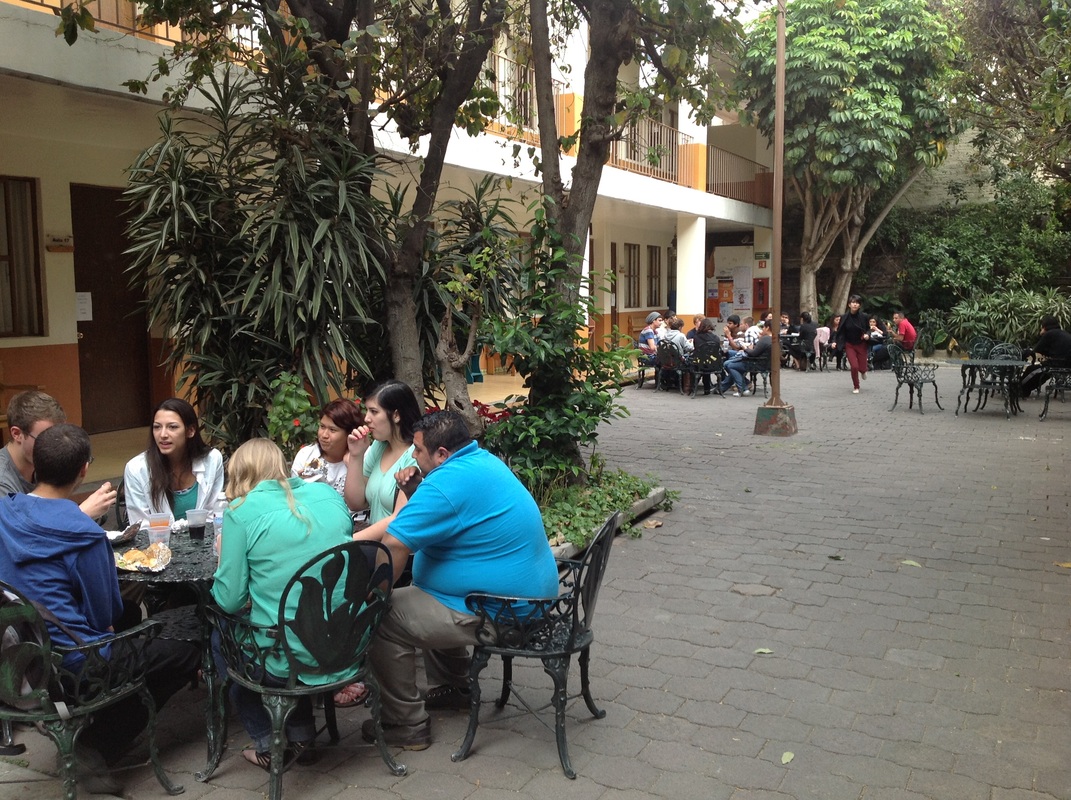
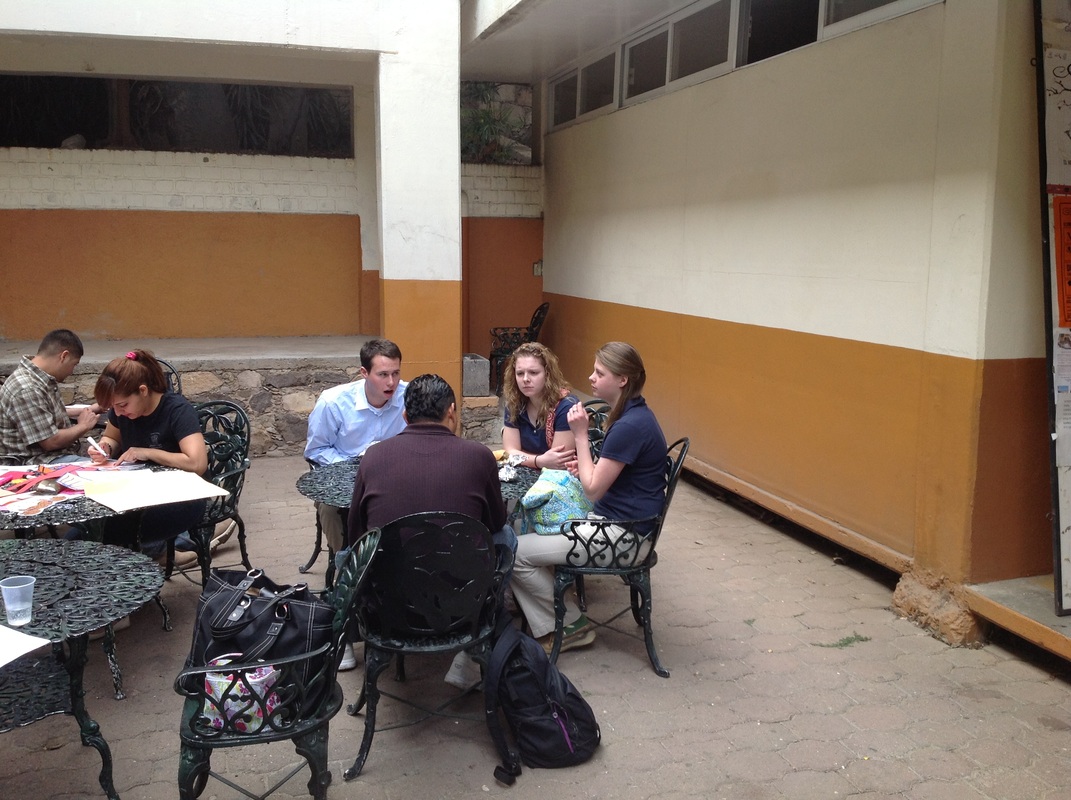
Next, we went back to the University and met with students enrolled in the Language Program, many of them planning on becoming teachers of either English or Spanish. They were wonderful! For two hours, we discussed such issues as life in both countries, perceptions we have based on media and TV, what we do outside of school, etc. It was great to see the University of Guanajuato students speaking in English and Penn State University students using what Spanish they know. Afterwards we shared lunch together out in the courtyard.
After lunch, we spent some time in different classes at the University, and even Melissa, Katie and Gail actually got to participate in the class. Afterwards we headed back to the hotel and Sam provided us with a history of Mexico and its importance to the US as well as some additional information about the Guanajuato region and the University. We went over the itinerary in detail to plan for the rest of the week and then went into town for a tour of the different shops and eventually dinner (we were very hungry after all that walking!!). It was a great first day!
 
 
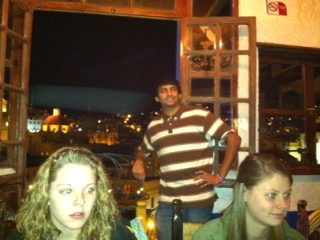
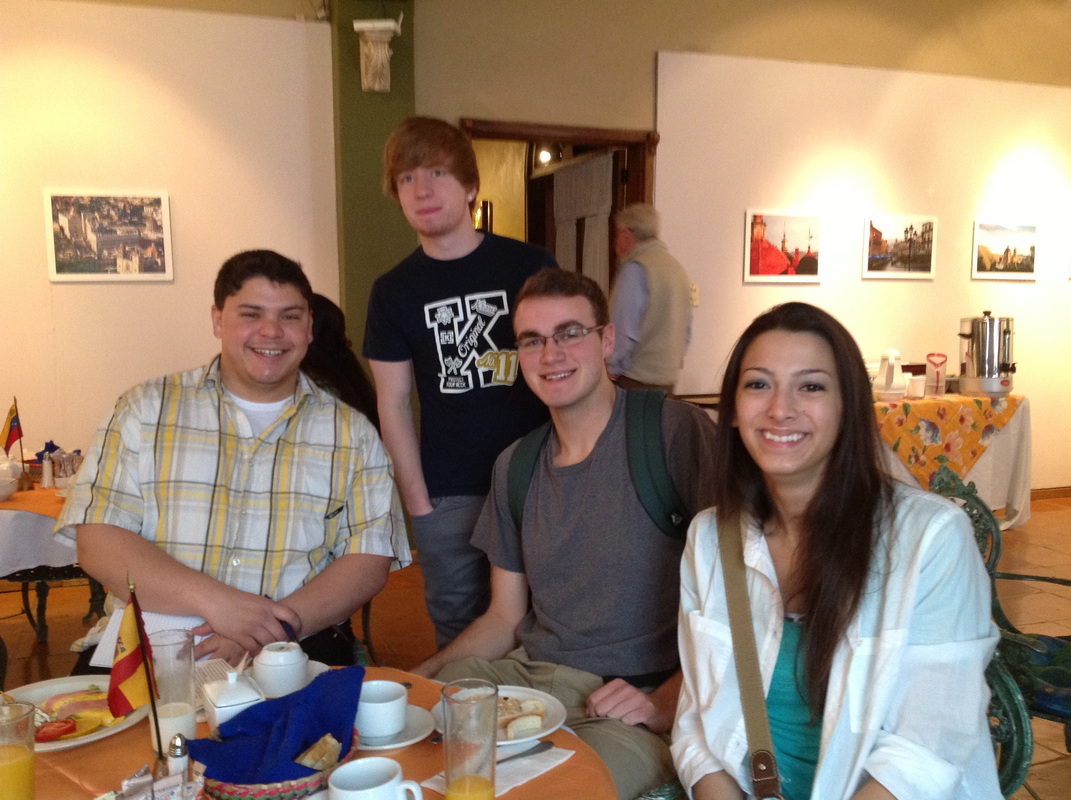
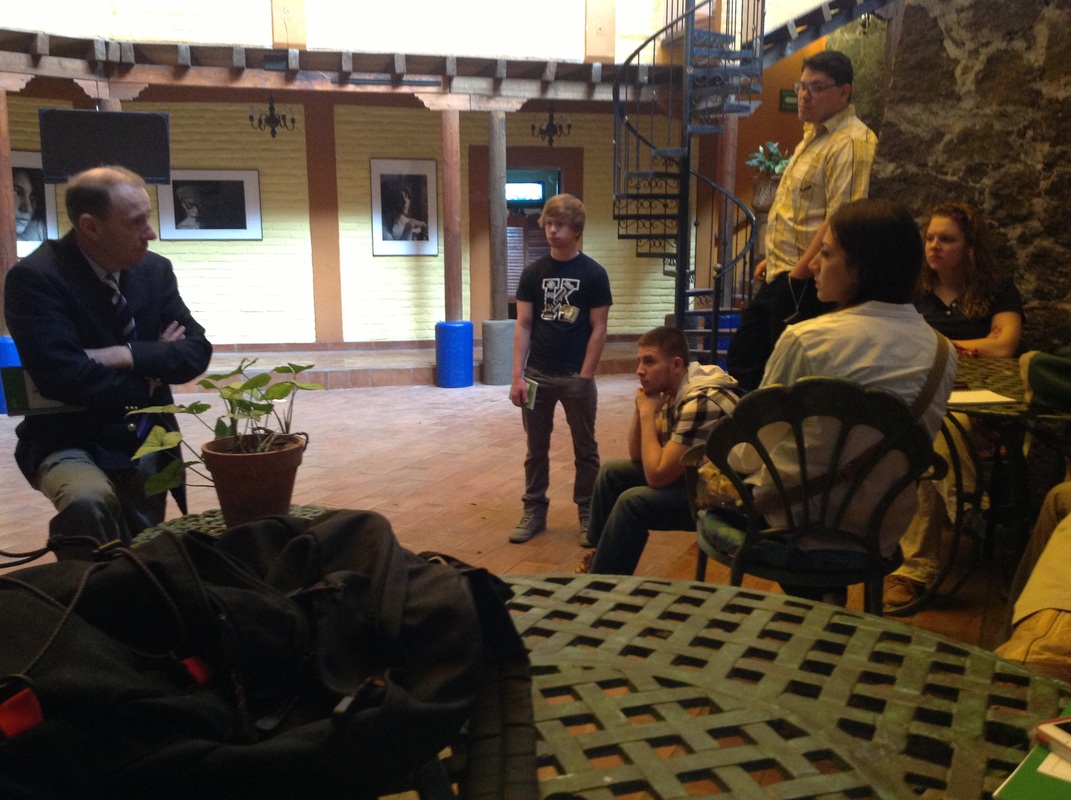
Some photos from breakfast and orientation


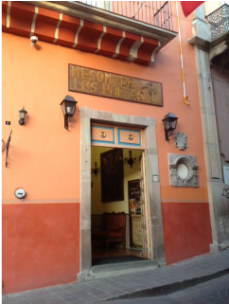
After a long day of travel (some had not slept since Tuesday!), we enjoyed dinner together in Leon before going to El Meson de los Poetas. All of us are now moved into our respective rooms and ready to enjoy our time in the beautiful city of Guanajuato. We start bright and early tomorrow morning with orientation and a visit to the Language Program at the University of Guanajuato.